
The Allure of the Kitchen Test
In an age of life hacks and instant solutions, the idea of a simple test to check for food adulteration is incredibly appealing. Social media and messaging apps are filled with videos showing how to spot fake cumin with just a glass of water or a rub
between the palms. These methods promise peace of mind, empowering home cooks to become kitchen detectives. The logic seems sound: pure ingredients should behave predictably, while fakes and fillers will reveal themselves. The high demand and cost of authentic cumin make it a prime target for adulteration, so the desire for a quick, accessible safety check is understandable for anyone who cares about what they feed their family.
Common Culprits: What's Hiding in Your Cumin?
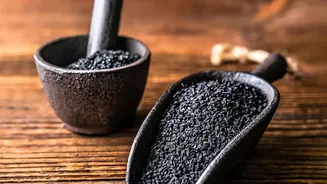
To understand the limits of DIY tests, it helps to know what you are looking for. Adulteration in cumin is primarily done to increase weight and cut costs. Common adulterants in whole cumin seeds include cheaper grass seeds, which are sometimes coloured with charcoal dust to mimic jeera's appearance. In cumin powder, the possibilities are broader. Unscrupulous sellers may mix in sawdust, starch from rice or corn flour, and husk powder. These not only dilute the flavour and nutritional benefits of the spice but can also introduce harmful contaminants into your food, with long-term consumption posing potential health risks like digestive issues.
Why the Popular Water Test Falls Short
One of the most common DIY tests involves dropping a spoonful of cumin seeds or powder into a glass of water. The theory is that pure cumin will sink, while lighter impurities like sawdust or certain grass seeds will float. If the water immediately turns dark, it's seen as a sign of artificial colour or charcoal dust. While this test can sometimes spot crude adulterants, it's far from foolproof. Some adulterants may have a similar density to cumin and sink along with it. Furthermore, pure cumin will naturally release some colour, turning the water a pale yellow-brown over time. So, a slight colour change isn't necessarily a red flag, leading to confusion. This test provides a hint, but not a confirmation.
The Rub Test and Its Ambiguity
Another popular method, even mentioned in materials from the Food Safety and Standards Authority of India (FSSAI), is the palm test. This involves vigorously rubbing a pinch of cumin seeds between your palms. If your hands turn black, it suggests the presence of charcoal dust used to colour grass seeds. This can be effective for detecting this specific type of adulteration. However, it won't identify other common issues. It cannot detect if cumin is mixed with other non-coloured seeds, stone powder, or if cumin powder has been bulked up with starch. A 'clean' rub test might give a false sense of security, as the cumin could still be adulterated in other ways that this method simply cannot detect.
The Invisible Threats DIY Tests Miss
The most significant limitation of any home test is its inability to detect chemical contaminants. A recent FSSAI recall of a popular brand's cumin powder was not due to sawdust or charcoal, but because it contained pesticide residues above the maximum legal limit. No amount of rubbing or soaking in water can reveal the presence of pesticides, heavy metals, or other toxic chemicals. These are invisible threats that can only be identified through proper laboratory testing. Relying solely on a physical DIY test overlooks these potentially more serious health risks.
A Smarter Strategy: Buying with Confidence
Instead of relying on imperfect home tests, the most effective approach is to be a smarter shopper. Favour whole spices over pre-ground powders whenever possible, as it's easier to spot foreign materials like grass seeds visually. Always purchase spices in sealed packages from reputable brands and trusted retailers. Check the packaging for the FSSAI license number, a clear ingredient list, manufacturing date, and expiry date. Be wary of prices that seem too good to be true, as extremely low costs can be a red flag for compromised quality. A strong, characteristic earthy aroma is another sign of authenticity; adulterated cumin often smells weak, stale, or grassy.