








The Ambitious UDAN Promise
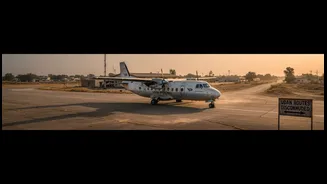
Launched in 2016, the UDAN scheme was a landmark initiative to democratise air travel in India. The goal was twofold: make flying affordable for the masses and enhance connectivity to unserved and underserved Tier-2 and Tier-3 cities. The model was built
on a partnership. Airlines would bid for routes, offering a percentage of seats at a capped fare—initially around ₹2,500 for a one-hour flight—making air travel a reality for millions. In return, they would receive concessions and financial support to bridge the gap between their operating costs and revenue. Since its inception, the scheme has facilitated travel for over 16.6 million passengers and made airports in places like Darbhanga and Jharsuguda operational hubs.
The Cracks Appear: Why Routes Are Failing
Despite its successes, a troubling statistic has emerged: of the 669 routes made operational since 2017, only 336 are currently active. This means nearly 50% of the routes have been discontinued, raising serious questions about the scheme's long-term sustainability. The reasons are a complex mix of economic realities and operational hurdles. Many smaller airlines that took on these routes have either gone bankrupt or significantly curtailed their operations. For others, the routes simply became commercially unviable once the initial three-year subsidy period ended.
The Viability Gap Conundrum
At the heart of the UDAN scheme is Viability Gap Funding (VGF), a government subsidy to make unprofitable routes attractive for airlines. This funding is crucial, as regional routes often suffer from low passenger demand and high operating costs. However, VGF is designed as a temporary support, typically for three years, with the expectation that routes will become self-sufficient over time. The high rate of discontinuation shows this often isn't happening. Airlines struggle to break even, let alone turn a profit, once the subsidy is withdrawn, especially on routes where passenger numbers remain stubbornly low.
An Airline's Uphill Battle
For airlines, the challenges go beyond just low demand. A significant hurdle is the lack of airport readiness and infrastructure. Many airstrips selected for development haven't been upgraded due to regulatory bottlenecks, preventing airlines from starting flights despite having been awarded the route. Another critical issue is the lack of slots at major metropolitan airports like Delhi and Mumbai. Regional carriers argue that to build a sustainable network, they need to connect their smaller destinations to these major hubs, but access is limited. Furthermore, smaller operators face difficulties in securing aircraft, as leasing companies are often cautious about financing them.
Viksit UDAN: A Second Attempt
In response to these challenges, the government recently launched a revamped scheme, dubbed 'Viksit UDAN', in July 2026. This new phase comes with a significantly increased outlay of nearly ₹29,000 crore over ten years. Key changes include extending the subsidy period from three to five years and a massive push for infrastructure, with plans to develop 100 more airstrips and 200 modern helipads. The hope is that a longer support window and better ground facilities will give routes a better chance at becoming self-sustaining. The focus remains on connecting remote and hilly regions and making air travel accessible to millions more.