




What’s Happening to Prices?
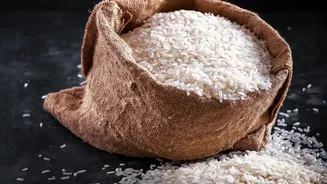
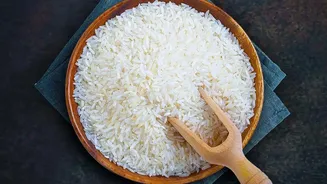
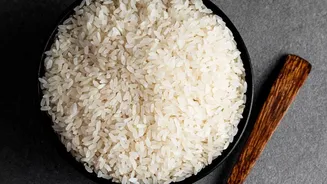
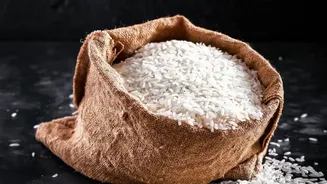
Across India, both basmati and non-basmati rice varieties have become more expensive. Recent reports from September 2026 show prices for some popular types of rice have jumped by 15-25% compared to the previous year. For example, basmati rice used in
biryani has reportedly climbed to around Rs 100 per kg in some markets, up from Rs 85, while everyday varieties like Sona Masoori have also seen significant hikes. This isn't just a minor fluctuation; it’s a noticeable pinch on the household budget for a food item central to Indian meals. This rise comes after a period of relative stability and is driven by a combination of factors both at home and abroad. Traders expect these elevated prices to continue until the new kharif crop arrives in markets around October and November.
The 'Conflict' Factor: How Wars Affect Your Plate
It may seem strange that a conflict far away could raise food prices in India, but the global economy is deeply interconnected. The ongoing tensions in West Asia, particularly involving Iran, have prompted many countries, especially in the Gulf region, to start stockpiling essential foods like rice. This sudden surge in global demand puts pressure on major suppliers like India. When more countries rush to buy, it creates competition and drives up prices for everyone. Furthermore, conflicts disrupt crucial supply chains. They can increase the cost of fuel for transportation and also affect the price and availability of fertilisers, which are essential for growing crops. While India has strong food reserves, these global ripple effects eventually reach the domestic market, contributing to the price you pay.
Domestic Issues: Rains, Rules, and Reserves
Global events are only part of the story. Back home, several factors are at play. A weaker-than-normal monsoon in some key rice-producing southern states like Andhra Pradesh, Karnataka, and Telangana has raised concerns about the size of the upcoming harvest. Less rainfall can mean lower crop yields, which tightens supply. Government policy also plays a huge role. To control rising domestic prices and ensure enough rice is available for everyone in India, the government has, at times, restricted exports of certain rice varieties. While these bans aim to keep prices in check for Indian consumers, they create complex dynamics. The government also buys large amounts of rice for its public distribution system (PDS), which adds to the overall demand within the country and can contribute to price firmness.
The Government's Balancing Act
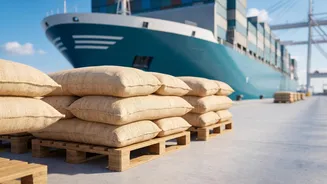
The government is walking a tightrope. On one hand, it needs to ensure that the 1.4 billion people in India have access to affordable food, which is why it sometimes curbs exports to boost domestic supply. On the other hand, India is the world's largest rice exporter, and these exports are a significant source of income for farmers and the country. Policies like setting a Minimum Support Price (MSP) for paddy aim to give farmers a fair price for their produce, but this can also set a higher base price for rice in the market. These decisions involve balancing the needs of consumers, the livelihoods of farmers, and India's position in the global market. Measures to manage exports and domestic stocks are constantly being adjusted based on crop forecasts, inflation trends, and international demand.
What to Expect in the Coming Months
For the immediate future, consumers will likely have to contend with higher rice prices. Relief is expected to come only when the fresh kharif (monsoon) crop begins to arrive in markets in October and November, which should increase supply and ease some of the pressure. However, the final outcome will depend on several factors: the actual performance of the monsoon across the country, how global conflicts evolve, and any further policy changes from the government. While India has substantial rice stocks that provide a cushion against severe shortages, the combination of strong international demand and domestic supply concerns means that the era of very cheap rice may be on hold for a while. Watching the monsoon's progress and government announcements will be key to understanding where prices are headed next.