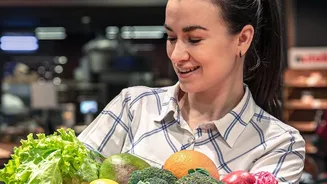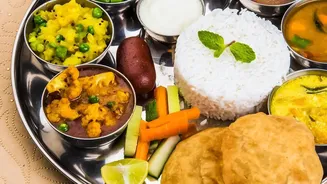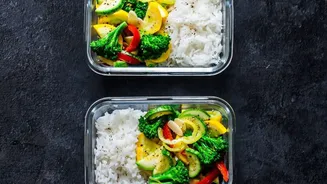



The Direct Cost: Groceries vs. The Box
At first glance, meal kits almost always seem more expensive than buying groceries. A typical home-cooked meal in India might cost between ₹60 and ₹100. In contrast, ready-to-cook or heat-and-eat meals can range from ₹150 for a single portion of rajma
or dal makhni to over ₹1,000 for multi-person 'banquet' boxes. However, this direct comparison isn't the full story. When you cook from scratch, there are hidden costs: that half-bunch of coriander that wilts in the fridge, the expensive jar of spice you use only once, or the extra vegetables you bought just in case. Meal kits eliminate this by providing pre-portioned ingredients, which means you pay for exactly what you need for one recipe.
The Value of Your Time and Energy
What is the real cost of 'what should I make for dinner?' For many busy urban professionals and dual-income households, the biggest benefit of a meal kit isn't just the food—it's the time and mental energy saved. Meal kits cut out the daily grind of planning, shopping, chopping, and measuring. If you spend an hour or more each day on these tasks, a meal kit effectively buys that time back. For those working long hours or living alone, this convenience can be more valuable than the monetary savings of cooking from scratch, and certainly a healthier and often cheaper alternative to ordering from Swiggy or Zomato every night.
Fighting Food Waste, One Kit at a Time
Food waste is a significant, often invisible, household expense. Studies show that households waste a substantial amount of the food they buy. Meal kits tackle this problem directly. Because every ingredient is pre-measured, from the exact amount of spice to the right number of vegetables, almost nothing goes to waste. This efficiency is not just good for your wallet in the long run; it's also better for the environment. While the packaging is a valid concern, several studies have found that due to the drastic reduction in food waste, meal kits can have a lower overall carbon footprint than traditional grocery shopping for the same meal.
The Culinary Adventure Factor
Are you stuck in a cooking rut, making the same five dishes on rotation? Meal kits offer a low-risk way to explore new cuisines and recipes. Brands are offering everything from DIY Japanese sushi and Mexican tacos to regional Indian delicacies. For someone wanting to try a new dish, buying full-sized packs of unfamiliar ingredients can be a wasteful investment if you don't end up liking it. A meal kit provides a passport to new flavours without the commitment of stocking your entire pantry. It's a guided cooking class in a box, which can be perfect for novice cooks or anyone looking to broaden their culinary horizons.
Health, Nutrition, and Special Diets
Meal kits can be a powerful tool for health-conscious individuals. Many services cater to specific dietary needs, such as vegetarian, high-protein, or gluten-free options, taking the guesswork out of meal planning. The portion control inherent in these kits is another major advantage for those looking to manage their intake without painstakingly weighing ingredients. For people living alone who struggle to cook balanced vegetarian meals or hit protein targets, a curated kit can solve a major daily challenge. It offers structure and control over what you're consuming, which is often difficult to achieve with takeaways or impromptu cooking.
The Downside: Packaging and Flexibility
The most visible drawback of meal kits is the packaging. The convenience of pre-portioned items often comes at the cost of multiple small plastic bags, containers, and cardboard. While some companies use recyclable materials, the sheer volume of packaging can be a significant concern for environmentally conscious consumers. Another factor is flexibility. You can’t easily swap out an ingredient you dislike, and you're tied to the subscription or delivery schedule. In the Indian market, where labour is relatively inexpensive and a local 'tiffin' service is a common alternative, the 'premium' pricing of many kits remains a major hurdle for widespread adoption.