



The Heart of the Claim
A recent Oxfam report, published ahead of the COP31 climate talks, highlights a troubling financial loop. It finds that the world’s super-rich are disproportionately driving climate breakdown through their investments in polluting industries. The core
of the analysis reveals that the wealthiest 0.1% of the global population — a group of about 8 million people — are responsible for more carbon emissions than the poorest 3.5 billion combined. This isn't just about lavish lifestyles; between 50% and 70% of these emissions come from their investments. According to the research, just 125 of the world's richest billionaires emit an average of 3 million tonnes of carbon a year through their investments, over a million times more than the average person in the bottom 90% of humanity.
The 'Destroy and Rebuild' Loop
Oxfam identifies what it calls a 'double dividend' for these investors. First, they profit from shareholdings in industries that are the primary drivers of global heating, such as fossil fuels, cement, and chemicals. These sectors remain profitable, and investors reap the rewards through dividends and rising share values. Second, they are also cashing in on the consequences. Oxfam's 'Destroy and Rebuild Index' shows that many are also heavily invested in the booming 'adaptation economy'—companies involved in disaster preparedness, recovery, and reconstruction. This disaster recovery market is projected to grow substantially, from $70 billion to $92 billion a year by 2029. This creates a perverse incentive where investors benefit from both the cause and the effect of climate chaos, potentially delaying meaningful action to solve the problem.
Following the Financial Flows
The report names major asset managers as key players in this cycle. Two of the world's largest, BlackRock and Vanguard, are invested in 92% of the corporations in Oxfam's index, with their total investments in these companies exceeding $1 trillion. These financial giants hold significant stakes across sectors, from the fossil fuel companies driving emissions to the firms that profit from disaster recovery. Oxfam's analysis points out that billionaire investments in polluting industries like fossil fuels are double the average for the S&P 500, a broad market index. This concentration of capital in high-carbon sectors demonstrates a systemic alignment of finance with activities that undermine global climate goals.
The Human Cost of Carbon Inequality
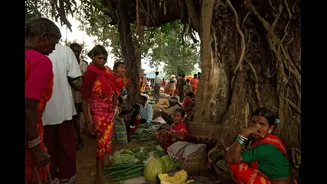
The consequences of this financial activity are not evenly distributed. Oxfam's report draws a direct line from the emissions of the super-rich to tangible human suffering. It estimates that just one year of emissions from the richest 1% will cause 1.9 million excess heat-related deaths. Crucially, 78% of these deaths are projected to occur in low- and lower-middle-income countries, which are the least responsible for the crisis. While the world’s wealthiest can use their resources to shield themselves by moving to safer locations or hiring private services, the world's poorest face displacement, crop failure, and loss of life. Oxfam frames this not as a shared global tragedy, but as a 'crime of extreme inequality'.
A Call for Systemic Change
In response to its findings, Oxfam is calling for sweeping government action. The recommendations focus on breaking the link between wealth and pollution. Proposed measures include implementing permanent wealth and income taxes, a permanent tax on fossil fuel corporations, and punitive taxes on high-emitting luxury items like private jets. The goal is twofold: to curb the excessive emissions of the wealthy and to raise funds for climate action. Oxfam also urges governments to regulate investors and corporations more strictly, compelling them to cut emissions and putting sustainability ahead of shareholder returns. The report argues that without tackling the economic incentives that reward pollution, the world cannot avoid climate breakdown.