




The Undeniable Benefits of Shadow Boxing
At its core, shadow boxing is the art of fighting an imaginary opponent. But beyond its combat sport origins, it stands as a formidable workout on its own. One of its greatest advantages is its accessibility; you need no gloves, bags, or partners—just
space to move. This simple exercise provides a potent mix of cardiovascular conditioning and muscular endurance. The constant movement, from footwork to punches, elevates your heart rate, making it an excellent cardio session that can be tailored for high-intensity intervals or steady-state training. Every punch engages your core, shoulders, back, and legs, providing a true full-body workout. It also significantly enhances coordination, balance, and motor control as you learn to move your body as a single, fluid unit.
Getting Started: The Beginner Level
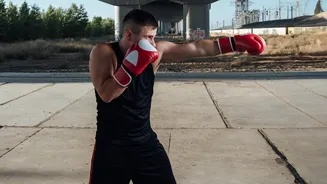
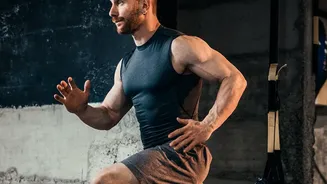
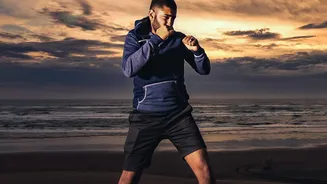
For those new to shadow boxing, the primary goal is mastering the fundamentals with control and precision. Don't worry about speed or power. Instead, focus entirely on your form. Start in a proper boxing stance: feet shoulder-width apart, knees slightly bent, and your non-dominant foot forward. Keep your fists up to protect your face and your elbows tucked in. Begin by practicing the four basic punches: the jab, cross, hook, and uppercut. A jab is a quick punch with your lead hand, while a cross is thrown with your rear hand, rotating your torso for power. Perform these movements slowly, perhaps in front of a mirror, to ensure your technique is correct. A simple beginner workout could consist of three-minute rounds focusing on single punches and basic one-two (jab-cross) combinations, with a minute of rest in between. Constant, gentle footwork—moving forward, backward, and side-to-side—is just as important as the punches.
Stepping It Up: The Intermediate Level
Once you're comfortable with the basics and can maintain good form, it's time to increase the complexity and intensity. Intermediate shadow boxing introduces more dynamic movement and longer combinations. Start stringing together three or four punches, like a jab-cross-hook. Focus on making the movements fluid, allowing the rotation from one punch to fuel the next. This is also the stage to incorporate defensive maneuvers. Practice slipping imaginary punches by bending at the knees and moving your head side-to-side. Add in bobs and weaves, ducking under hooks while keeping your eyes up. Your footwork should become more intentional. Instead of simple steps, practice pivoting and creating angles as if you were moving around a real opponent. Increase the pace of your rounds and reduce rest times to challenge your cardiovascular endurance further.
Mastering the Craft: The Advanced Level
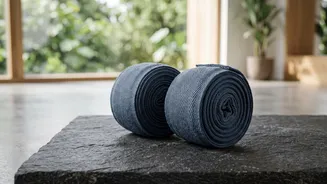
Advanced shadow boxing is about adding resistance, strategy, and mental focus. One of the most effective ways to increase the difficulty is by using light weights, such as 1-2 kg dumbbells. Holding weights while you punch builds shoulder endurance and hand speed, as your hands will feel significantly faster once you put the weights down. However, it's crucial to use light weights to avoid injury and maintain proper form. You can also incorporate resistance bands around your back or ankles to make your movements more explosive. At this level, visualization becomes key. Don't just throw punches; imagine a specific type of opponent. Are they aggressive? A counter-puncher? React to their imagined movements, cutting off the ring, countering their attacks, and setting up your own combinations. This mental drill turns a physical workout into a tactical practice, sharpening your mind as much as your body.