




The Ultimate Unstructured Challenge
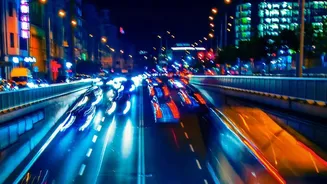
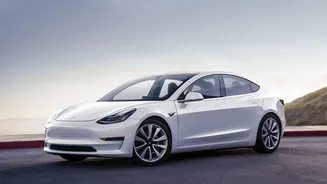
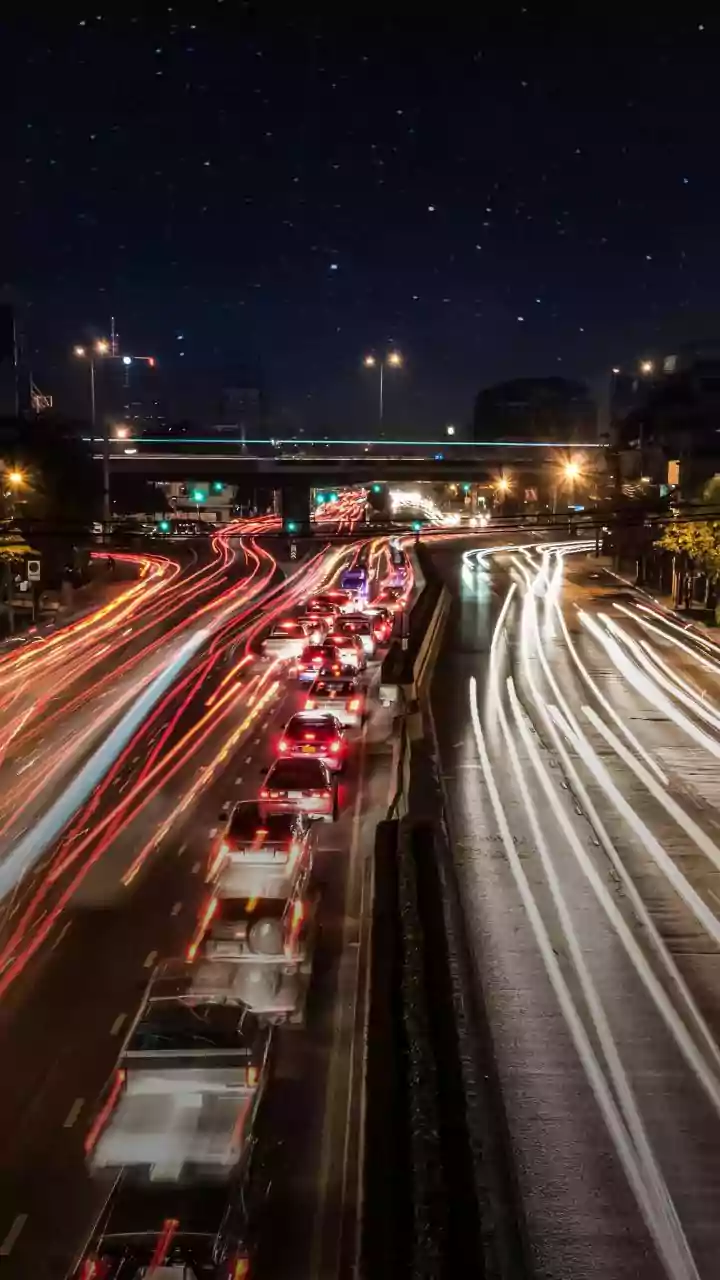
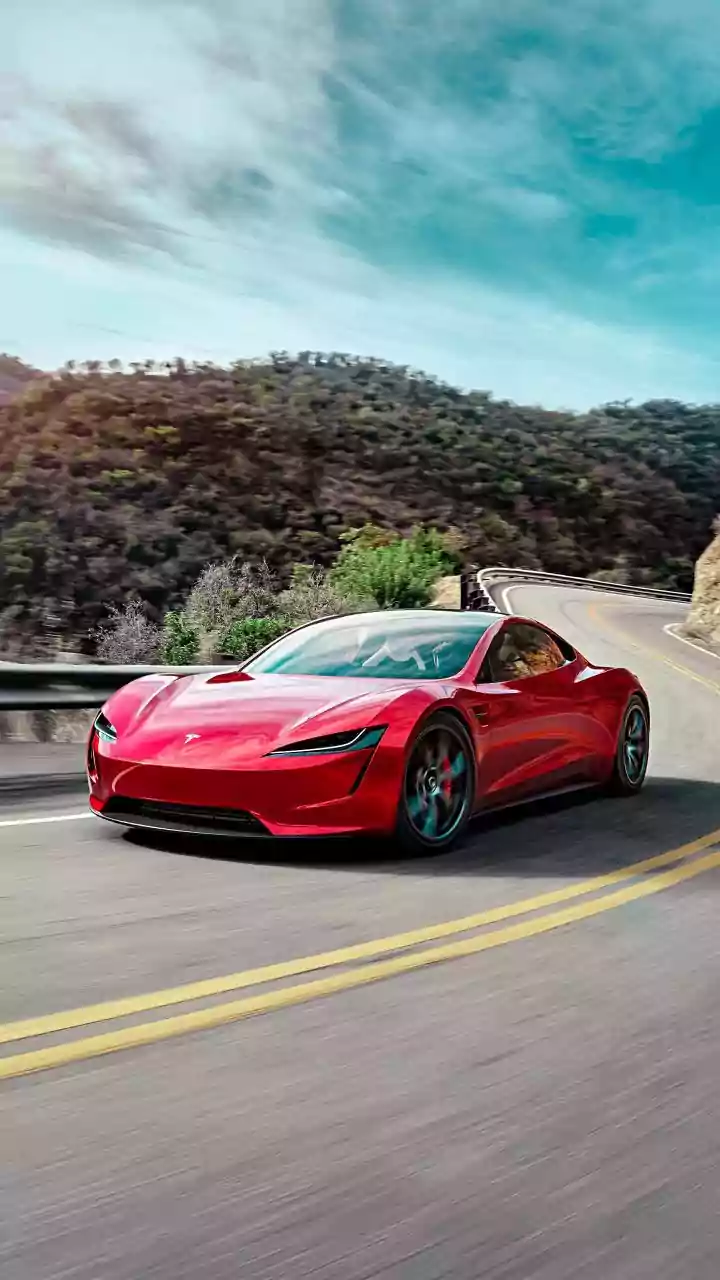
Recent viral videos show a Tesla Model Y navigating the dense traffic of Gurugram, its central display lighting up like a frantic video game. The screen, which visualises what the car’s cameras see, struggles to render the sheer volume of vehicles, pedestrians,
and auto-rickshaws weaving through non-existent lanes. Online commentators joked that the AI was getting a "desi reality check." While the display doesn't prove the system failed, it vividly illustrates the monumental challenge Indian roads present. Unlike the orderly traffic patterns its neural networks were primarily trained on, Gurugram offers what engineers call 'edge cases' as a baseline: unpredictable vehicle movements, a mix of modern cars and traditional carts, and a general disregard for lane markings that are often faded or absent anyway. If an autonomous system can master this environment, it can arguably succeed anywhere.
Why Tesla's 'Vision-Only' Approach Is Tested
Most companies developing autonomous technology use a combination of cameras, radar, and LiDAR (Light Detection and Ranging), which uses lasers to create a detailed 3D map of the surroundings. Tesla, however, has famously adopted a 'vision-only' approach, arguing that eight cameras and a powerful neural network can replicate human sight and intelligence. This makes the Gurugram test particularly fascinating. The system must not only see but also interpret and predict the intentions of uniquely Indian road users. How does it classify an auto-rickshaw that signals a right turn but swerves left? How does it differentiate a stationary cow from a temporary, immovable obstacle? These are not just technological hurdles but cultural ones, requiring the AI to learn a new, unwritten set of road rules. Critics of the vision-only system point out that cameras can struggle with depth perception and in adverse weather like heavy monsoons or smog, conditions where LiDAR might offer more reliable data.
Chaos as a Data Goldmine
While the chaotic scenes look daunting, for a machine-learning system, this is invaluable data. Every unpredictable swerve and sudden stop is a new piece of information that can be used to train and improve the autonomous driving software. The footage shows the system's visualization is active, identifying and tracking the dense movement of objects with surprising accuracy, even if the on-screen rendering appears cluttered. Though full self-driving features remain disabled in India due to regulatory hurdles, these real-world encounters are crucial for teaching the AI. For Tesla, the goal is to feed its global neural network with this complex data, making the entire fleet smarter. Enthusiasts believe that if Tesla's software can eventually be trained to handle Indian conditions, it would represent a massive leap forward, proving its adaptability for global deployment.
The Long Road to Autonomy in India
The Gurugram experiment highlights the significant gap between current technology and the dream of fully autonomous cars on Indian roads. The challenges are not just technological. India's legal framework, based on the Motor Vehicles Act of 1988, does not yet account for autonomous vehicles or address critical issues like liability in case of an accident. Furthermore, there is public skepticism and concern over potential job losses in the transport sector. Experts believe India's path to autonomy will be a phased one. The immediate future likely involves an increase in Advanced Driver-Assistance Systems (ADAS) like automatic emergency braking and lane-keeping assist, rather than full self-driving. These semi-autonomous features can dramatically improve road safety while keeping a human in control, serving as a practical bridge to a driverless future.