



A Once-in-a-Generation Spectacle
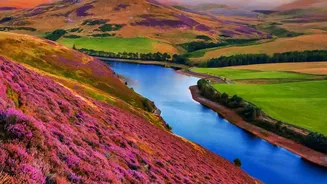
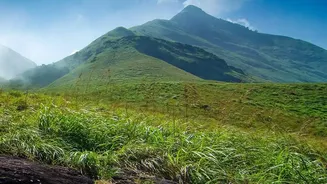
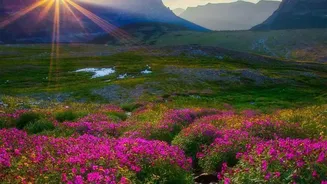
The Neelakurinji, or Strobilanthes kunthiana, is a shrub found in the shola grasslands of the Western Ghats. What makes it extraordinary is its synchronised blooming cycle. For 11 years, the plant grows, and in the 12th, it bursts into a sea of colour
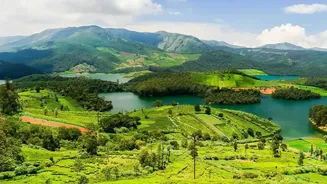
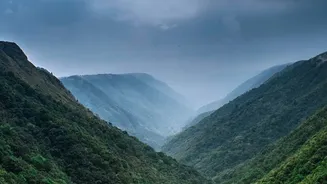
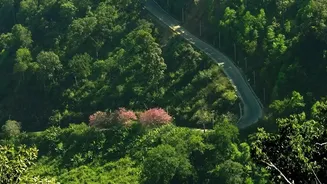
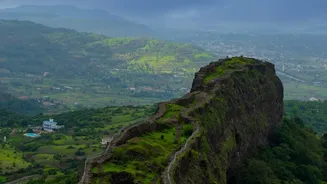
that blankets entire hillsides, a phenomenon that gives the Nilgiri Hills (Blue Mountains) their name. This rare event, expected again in the hills around Munnar between August and October 2026, draws nature lovers from across the globe to witness a fleeting natural wonder. After flowering and releasing its seeds, the plant dies, and the 12-year clock starts all over again.
A Protected Natural Treasure
This flower is more than just a pretty sight; it is a critical part of a fragile ecosystem. Its nectar is vital for local bee populations, and the plant helps prevent soil erosion on the steep grasslands. Recognizing its importance and the threats it faces from habitat loss and destructive tourism, the government has taken firm steps. The Ministry of Environment, Forest and Climate Change has listed Neelakurinji under Schedule III of the Wildlife (Protection) Act, 1972. This officially designates it as a protected plant, making its preservation a national priority.
The High Cost of a Souvenir
The temptation to pluck a single flower as a keepsake can be strong, but the consequences are severe. Under the Wildlife (Protection) Act, anyone who uproots or destroys a Neelakurinji plant faces a fine of ₹25,000 and imprisonment for up to three years. Possession and cultivation of the plant are also illegal. Forest Department officials, police, and volunteers maintain a strict watch during the blooming season, and authorities have made it clear that these rules will be enforced. The logic is simple: for the plant to propagate, the flowers must be allowed to wilt and seed naturally. Plucking them disrupts the life cycle and threatens future blooms.
How to Be a Responsible Visitor
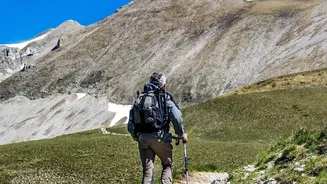
Enjoying the Neelakurinji bloom responsibly ensures that this natural marvel continues for generations to come. The most important rule is to take only pictures and leave only footprints. Visitors are urged not to pluck any flowers or plants. Trying to grow them at home is a futile effort anyway, as the species only thrives at high altitudes above 1,500 metres in its specific shola habitat. Authorities also enforce other rules to protect the delicate environment, such as prohibiting plastics in the blooming areas and requiring visitors to stick to designated trails. In some areas, access may be restricted to protect visitors from wild animal movement, such as elephants that share the habitat.