




A Landscape of Family Sagas
To understand the risk, you have to remember the television of the year 2000. The airwaves were dominated by the 'K-serials' from Balaji Telefilms. Shows like Kyunki Saas Bhi Kabhi Bahu Thi and Kahaani Ghar Ghar Kii had a stranglehold on prime time, making
family dramas the undisputed king of TV. The formula was set: intricate family plots, dramatic face-offs, and emotional storylines that kept audiences hooked night after night. In this environment, the idea of placing a quiet, cerebral quiz show in a 9 PM slot seemed like commercial suicide. The industry consensus was clear: non-fiction couldn't compete with the high drama of daily soaps.
Star TV's Audacious Bet
Despite the dominance of family dramas, Star Plus was struggling financially and needed a game-changer. Sameer Nair, then the programming head, spearheaded the audacious plan: to license the wildly successful British show Who Wants to Be a Millionaire? and adapt it for an Indian audience. The plan wasn't just to air a new show; it was to mount a production that was, by some estimates, ten times more expensive than any other program on Indian television at the time. Sticking true to the original's grand set and dramatic lighting, the team took a massive financial risk, betting that Indian viewers were ready for a different kind of appointment viewing.
A Superstar in Need of a Comeback
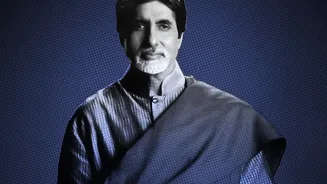
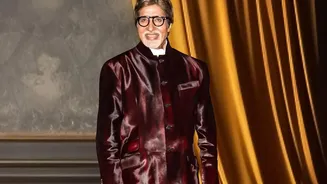
The other half of this risky equation was its host. In 2000, Amitabh Bachchan was at a low point in his career. His production company, ABCL, had faced severe financial troubles, and a string of his recent films had failed to make an impact at the box office. For a megastar of his stature, moving to television—then considered a significant step down from the silver screen—was seen by many as a desperate move. People openly warned him that the transition would tarnish his image. The skepticism was twofold: not only was the show an unproven format, but its host was a superstar whose magic, many believed, was fading.
The Chorus of Doubters
Industry insiders were not quiet with their doubts. Sameer Nair recalls being asked, “Who puts a quiz show on prime time?” and “Kahan se Amit-ji ko laye hain? (Where have you brought Amit-ji from?) Indians don't even like this!” The skepticism was rooted in a few key beliefs: that Indian audiences preferred escapist fiction over general knowledge, that a movie star wouldn't translate to the small screen, and that the enormous prize money of one crore rupees was an unsustainable gimmick. Rival channels even tried to launch their own big-money shows, but they failed to capture the public's imagination, proving the magic wasn't just in the format.
The Night That Changed Television Forever
On July 3, 2000, Kaun Banega Crorepati premiered. The result was immediate and explosive. All the skepticism vanished overnight as the nation was captivated. Bachchan, far from being a distant movie star, was a warm, empathetic host who connected with contestants on a human level. His use of phrases like “Lock kiya jaaye?” and his respectful address of the computer as “Computer-ji” became instant catchphrases. The show created a "9 PM curfew" effect, with streets emptying as families gathered to watch ordinary people get a chance to win life-changing sums of money. It wasn't just a hit; it was a cultural phenomenon that no one saw coming.