






Decoding Dietary Fibre
Dietary fibre is a type of carbohydrate found in plant foods that your body can't digest or absorb. Instead of being broken down, it passes relatively intact through your digestive system, playing a crucial role in your health along the way. There are
two main types of fibre: soluble and insoluble, and most plant foods contain both. Soluble fibre dissolves in water to form a gel-like substance in your digestive tract. Think of what happens when you add water to oats—that gooey texture is soluble fibre at work. This gel slows down digestion, which helps with nutrient absorption and makes you feel full longer. Insoluble fibre, on the other hand, does not dissolve in water. It adds bulk to stool, helping food pass more quickly through the stomach and intestines, which promotes regularity and helps prevent constipation.
The Steel-Cut Advantage
All oats begin as whole oat groats, but the way they are processed makes a big difference. Steel-cut oats are the least processed; the whole groat is simply chopped into a few pieces with steel blades. Rolled oats are steamed and flattened, while instant oats are pre-cooked, rolled even thinner, and dried. While all plain oats have a similar calorie, protein, and fibre count on the nutrition label, their effect on your body differs significantly. The key difference is the glycemic index (GI), which measures how quickly a food raises your blood sugar. Because steel-cut oats are so minimally processed, your body takes longer to break them down. This gives them a low GI of around 53-55, compared to instant oats, which can have a high GI of over 80. This slower digestion leads to a more gradual rise in blood sugar, providing sustained energy without the sharp spike and crash associated with more processed foods.
Beyond Just Regularity
The benefits of a high-fibre diet go far beyond just keeping you regular. The soluble fibre in steel-cut oats is a powerhouse for metabolic health. By forming that gel in your stomach, it can trap fats and cholesterol, helping to remove them from your body and lower your 'bad' LDL cholesterol levels. This is a major win for heart health. Furthermore, by slowing sugar absorption, fibre helps improve blood sugar control, which is crucial for preventing and managing conditions like type 2 diabetes. High-fibre foods also contribute to a feeling of fullness, or satiety, which can help with weight management by preventing overeating. The recommended daily intake for adults in India is around 25-30 grams, a target that many people don't currently meet.
Building a Truly Balanced Bowl
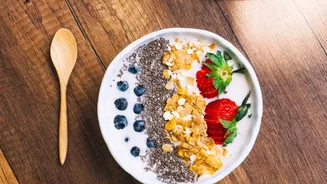
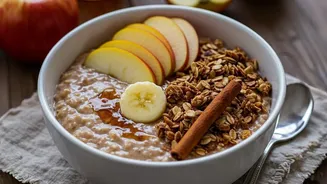
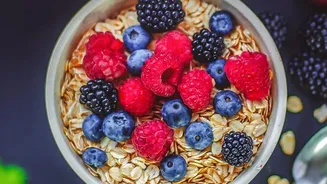
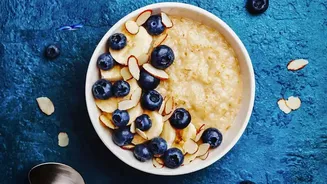
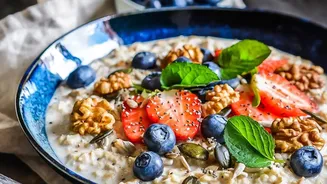
While steel-cut oats are a fantastic foundation, a truly balanced breakfast needs more than just carbohydrates. To maximise the benefits and keep you full even longer, it's important to add protein and healthy fats. This further slows digestion and stabilises blood sugar. Simple additions can transform your bowl. Consider stirring in a spoonful of nuts like walnuts or almonds, or seeds like chia and flaxseed for a boost of healthy fats and extra fibre. Adding a scoop of Greek yoghurt can provide a significant protein punch. Fresh fruits like berries or sliced bananas add natural sweetness and a host of vitamins and antioxidants without the need for added sugar. Cooking a larger batch of steel-cut oats at the start of the week can save you time on busy mornings; they store well in the refrigerator and can be quickly reheated.