

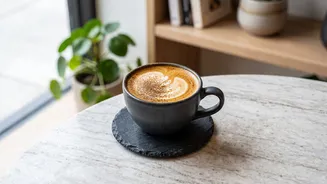
What Exactly is Hojicha?
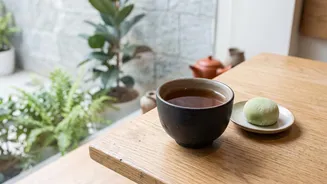
Like matcha, hojicha is a type of Japanese green tea, but its defining characteristic comes from a crucial final step: roasting. While matcha is made from young, shade-grown tea leaves that are steamed and stone-ground, hojicha is typically made from later-harvest
Bancha or Sencha leaves. These leaves, stems, and stalks are roasted at high temperatures over charcoal, a process that transforms them completely. This roasting step is what gives hojicha its signature reddish-brown colour, its unique flavour profile, and some of its most appealing wellness benefits.
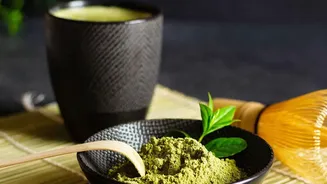
A Tale of Two Teas: Hojicha vs. Matcha
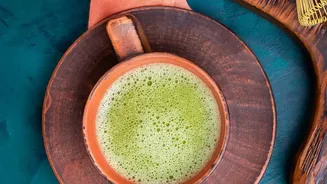
The fundamental difference between these two teas lies in their sensory experience. Matcha is known for its bright, grassy, and umami-rich flavour, which can sometimes have a bitter edge. Hojicha, on the other hand, offers a completely different profile. The roasting process mellows the tea, removing bitterness and creating a flavour that is often described as nutty, earthy, and naturally sweet, with hints of caramel or cocoa. This makes it incredibly approachable, even for those who don't typically enjoy green tea. Another major distinction is caffeine. A cup of matcha can have as much caffeine as a cup of coffee, making it a powerful morning stimulant. Hojicha's roasting process, however, breaks down most of the caffeine, leaving it with a fraction of the amount found in other teas. This makes it a perfect, soothing beverage for any time of day, especially in the evening.
Why India is Embracing the Toasty Trend
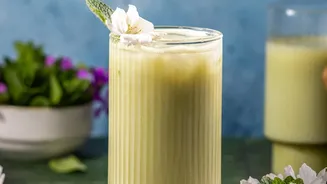
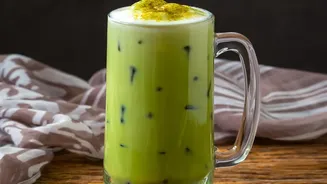
The growing interest in hojicha across India isn't surprising. Its warm, roasted flavour profile resonates with an Indian palate accustomed to toasted spices and malted drinks. For many, it strikes a comforting note that is both novel and familiar. Health and wellness trends also play a significant role. As urban consumers look for mindful alternatives, hojicha's low caffeine content offers a huge advantage, providing a relaxing ritual without the jitters associated with coffee or even matcha. Specialty cafes across major cities like Delhi, Mumbai, Bengaluru, and Chennai have been quick to pick up on the trend, adding hojicha lattes, bubble teas, and even 'dirty hojicha' with a shot of espresso to their menus. This cafe culture, amplified by social media, has introduced the tea to a wider audience eager for new experiences.
More Than Just a Drink
Just like its green counterpart, hojicha is proving to be incredibly versatile in the kitchen. Its roasted, nutty notes pair beautifully with dairy, chocolate, and vanilla, making it a popular ingredient in desserts. Bakeries and cafes are experimenting with hojicha-infused cheesecakes, ice creams, cookies, and tiramisu, where its subtle smokiness adds a layer of complexity. This culinary use is helping to cement hojicha's status not just as a fleeting trend, but as a flavour with staying power. As more people discover its comforting taste and gentle effects, it is finding a permanent place in both commercial kitchens and home pantries, with specialty brands now making it easily available online across the country.