





The Annual Health Emergency
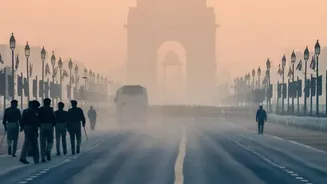
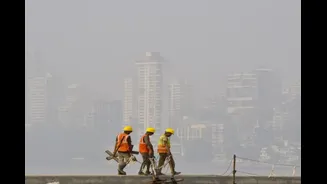
With Delhi's air quality slipping into the 'poor' category this week, authorities have enacted Stage I of the Graded Response Action Plan (GRAP). For the city's doctors, this is the start of a grim, predictable cycle. Pulmonologists report a surge in patients
with respiratory distress, but their warnings now encompass a much wider range of dangers. They are not just treating immediate symptoms; they are witnessing the cumulative toll of breathing toxic air year after year. The concern is that while many people might experience a persistent cough or throat irritation, the damage doesn't stop there.
The Invisible Enemy: What's In The Air?
The primary culprit is PM2.5 – fine particulate matter so small it can bypass the body's natural defences. These particles, roughly 30 times smaller than the width of a human hair, come from vehicle emissions, industrial output, construction dust, and seasonal crop burning. When inhaled, they don't just lodge in the lungs; they can penetrate deep into the respiratory system and even enter the bloodstream. This is the key pathway through which air pollution moves from being a respiratory irritant to a systemic threat, affecting multiple organs far from the initial point of entry.
More Than Just a Cough
The research community and medical professionals are increasingly focused on the non-respiratory effects of air pollution. The World Health Organization (WHO) and other major health bodies have linked it to a terrifying list of non-communicable diseases (NCDs). When PM2.5 enters the bloodstream, it causes inflammation and oxidative stress throughout the body. This can impair blood vessel function and contribute to the development of cardiovascular diseases, increasing the risk of heart attacks and strokes. In fact, doctors warn that even young adults are now at risk for cardiovascular issues due to prolonged exposure in Delhi. The effects don't stop there; emerging evidence links air pollution to diabetes, dementia, and adverse birth outcomes like low birth weight and preterm birth.
A National Public Health Crisis
While Delhi often grabs the headlines, this is far from being a problem exclusive to the capital. India has a profound air pollution crisis, with more than two million deaths attributed to it in 2023. According to recent reports, India ranks as one of the most polluted countries in the world, with dozens of its cities exceeding national air quality standards, which are already weaker than WHO guidelines. In 2025, five of the world's ten most polluted cities were in India. The Air Quality Life Index estimates that an average Indian could gain about 3.5 years in life expectancy if the air met WHO standards; for a resident of Delhi, that figure rises to a staggering 8.2 years. This data reframes air pollution from a seasonal nuisance into one of the country's most significant public health challenges.