

The Allure and The Unseen Forces
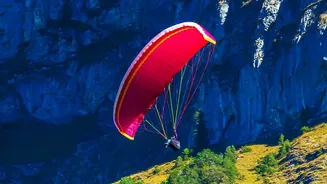
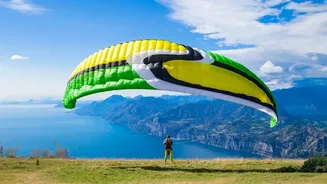
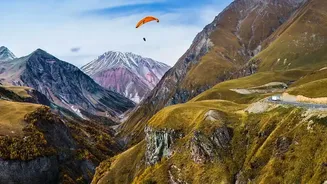
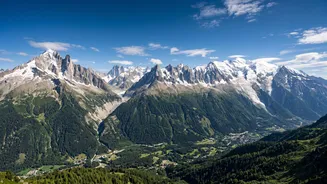
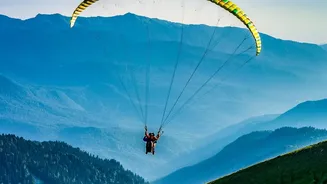
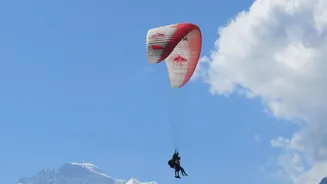
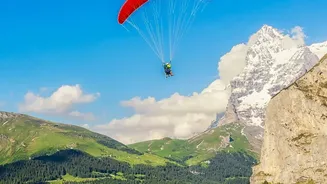
The French Alps, particularly around hubs like Chamonix and Annecy, are a global mecca for paragliding. The combination of breathtaking scenery, reliable lift infrastructure from ski resorts, and a vibrant flying community is hard to resist. For many,
a tandem flight is a holiday highlight, while for others, it's the start of a lifelong passion. However, the same dramatic terrain that creates stunning views also creates significant atmospheric challenges. Over 90% of paragliding incidents are linked to human factors, with weather conditions being the primary cause. Unlike the predictable winds of coastal dunes, mountain air is a dynamic, often invisible, mix of currents that can catch even experienced pilots off guard.
Understanding Alpine Aerology
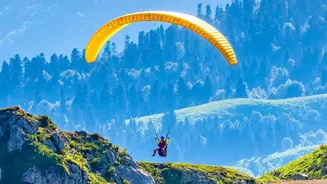
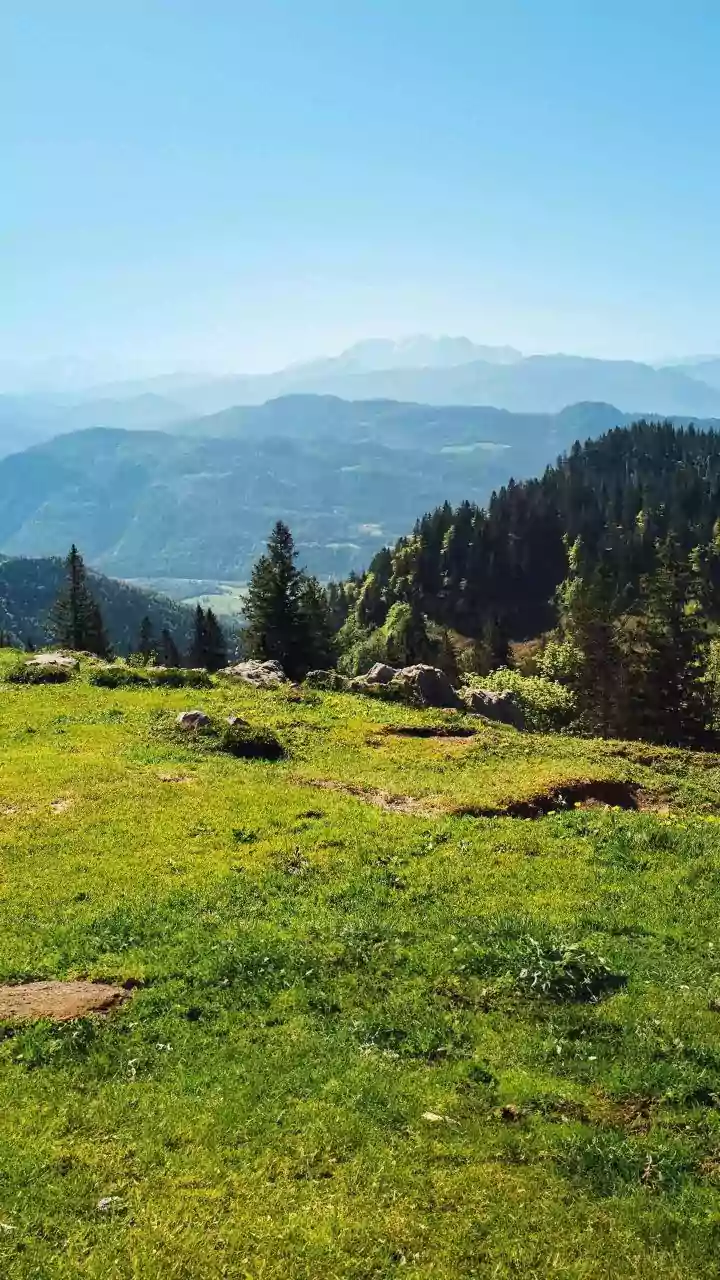
A simple weather forecast showing light winds and sun is just the beginning of your pre-flight check. The real skill in alpine flying is understanding 'aerology'—how the air interacts with the mountains. During the day, sun-facing slopes heat up, creating rising columns of air called 'thermals' that pilots use to gain altitude. Simultaneously, valleys develop their own wind systems as cool air is drawn up from the plains to replace the rising mountain air. This can create strong, turbulent conditions, especially by midday. A pilot must understand how these valley winds, slope breezes, and the general meteorological wind interact. Getting it wrong can mean being pushed into the 'lee' side of a mountain, where the air tumbles into dangerous turbulence known as rotor.
Training is Non-Negotiable
While France doesn't legally require a government license for solo paragliding, flying without proper training is incredibly dangerous. The French Free Flight Federation (FFVL) oversees a structured training program offered by over 150 accredited schools. This system progresses pilots through various levels, ensuring they have the skills to handle the conditions they'll face. For visiting pilots, even those with experience, seeking local guidance is crucial. A briefing from local pilots or hiring a guide for a day can provide invaluable insight into specific site hazards, like invisible cables or tricky landing approaches. Many schools in areas like Chamonix and Annecy offer everything from tandem flights to advanced courses in thermal and cross-country flying.
The Right Gear For The Job
Mountain flying demands more than just a wing and a harness. Essential safety equipment is a must. A reserve parachute is your lifeline in an emergency, though its use is rare. A helmet is mandatory for obvious reasons. A radio is vital for communication with other pilots and for receiving warnings or assistance. A variometer, an instrument that indicates your climb or sink rate, is also considered essential for finding and using thermals efficiently and safely. Additionally, proper clothing, including layers, a windproof jacket, and sturdy, closed-toe shoes are required, as temperatures at altitude can be freezing even on a warm day.
Respecting the Rules of the Air
While there may not be traffic lights, there are established rules of priority in the sky. For instance, when pilots are circling in the same thermal, the first one in sets the direction of rotation, and all others must follow. The pilot at the lower altitude generally has the right of way. It's also critical to be aware of and respect local regulations, designated landing zones, and airspace restrictions, which can be checked on navigation apps or with local clubs. This etiquette ensures a safer environment for everyone. Finally, remember you are a guest in nature's domain; pilots share the sky with wildlife like eagles and vultures, and maintaining a respectful distance is key.