


The Tale of Two Tastes
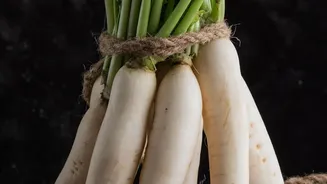
At first glance, radish and beetroot might seem similar, but their flavours are worlds apart. Radishes, part of the mustard family, deliver a sharp, peppery bite that can range from mild to fiery. This crisp spiciness is why they are so often used raw
to add a refreshing kick to dishes. Beetroot, on the other hand, belongs to the same family as spinach and chard. It boasts a distinctly sweet and earthy flavour profile. This sweetness intensifies when cooked, which is why roasting or boiling brings out its deep, comforting character. While radish is the spicy friend who livens up the party, beetroot is the sweet, dependable one who brings depth to the conversation.
A Nutritional Head-to-Head
When it comes to nutrition, both vegetables are worthy contenders, though they shine in different areas. Radishes are notably lower in calories and carbohydrates. They are an excellent source of Vitamin C, which is vital for immune support, and also provide a good amount of Vitamin K and calcium. Beetroot is the richer of the two in terms of overall vitamins and minerals. It is packed with folate (Vitamin B9), potassium, iron, and manganese. Beets are also a great source of dietary fibre and contain unique antioxidants called betalains, which have been associated with anti-inflammatory effects. So, while a radish offers a low-calorie, vitamin-C punch, beetroot provides a broader spectrum of essential nutrients.
Beyond the Salad Bowl: Radish Reinvented
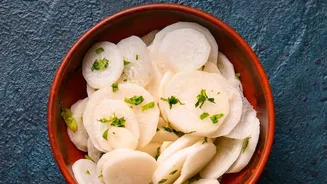
Tossing raw radishes into a salad is a classic for a reason, but limiting them to this role is a missed opportunity. The magic happens when you apply heat. Roasting radishes completely transforms them; their peppery intensity mellows into a mild, slightly sweet, and buttery flavour. Slice them into wedges, toss with olive oil and herbs like rosemary, and roast until tender for a surprising and delicious side dish. Pickling is another fantastic way to enjoy radishes, turning them into a tangy, crunchy condiment perfect for tacos, sandwiches, or burgers. You can even sauté them, add them to stir-fries, or thinly slice them for a refreshing carpaccio.
Beetroot Unleashed: More Than Roasts
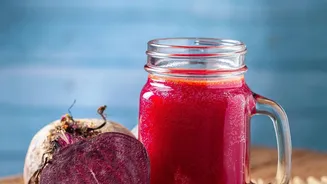
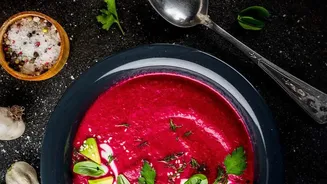
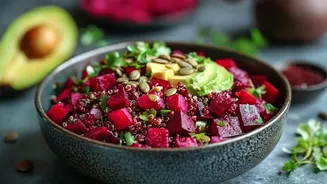
Beetroot’s sweetness makes it a natural fit for slow roasts and hearty soups like borscht, but it’s just as delightful when served raw. Grated raw beetroot adds a vibrant, crunchy, and sweet element to salads and slaws, pairing beautifully with carrots and apples. Juiced beets, often combined with ginger and apple, make for an energising and nutrient-dense drink. And for the truly adventurous, beetroot’s earthy sweetness works wonders in desserts. Grated beetroot in a chocolate cake or brownie adds incredible moisture and a subtle depth of flavour that complements the cocoa. From risotto and hummus to burgers and tarts, beetroot proves its versatility across the entire menu.
Perfect Pairings to Elevate Your Dish
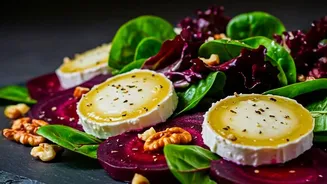
Knowing what flavours complement each vegetable can take your cooking to the next level. The classic French way to enjoy radishes is simple and perfect: raw, with good butter and a sprinkle of flaky sea salt. Their peppery quality also pairs well with creamy avocados, fresh herbs like mint and dill, and tangy feta cheese. For beetroot, the quintessential pairing is with sharp, creamy goat cheese. The tanginess of the cheese cuts through the beet’s sweetness. Walnuts, oranges, and fresh dill are also classic companions. For a spicier kick, beetroot pairs surprisingly well with horseradish and ginger.
A Shopper’s Guide to Freshness
To get the best out of these roots, start by choosing wisely. For both radishes and beets, look for firm, smooth vegetables without soft spots or blemishes. If the leafy greens are still attached, they should look fresh and vibrant, not wilted—this is a great indicator of freshness. Once home, the first step is to separate the greens from the roots, as the leaves will continue to draw moisture, causing the vegetable to soften. Store the unwashed roots in a breathable bag in the crisper drawer of your refrigerator. Radishes can also be kept extra crisp by storing them in a bowl of water in the fridge. Stored properly, they will keep for several weeks, ready for your next culinary experiment.