




A Farmer's Resilient Ally
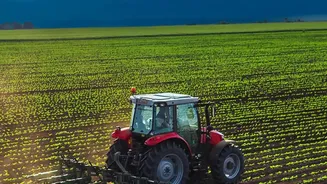
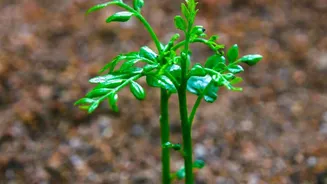
For Indian farmers, especially those in arid and semi-arid regions, the grass pea is a remarkable ally. Its key advantage lies in its sheer toughness. It is known for its ability to withstand drought, grow in poor quality soils, and tolerate both excess
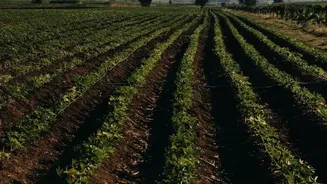
moisture and heat. This makes it an ideal crop for challenging agricultural environments where other plants might fail. Cultivation requires minimal inputs and cost, making it an attractive option for small and marginal farmers. In states like Odisha and Bihar, it is being promoted as an excellent crop for rice fallows—land left unused after the rice harvest—allowing farmers to harvest a second crop and boost their income from the same plot of land. Projects promoting new varieties have shown potential net income gains of ₹27,500 to ₹44,000 per hectare. Furthermore, as a legume, the grass pea naturally fixes nitrogen in the soil, improving fertility and reducing the need for chemical fertilizers for subsequent crops.
A Nutritional Powerhouse
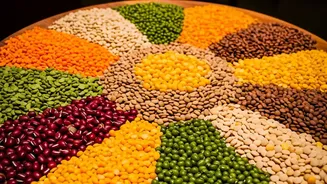
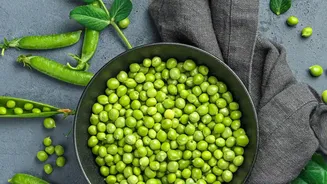
On the nutrition front, the grass pea, or khesari dal, is a standout. Its seeds are packed with protein, containing between 26% and 34%, which is significantly higher than chickpeas. This makes it a powerful tool in the fight against protein malnutrition, particularly in a country with a large vegetarian population. Beyond protein, it is also a good source of essential amino acids like lysine, fiber, and various vitamins and minerals, including iron, magnesium, and B-complex vitamins. With high digestibility and a rich nutritional profile, it holds the potential to be a sustainable and affordable 'super food' that can enhance food security for millions.
The Shadow of Khesari Dal
Despite its benefits, the grass pea has a controversial history in India, where it is known as khesari dal. This is due to the presence of a neurotoxin called ODAP (β-N-oxalyl-amino-L-alanine). Excessive consumption of traditional, high-ODAP varieties, especially as a staple food during times of famine or drought when other food is scarce, can lead to a debilitating neurological disorder called neurolathyrism. This condition causes irreversible paralysis of the lower limbs. Due to this risk, the sale of khesari dal for human consumption was banned by the Government of India in 1961. While cultivation for animal feed was allowed, this stigma caused its use to decline dramatically.
Science Paves a Safer Path Forward
The story of the grass pea is now one of scientific redemption. For decades, researchers at institutions like the Indian Council of Agricultural Research (ICAR) and the International Center for Agricultural Research in the Dry Areas (ICARDA) have been working on a solution. Their efforts have led to the development of new grass pea varieties with significantly lower levels of the neurotoxin ODAP, well below the safe threshold of 0.1%. Varieties like 'Ratan', 'Prateek', and 'Mahateora' are not only safer but also offer high yields. These low-toxin varieties are at the heart of revival projects in states like Bihar, West Bengal, and Odisha, where they are being distributed to farmers to replace older, high-toxin local types. The scientific consensus is growing that when consumed as part of a normal, balanced diet, these new varieties of khesari dal are harmless.
From Banned Crop to Future Food
The legal status of khesari dal remains complex. Despite widespread reports and recommendations to lift the 1961 ban, the formal prohibition on its sale as a food item technically remains in place under India's food safety regulations as of late 2026. However, a 2021 amendment did introduce a tolerance level for its incidental presence in other pulses, and some states have independently moved to revoke the ban. This regulatory gray area highlights the disconnect between the crop's controversial past and its scientifically-backed future. Overcoming the final hurdles will require a combination of clear government policy, continued scientific advancement, and public awareness campaigns to educate both farmers and consumers about the new, safe varieties. By doing so, India can fully unlock the potential of this resilient legume to diversify farm incomes, improve soil health, and provide a vital source of protein for a growing population.