

The Grain Showdown: A Modern Dilemma
For years, quinoa has been the darling of the health-conscious, appearing in everything from salads to pulao as a high-protein, gluten-free alternative to rice. It arrived in India with a premium price and a Western health narrative. But before quinoa became
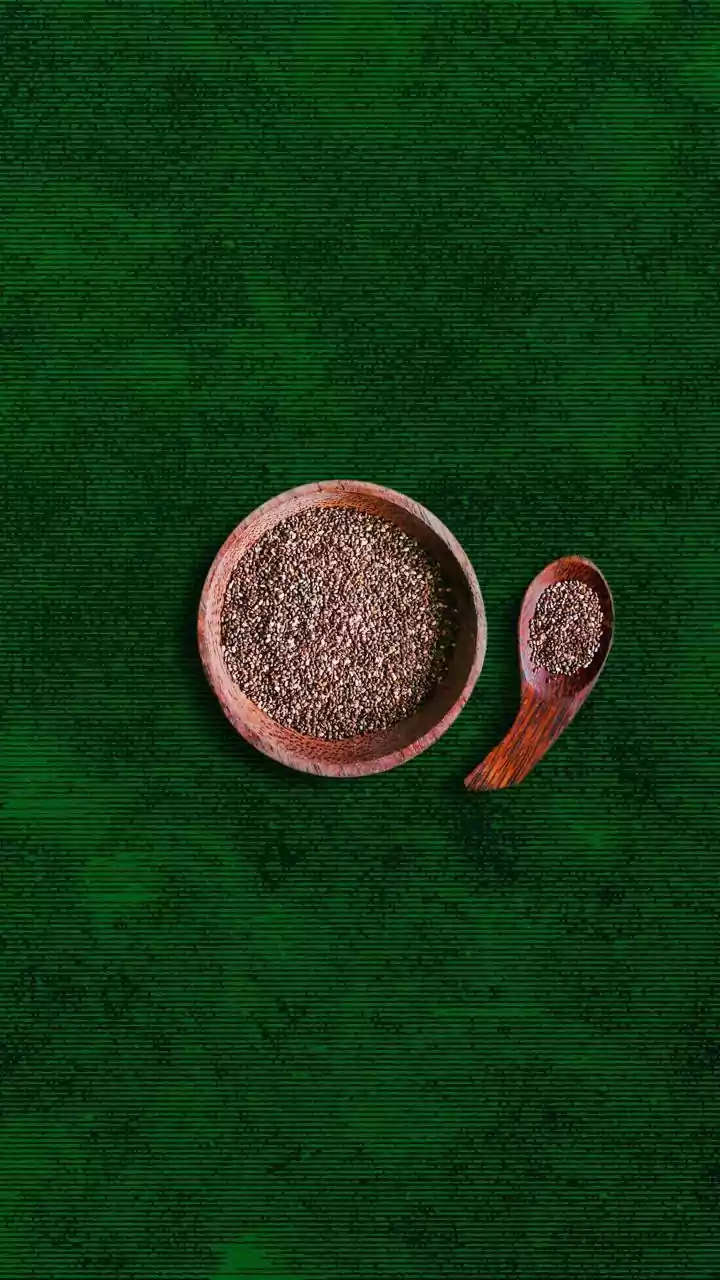
a household name, another grain was quietly nourishing generations: ragi, or finger millet. This humble, reddish-brown grain has been a staple in parts of India for thousands of years, known for its resilience and nutritional power. As we become more aware of eating local and sustainable foods, the question arises: is imported quinoa really superior to our native ragi?
Dietary Fibre: The Core of the Comparison
The headline debate is all about fibre, a crucial nutrient for digestive health, blood sugar control, and feeling full for longer. So, how do they stack up? According to the Indian Food Composition Tables (IFCT) 2017, uncooked quinoa contains a respectable 14.7g of dietary fibre per 100g. However, uncooked ragi holds its own with an impressive 11.2g of fibre per 100g. While some sources suggest quinoa has a slight edge, others indicate ragi's fibre content is higher, particularly when comparing cooked portions where ragi provides around 3.6g to quinoa's 2.8g per 100g. The takeaway is that both are excellent fibre sources, far superior to polished white rice. Ragi's high fibre content helps in slowing digestion, which prevents sudden spikes in blood sugar.
Beyond Fibre: The Calcium and Protein Story
While fibre is important, a grain's overall nutritional profile tells the full story. This is where the differences become stark. Quinoa's main claim to fame is its status as a 'complete protein', containing all nine essential amino acids. Per 100g, uncooked quinoa offers about 14g of protein, significantly more than ragi's 7.3g. However, ragi has a secret weapon: calcium. Ragi provides a staggering 344mg of calcium per 100g, making it one of the richest plant-based sources of this mineral. In comparison, quinoa offers around 47mg per 100g. For Indian diets, which are often deficient in calcium, this makes ragi an exceptionally valuable food for bone health.
The Glycemic Index and Blood Sugar
For many people, especially those managing diabetes, the glycemic index (GI) is a critical factor. The GI measures how quickly a food raises blood sugar levels. Both grains perform well here. Quinoa has a low GI of around 53. Ragi's GI is also in the low-to-medium range, typically cited as 54. This means both ragi and quinoa release energy slowly, preventing the sharp sugar crashes associated with refined grains like maida or white rice. This makes both suitable choices for maintaining steady energy and managing blood sugar as part of a balanced diet.
The Practical Choice: Cost and Versatility
Nutrition is one thing, but daily usability is another. This is where ragi has a clear home-ground advantage. Quinoa is largely imported, which makes it significantly more expensive. It can cost four to five times more than ragi. Ragi, grown across India, is one of the most affordable and accessible nutrient-dense grains available. Furthermore, ragi is deeply integrated into Indian culinary traditions. It can be easily made into rotis, dosas, porridges (kanji), and ladoos, blending seamlessly into regional diets without requiring new cooking methods. Quinoa, with its nuttier taste and distinct texture, is most often used in salads or as a rice substitute, which can be less familiar to the Indian palate.