





What Is This 'Talking Car' Technology?
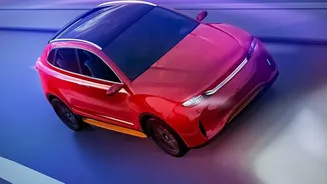
The technology at the heart of this push is called Vehicle-to-Everything, or V2X. It's a system that allows vehicles to wirelessly communicate with each other and their surroundings in real time. The most well-known component is Vehicle-to-Vehicle (V2V)
communication, which lets cars, trucks, and even two-wheelers exchange data about their speed, position, and direction. By constantly sharing this information, vehicles can create a 360-degree awareness bubble, alerting drivers to dangers that cameras and sensors might miss, such as a car braking suddenly several vehicles ahead. V2X also includes Vehicle-to-Infrastructure (V2I), where cars talk to traffic lights, and Vehicle-to-Pedestrian (V2P), which can alert drivers to people on the road. Together, these systems form a connected ecosystem aimed at making roads dramatically safer and more efficient.
The Government's Safety Mandate
This is not just a futuristic idea; it's becoming policy. The Ministry of Road Transport and Highways (MoRTH) has issued a draft notification proposing a mandatory rollout of V2V communication systems. The plan is phased, with the technology becoming compulsory for all newly manufactured cars, commercial vehicles, and two-wheelers from October 1, 2028. This initiative is a direct response to India's high rate of road accidents and fatalities. Officials believe that enabling vehicles to communicate proactively can prevent a significant number of collisions, especially those occurring at blind intersections, on foggy highways, or due to wrong-way driving. The government's move signals a clear intent to leverage technology as a core part of its strategy to improve road safety across the nation.
Why Standards Are the Critical First Step
The entire system hinges on one crucial element: a unified standard. Without it, the technology is useless. For cars to talk to each other, they must speak the same language. A Maruti must be able to understand a warning from a Mahindra, and a bus in Delhi needs to communicate seamlessly with infrastructure in Chennai. This is why the government's focus is on establishing the Automotive Industry Standard (AIS) 230. This standard specifies the exact technical, performance, and cybersecurity requirements for all V2V systems in India. It mandates the use of a specific technology called Cellular V2X (C-V2X), which leverages mobile network technology for robust communication. By creating a single, non-negotiable standard before the mass rollout, India aims to avoid a fragmented market where different brands use incompatible systems, thus ensuring the safety network is as wide as possible from day one.
The Road Ahead: Hurdles and Opportunities
Implementing such a grand vision is not without its challenges. The primary technology, C-V2X, was chosen for its ability to leverage India's expanding 5G network, but ensuring reliable connectivity across the entire country, including rural areas, will be a significant task. There are also concerns about cybersecurity—creating a secure system to prevent hacking or the transmission of false safety messages is paramount. Furthermore, the cost of the On-Board Units (OBUs) required in each vehicle, estimated to be between ₹5,000 and ₹7,000, raises questions about affordability, particularly for two-wheelers and budget vehicles. However, the opportunity is immense. This push is expected to not only save lives but also reduce traffic congestion, improve fuel efficiency, and position India as a key market for developing and deploying advanced automotive technologies.