






The Green Deception
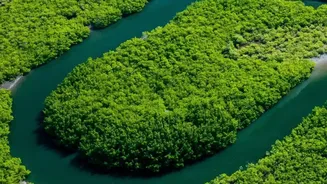
At first glance, the logic seems simple: rain is good, fire is bad. Abundant precipitation, like that from a strong monsoon, quenches dry earth and spurs an impressive growth of vegetation. Grasses, shrubs, and undergrowth flourish, painting the landscape
in vibrant shades of green. This new growth is lush and full of moisture, acting as a natural fire retardant. During this phase, the ecosystem seems healthy and robust, and the immediate risk of fire is significantly low. However, this period of verdant growth is deceptive. It creates a massive inventory of what will eventually become fuel. The more plants that grow, the more material there is to burn later.
From Lush Life to Dry Tinder
The transition from a fire-resistant landscape to a highly flammable one happens when the weather pattern shifts from wet to dry. The fine, fast-growing vegetation, such as grasses and small plants, is the first to succumb to a lack of water. Unlike larger trees and shrubs that can retain moisture for longer, these smaller plants dry out and die quickly when hot, dry conditions set in. This process, sometimes called 'curing', transforms fields of green into acres of dry, combustible material. This cured vegetation is known as 'fine fuel', and it is exceptionally dangerous because it ignites very easily and allows fire to spread with alarming speed. A single spark can be enough to set off a rapidly moving blaze through these dried-out grasses.
The Grass-Fire Cycle
This dangerous relationship between rain and fire is part of a phenomenon known as the grass-fire cycle. It works like a positive feedback loop. Abundant rains lead to the growth of grasses, including invasive species that can outcompete native plants. When drought follows, these grasses provide a continuous bed of fuel that can carry fire across large areas. After a fire, these same grasses are often the first to recover, re-establishing themselves more aggressively and creating an even more uniform landscape of fine fuels. Over time, this cycle can convert diverse native ecosystems into monotonous, fire-prone grasslands, fundamentally altering the environment and increasing the frequency and severity of wildfires.
The Indian Context: A Ticking Clock
In India, this cycle has particular relevance due to the country's reliance on the monsoon. The intense rainfall during the monsoon season leads to a surge in vegetation growth across the subcontinent. The fire season in India typically peaks in the dry months of March and April, before the next monsoon arrives. During this pre-monsoon period, the lush growth from the previous year dries out, especially if pre-monsoon showers are weak. The vast quantities of dried grasses and leaf litter create perfect conditions for forest fires, especially in hilly states like Uttarakhand, where pine trees—which are highly flammable—are common. As climate change leads to more extreme weather patterns, including more intense monsoons followed by prolonged droughts, this fire risk is expected to intensify.
A More Complex Future for Fire Management
The connection between wet weather and subsequent fire risk complicates efforts to predict and manage wildfires. It’s no longer as simple as associating drought with fire. Land managers and fire services must now consider the 'boom and bust' cycle of vegetation. A particularly wet year might mean a lower fire risk in the short term but could signal a higher danger in the following season. This paradox means that managing fire risk requires a longer-term view. It involves not just responding to fires but also managing fuel loads through methods like prescribed burns, especially after wet years that produce an abundance of fine fuels. Understanding this complex interplay is crucial for protecting communities and ecosystems in a world where weather patterns are becoming increasingly unpredictable.