




The Hidden Danger of the Soggy Saucer
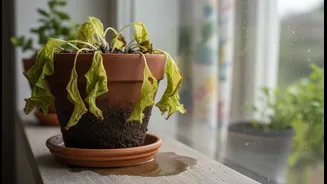
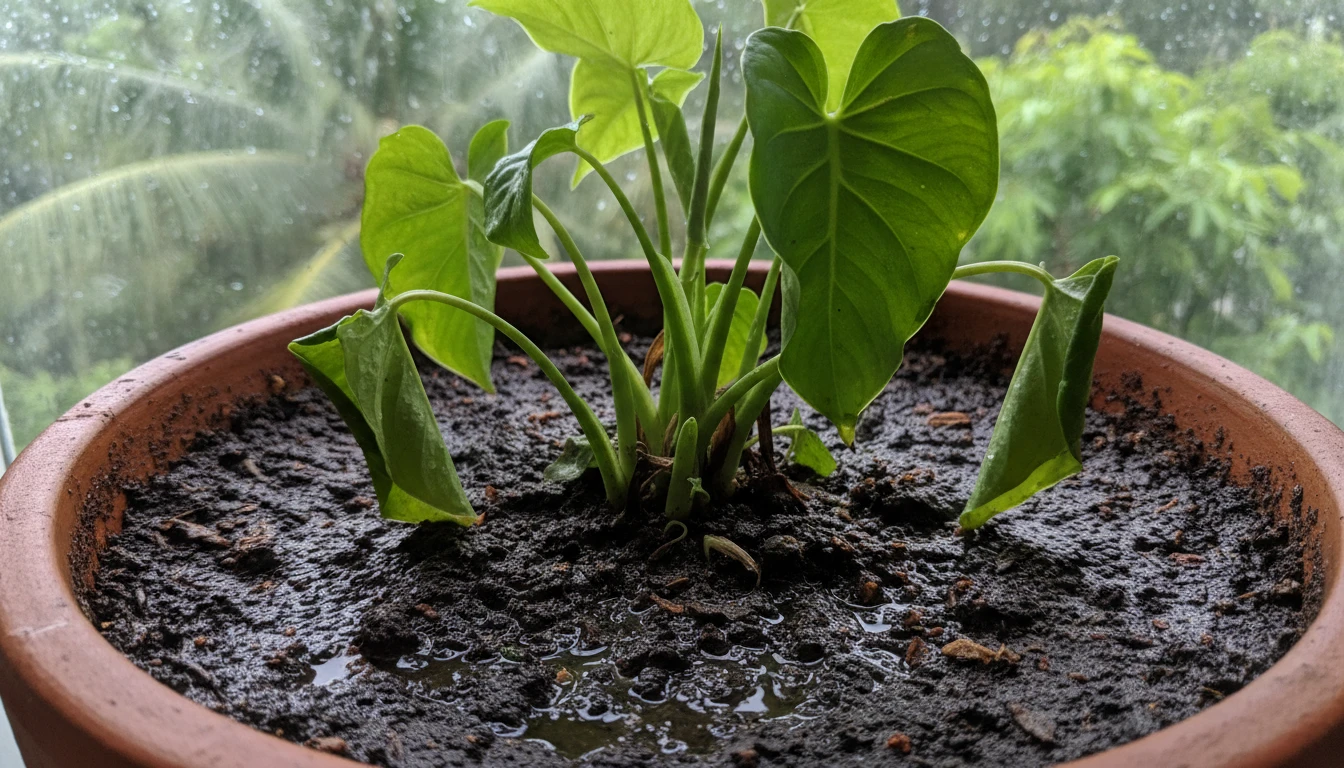
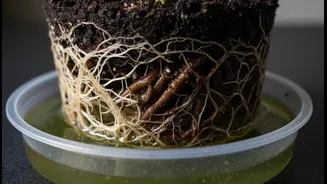
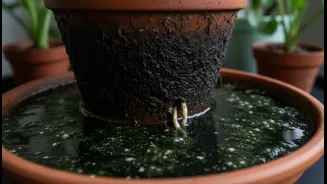
It seems logical: a saucer full of water acts as a reservoir, keeping your plant hydrated. But during the high-humidity, low-evaporation days of monsoon, this practice can be fatal. When a pot sits in standing water, the soil at the bottom becomes completely
saturated. This waterlogging cuts off the supply of air to the roots. Most plant parents focus on providing water, but it's easy to forget that roots need to breathe, too. A plant can often recover from a brief period of dryness, but it can't survive for long when its roots are suffocating.
What is Root Rot, Really?
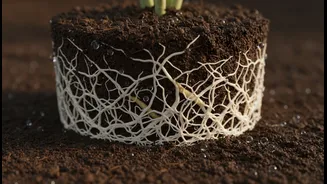
Root rot is the direct consequence of roots being deprived of oxygen. Think of it as drowning. When the air pockets in the soil are filled with water for too long, the roots begin to die and decay. This weakened state makes them vulnerable to fungi and bacteria that thrive in these wet, airless conditions. These pathogens can then spread to healthy roots, causing a chain reaction that can kill the plant. The irony is that a plant suffering from root rot often looks wilted, which can trick you into watering it even more, worsening the problem.
Why Skipping a Watering is Safer
During the monsoon, the air is heavy with moisture and cloudy days are frequent, meaning soil dries out much more slowly than in summer. Your plants simply don't need as much water. Skipping a watering session when the soil is still damp allows it to dry out, giving the roots access to the oxygen they need. A plant showing signs of being slightly thirsty—like droopy but not crispy leaves—will almost always perk up quickly after a good drink. However, a plant with advanced root rot from constant wetness may be impossible to save. The damage from suffocation is far more immediate and severe than the stress of temporary thirst. It is almost always easier to save an underwatered plant than an overwatered one.
Reading the Signs: Overwatering vs. Underwatering
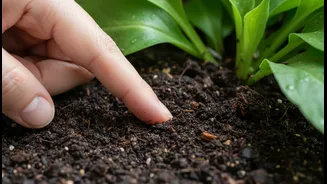
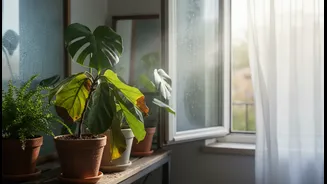
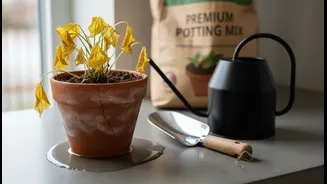
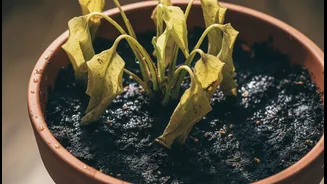
Being able to tell the difference is crucial. An overwatered plant often has yellowing leaves, especially lower ones, and the leaves might feel soft and limp. The soil will be wet to the touch and may even have a foul, rotten smell, indicating root rot has begun. You might also see mold on the soil's surface. In contrast, an underwatered plant's leaves will feel dry and crispy at the edges. The whole plant may look droopy, but the soil will be bone dry, and the pot will feel light. The easiest way to know for sure is to stick your finger about an inch into the soil; if it's dry, it's time to water, but if it's moist, you should wait.
Your Monsoon Plant Care Checklist
Caring for plants during the rainy season is more about observation than a strict schedule. First, always empty the water from saucers and trays after it rains or after you water. If possible, raise your pots slightly off the ground to improve drainage and airflow. Second, adjust your watering frequency. Instead of a fixed routine, always check the soil moisture first. Let the top inch or two of soil dry out completely before watering again. Finally, ensure your pots have good drainage holes and use a well-draining potting mix. This combination prevents the soil from becoming a waterlogged swamp and keeps your plant's roots healthy and happy throughout the season.