




The Power of a Single Piece
Decorating with oversized textiles is about making a singular, powerful statement. Instead of cluttering a space with many small items, one large piece of fabric—such as a tapestry, a vintage quilt, or even a lightweight rug—can anchor an entire room.
This approach adds immediate warmth, texture, and personality, transforming a flat, uninspired wall into a deliberate and inviting feature. The right textile acts as both art and insulator, creating a focal point that is both visually striking and acoustically softening.
What Qualifies as an Oversized Textile?
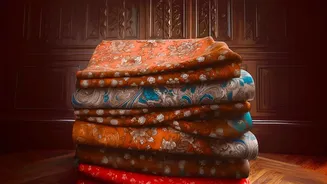
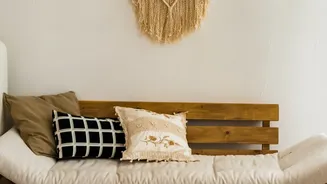
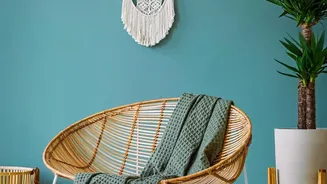
The term covers a wide range of fabric art. Classic tapestries, with their intricate woven scenes, are a traditional choice that can add a sense of history and narrative to a room. But modern options are just as compelling. Think large-scale macrame hangings for a bohemian feel, antique quilts for a touch of rustic charm, or even bold, graphic rugs hung as unconventional art. The key is that the piece is substantial enough to command attention and define the space it occupies. Unlike framed prints, these pieces bring a tactile dimension that changes the entire atmosphere of the room.
Choosing the Right Textile for Your Space
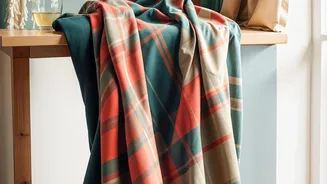
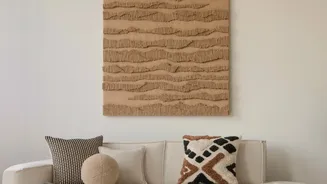
When selecting a piece, consider three main elements: scale, color, and material. The textile should be large enough to make an impact, typically covering about two-thirds of the width of the furniture it hangs above, like a sofa or headboard. Color and pattern should complement your existing decor. You can either choose a piece with a shared color palette to create a cohesive look or select a bold, contrasting design to serve as a statement. Finally, think about texture. A plush wool hanging adds coziness, while a smooth cotton or linen piece feels more airy and relaxed.
How to Hang Your Textile
The hanging method depends on the weight and size of your textile. For lightweight pieces, adhesive hooks or simple clips can work well, especially for renters who want to avoid damaging walls. For heavier items like rugs or thick quilts, a more robust solution is needed to distribute the weight evenly and prevent sagging. A curtain rod or wooden dowel slid through a sewn-on pocket at the back of the textile is a popular and effective method. Another secure option involves attaching Velcro to a wooden slat mounted on the wall and sewing the corresponding strip to the back of the fabric, which ensures a flat, stable display.
Styling and Placement Tips
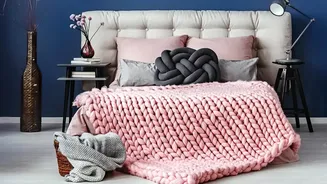
The most common and effective placements for a large textile are above a sofa in the living room or behind the bed as a dramatic, soft headboard. These locations allow the piece to anchor the room's main functional area. Don't be afraid to let the textile interact with its environment. Placing it where natural light can graze its surface will highlight its texture throughout the day. You can also use a textile to add visual interest to overlooked areas like hallways or entryways, creating a warm and welcoming first impression.