


A New Flock in Ariana Park
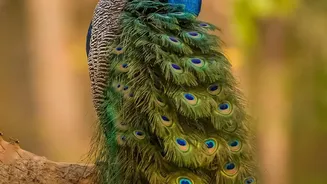
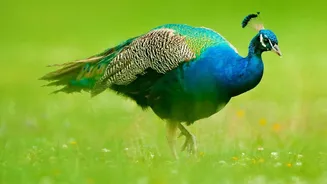
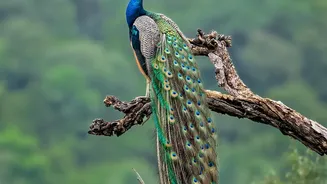
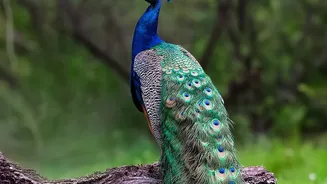
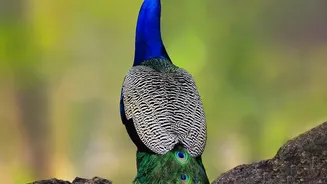
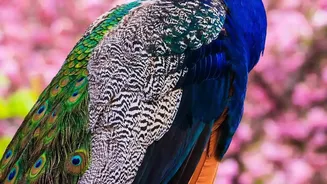
In early August 2026, India formally gifted five young peacocks to the United Nations Office at Geneva (UNOG). The donation, consisting of four blue peafowl and a rare white-feathered male, was presented by India's Permanent Representative, Arindam Bagchi,
to UNOG Director-General Tatiana Valovaya. This was a deliberate and symbolic act, with the blue and white feathers echoing the official colours of the United Nations. The birds will initially reside in a special enclosure within the historic Ariana Park, the grounds of the UN's European headquarters, for a few months before being allowed to roam freely. The gesture was hailed as a celebration of India's rich biodiversity and a reaffirmation of its commitment to multilateralism.
A Tradition Dating to Indira Gandhi
This act of 'peacock diplomacy' is not new. It directly revives a tradition started in 1981, when then Prime Minister Indira Gandhi sent a breeding pair of peacocks from the Delhi Zoo to the very same location. For decades, the descendants of that original pair graced the lawns of the Palais des Nations, becoming a living part of the diplomatic landscape. However, over time, their numbers dwindled due to natural causes, until only a single bird remained. The recent donation of five new birds was a response to a request from the UN to help restore the population, bridging a 45-year gap and ensuring the continuation of a tradition that connects two distinct eras of Indian leadership.
The Peacock as National Symbol
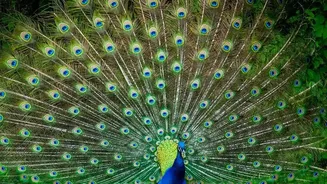
The choice of the peacock is deeply significant. Declared India's national bird in 1963, the peacock, or 'Mayura' in Sanskrit, is embedded in the country's cultural, religious, and artistic heritage. It symbolises grace, beauty, and resilience. Found in mythology, temple carvings, and royal courts throughout history, the bird represents the vibrancy and diversity of India itself. By presenting its national bird on an international stage, India uses a powerful, non-verbal symbol to communicate its identity and values. It's a form of soft power that showcases the nation's natural heritage and cultural ethos, creating goodwill that transcends formal political negotiations.
More Than Just a Gift
The tradition of peacocks in Ariana Park actually predates both the United Nations and India's gifts. It began in the late 19th century when the estate's original owner, Gustave Revilliod, bequeathed the land to Geneva with the condition that peacocks must always be allowed to roam freely there. While other countries, like Japan, have also contributed birds over the years, India's involvement carries a unique resonance. The act of renewing this flock is a powerful statement of continuity. It demonstrates that across different governments and decades, India's commitment to its partnership with the UN and its use of cultural diplomacy remains a constant thread in its foreign policy.