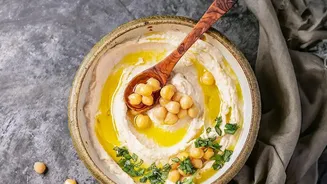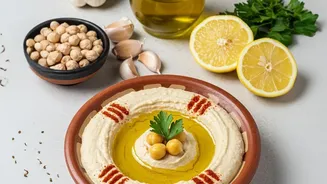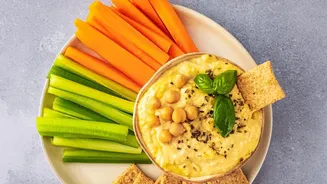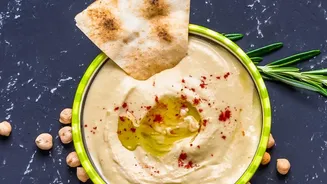






The Common Hummus Conundrum
Crafting the perfect hummus can feel like an elusive art. You follow the recipe, you blend with all your might, but the result is often disappointing. Many homemade versions suffer from a dense, pasty texture or a flat, one-dimensional flavour. It might taste
of chickpeas or overwhelming garlic, but it lacks the bright, balanced, and utterly addictive quality of the dips served at your favourite Middle Eastern restaurant. The common mistake isn't a lack of exotic ingredients or complicated techniques. More often than not, the issue is a fundamental misunderstanding of how the core components—chickpeas, tahini, garlic, and lemon—should work together.
The Acid Test: Lemon's Vital Role
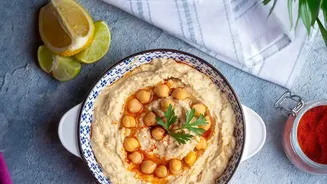
Enter the humble lemon. Its role in hummus is far more significant than just adding a hint of sourness. Freshly squeezed lemon juice is the catalyst that brightens and balances the entire dish. Without sufficient acidity, the rich, nutty flavour of the tahini and the earthy starchiness of the chickpeas can feel heavy and cloying on the palate. Lemon juice cuts through that richness, lifting the other flavours and making them more distinct. It provides a 'pop' that makes the hummus taste fresh and vibrant. Some chefs even marinate their garlic in lemon juice for a few minutes to mellow its harsh, raw bite before blending, showcasing its power to not just add flavour but also refine it.
The Science of a Smooth Dip
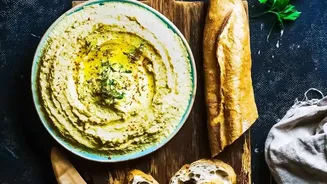
Beyond flavour, lemon juice plays a crucial role in achieving that coveted silky-smooth texture. Tahini, a paste made from sesame seeds, is rich in fats. When you blend tahini with water-based ingredients like chickpea liquid and lemon juice, you are creating an emulsion. The acidity from the lemon helps to break down the proteins and fats, allowing them to blend more seamlessly into a lighter, almost whipped consistency. In fact, many expert recipes advise blending the tahini, lemon juice, and garlic into a sauce before adding the chickpeas. This initial step ensures the base is perfectly emulsified, preventing a grainy outcome and creating a luxuriously creamy foundation for your dip.
Finding the Right Balance
So, how much is 'extra'? It's more than you probably think, but it's not a license to make a sour dip. A good starting point for a standard can of chickpeas is the juice of one to two full, fresh lemons. The key is to always use freshly squeezed juice; bottled varieties contain preservatives that can impart a dull or even metallic taste. Taste is subjective, so the best method is to start with the juice of one lemon, blend, and then taste. Is the flavour bright? Does it cut through the richness of the tahini? If it still tastes a bit flat, add more juice, blending and tasting until it reaches a perfect balance. Remember, the lemon flavour can intensify as the hummus sits, so it's wise to be bold but not reckless.
Beyond the Juice: Supporting Acts
While lemon juice is the star, it works best as part of an ensemble. For the ultimate creamy texture, many chefs recommend adding a few tablespoons of ice-cold water while the blender is running. This simple trick helps create a lighter, fluffier result. Another tip is to ensure your chickpeas are cooked until they are very soft, almost on the verge of falling apart. Whether you're using canned or cooking them from scratch, simmering them for an extra 15-20 minutes can make a world of difference. Finally, don't skimp on good quality tahini. Since it's a primary ingredient, a high-quality brand will deliver a nutty, rich flavour that cheap, bitter tahini simply cannot match.