









The Social-Energy Connection
It's no secret that our relationships are vital to our well-being. A strong sense of social connection is linked to a host of benefits, from lower rates of anxiety and depression to a stronger immune system. Studies have repeatedly shown that positive
social interactions can provide an immediate boost to our mood and even enhance cognitive performance. But not all social events are created equal. Some leave us feeling happy and full of life, while others make us want to retreat for a week. The key is understanding the difference. The quality and context of our interactions matter immensely; connecting with people when we desire solitude, for instance, can actually decrease happiness.
What It Means to 'Track' Your Social Life
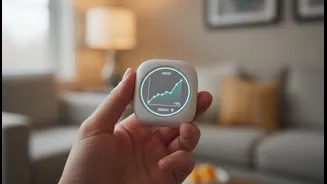
When we say 'tracker', it doesn't have to mean a complex app (though they exist). At its heart, tracking is simply the act of mindful observation. It's about taking a moment to notice how you feel before and after a social event and making a simple note of it. This could be in a dedicated notebook, a notes app on your phone, or a simple mood-tracking journal. The goal is not to become a data-entry robot but to create a personal log that helps you identify patterns. Over time, this practice builds profound self-awareness, allowing you to see which situations, people, and activities consistently lead to positive or negative feelings.
How to Start Your Social Tracker
Getting started is simpler than you think. Find a method that feels easy and sustainable for you. For each social event, try to note a few key variables: 1. The Event: What was the activity? (e.g., big party, dinner with two friends, team meeting at work, phone call with a parent). 2. The People: Who were you with? (e.g., close friends, new acquaintances, family, colleagues). 3. The Setting: Where did it take place? (e.g., noisy bar, quiet cafe, your home, a park). 4. Your Energy Before: On a simple scale of 1-5, how was your mood and energy going into the interaction? 5. Your Energy After: A few hours later, rate your mood and energy again. Did it go up, down, or stay the same? Jotting down a quick line or two is enough. For example: "Dinner with Sara and Ben (close friends) at a quiet restaurant. Felt tired (2/5) before, but energized and happy (4/5) after."
Decoding Your Own Patterns
After a few weeks of consistent, low-effort tracking, you can start looking for patterns. The insights may surprise you. You might discover that you feel most energized after one-on-one conversations, or that interactions longer than two hours tend to drain you, regardless of who you're with. Perhaps you'll find that seeing certain friends leaves you feeling validated and understood, which research shows is particularly beneficial for reducing anxiety. Or you might realize that while you enjoy your colleagues, after-work gatherings are a major source of stress. This isn't about judging your friends or cutting people out; it's about gaining clarity on what nourishes you. Recognizing these triggers and patterns is the first step toward better managing your emotional well-being.
Using Your Insights for a Better Social Life
This newfound self-awareness is your superpower. It empowers you to be more intentional with your time and social energy. Once you know that small-group settings are your sweet spot, you can confidently suggest a quiet dinner instead of a crowded concert. If you know that a particular type of event drains you, you can plan for recovery time afterward or politely decline. This practice helps you build a social life that is aligned with your true needs, not one based on obligations or what you think you 'should' be doing. It allows you to proactively seek out the connections and activities that genuinely boost your mood, reinforce your sense of self, and contribute to a resilient mindset.