







The Powerhouse in Papaya
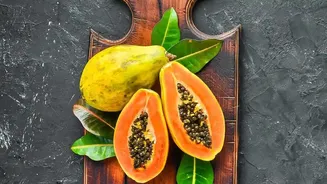
Papaya is rightly celebrated for its impressive nutritional profile. Its most famous component is Vitamin C. In fact, a 100-gram serving of papaya contains about 61 mg of Vitamin C, which is more than what you'd find in a similar amount of orange. This
powerful antioxidant is crucial for a healthy immune system, skin health, and protecting our bodies from damage. Beyond Vitamin C, papaya is also a good source of Vitamin A, folate, and potassium. It also contains a unique enzyme called papain, a proteolytic enzyme that helps break down proteins, which can aid digestion and may have anti-inflammatory properties. This combination of nutrients makes papaya a wonderful addition to any diet.
Why 'Superfoods' Are Never the Whole Story
The term 'superfood' is more of a marketing buzzword than a scientific classification. While papaya is undeniably nutritious, relying on any single food to meet all your needs is a flawed strategy. This is because no single food contains all the essential nutrients our bodies require to function optimally. When we fixate on one 'superfood', we risk neglecting a host of other equally important foods and the unique benefits they provide. A diet rich in goji berries but lacking in leafy greens misses out on vital minerals. A diet heavy on salmon but devoid of legumes overlooks important fibre. The true secret to a healthy diet isn't finding one perfect food, but rather embracing a wide variety of them.
The Strength of a Varied Diet
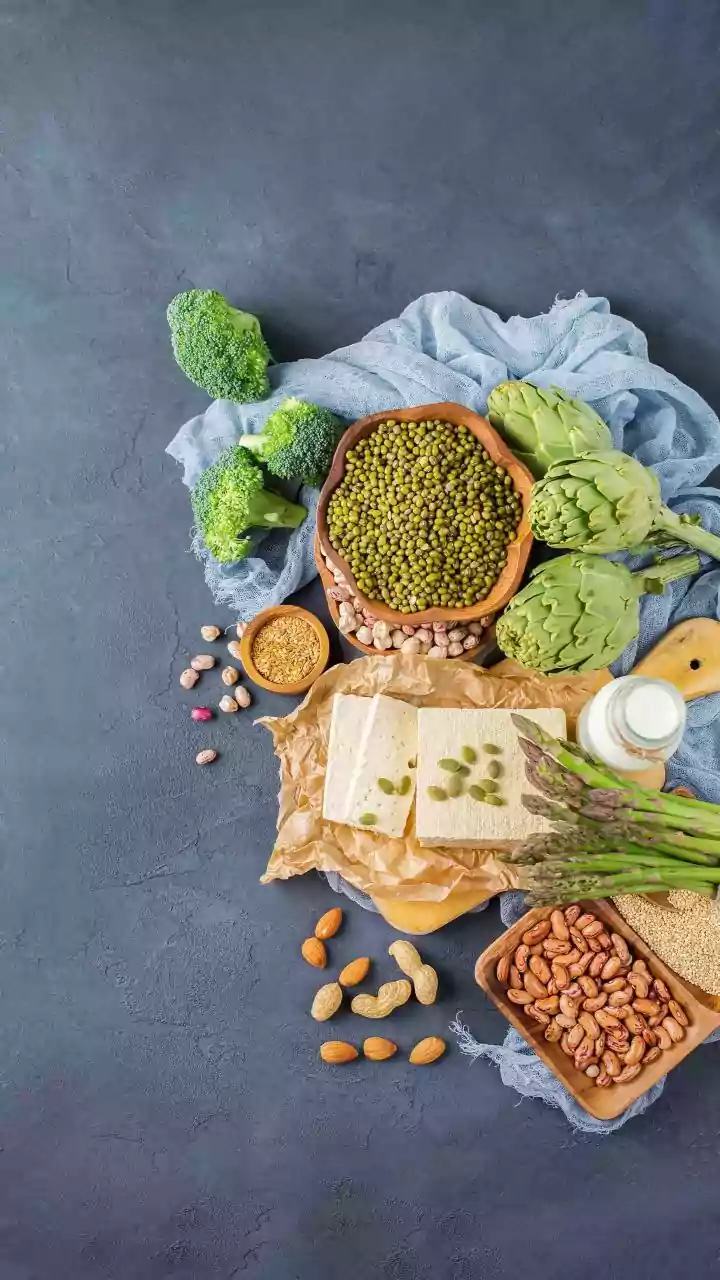
Eating a diverse range of foods ensures you get a broader spectrum of vitamins, minerals, and phytonutrients. Different foods offer different benefits. For example, while papaya gives you a great dose of Vitamin C, oranges provide more calcium. Leafy greens like spinach are rich in iron, and carrots provide beta-carotene for Vitamin A. This concept is often called 'eating the rainbow', where different colours in fruits and vegetables signify different nutritional compounds. In India, this is easy to achieve with our rich bounty of local produce. Amla and guava, for instance, are local powerhouses that contain even more Vitamin C than papaya. By including a mix of fruits, vegetables, grains, and proteins, you create a synergistic effect where nutrients work together, enhancing absorption and overall health.
Building a Balanced, Seasonal Plate
Integrating papaya into a balanced diet is simple. Think of it as one valuable player on a team of nutritional all-stars. Start your day with a bowl of papaya, but perhaps have a side of amla or a guava later. Add a handful of greens to your dal, and snack on seasonal fruits like ber (Indian jujube) or raw mango when available. The key is variety and seasonality. Seasonal foods are often fresher, more flavourful, and more nutrient-dense. A balanced plate could include a portion of papaya for its Vitamin C and papain, some dal for protein and fibre, a serving of brown rice for complex carbohydrates, and a side of sautéed greens for iron and other minerals. This approach not only provides a wider range of nutrients but also keeps meals interesting and enjoyable.
How to Best Enjoy Papaya
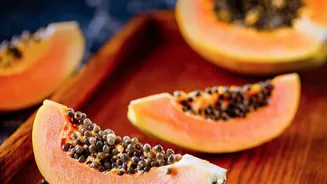
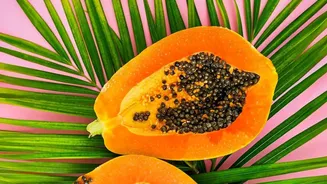
To get the most out of this versatile fruit, enjoy it fresh. A simple squeeze of lime on a few slices of ripe papaya can enhance its flavour and even aid in nutrient absorption. It's a perfect breakfast fruit, a refreshing mid-day snack, or a light dessert. You can also blend it into smoothies, though be mindful that some of the fibre benefits are most potent when the fruit is eaten whole. For a savoury twist, unripe green papaya is a staple in many cuisines, used in salads and curries, where it provides a crunchy texture and readily absorbs flavours. Whether sweet or savoury, ripe or raw, papaya is a delicious and healthy fruit to be enjoyed as part of a diverse and colourful diet.