

A New Eye on the Cosmos
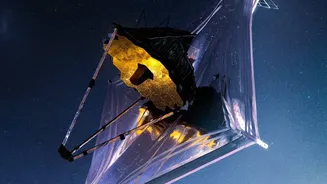
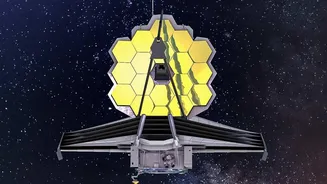
Meet the Nancy Grace Roman Space Telescope, NASA's next-generation observatory. Launched in August 2026, it is currently on a journey to a stable orbit about 1.5 million kilometres from Earth. Named after Nancy Grace Roman, NASA’s first Chief of Astronomy
and the 'mother of Hubble', this telescope has a grand ambition. Its primary goal is not just to see farther, but to see wider. Over its five-year primary mission, Roman will conduct massive surveys of the sky, aiming to tackle some of the most profound questions in astrophysics, particularly those concerning dark energy and dark matter.
The Panoramic Universe
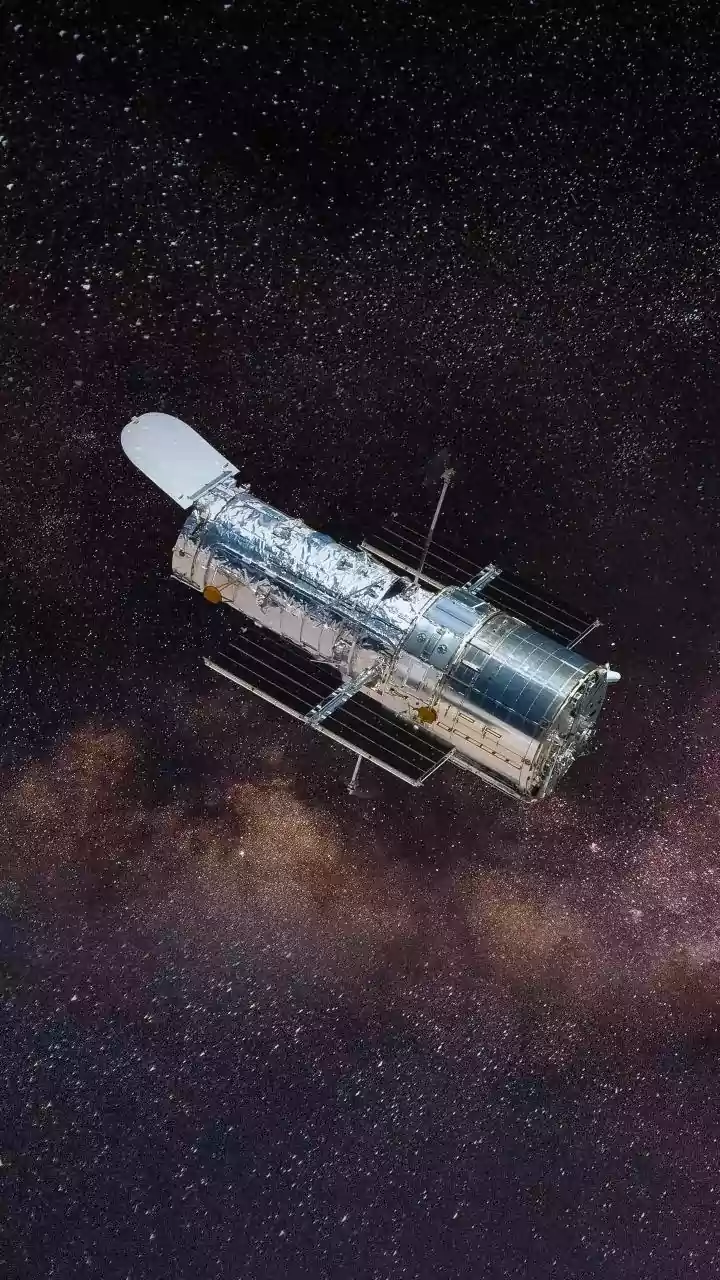
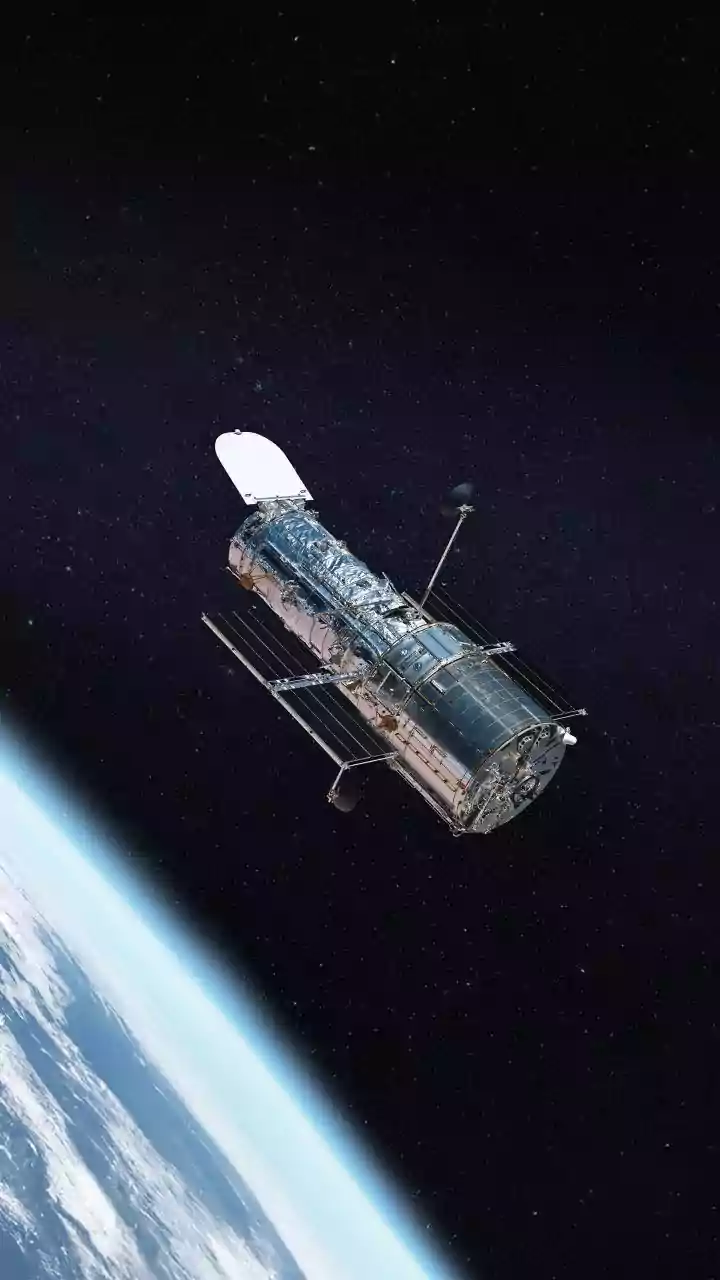
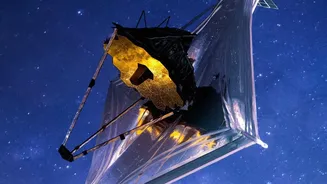
If the Hubble and James Webb Space Telescopes are like microscopes, providing incredibly detailed, close-up views of small patches of the sky, Roman is like a panoramic camera. Its key feature is its Wide Field Instrument, which gives it a field of view 100 times larger than Hubble's. This means Roman can map the sky at a blistering pace, up to a thousand times faster than Hubble. In a couple of months, it can survey an area that would take Hubble decades to cover. This big-picture capability is essential for studying the largest cosmic structures and the mysterious forces that shape them. While Hubble and Webb zoom in on individual cosmic wonders, Roman will provide the map showing how everything fits together.
Hunting for Dark Secrets
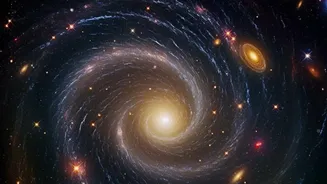
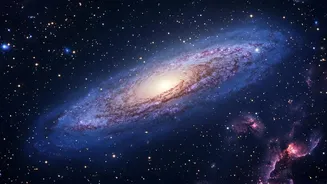
About 95% of the universe is made of things we cannot see: dark matter and dark energy. Dark matter provides the gravitational scaffolding that holds galaxies together, while dark energy is the mysterious force causing the universe's expansion to speed up. Roman will investigate these phenomena in two main ways. It will create a massive 3D map of millions of galaxies to trace the history of cosmic expansion and how structures grew over time. It will also study a phenomenon called weak gravitational lensing, where the gravity of dark matter slightly distorts the light from distant galaxies. By measuring these tiny distortions across huge areas, astronomers can map the invisible distribution of dark matter.
Measuring the Cosmic Ladder
To measure the expansion of the universe, astronomers use 'standard candles'—objects with a known intrinsic brightness. Roman will hunt for thousands of Type Ia supernovae, a specific type of exploding star, across vast stretches of time and space. By comparing how bright these supernovae appear with how bright they're known to be, scientists can calculate their distance. This data, combined with measurements of how fast they are moving away from us, allows for a precise measurement of the cosmic expansion rate at different times in the universe's history. Roman's huge survey will provide ten times more precision than current measurements, helping scientists understand the nature of dark energy.
More Than Just the Darkness
While its primary mission focuses on cosmology, Roman is a versatile tool. It will also conduct a huge census of exoplanets, worlds orbiting other stars. Using a technique called gravitational microlensing, Roman is expected to find thousands of new planets, from massive gas giants to small, rocky worlds, providing a clearer picture of how common different types of planetary systems are in our galaxy. The telescope is powerful enough to find planets with a mass only a few times that of our Moon. The observatory’s Coronagraph Instrument will also be a game-changer, as it's designed to block the light from a star to take direct images of the planets orbiting it.