

A Sweet and Surprising Tradition
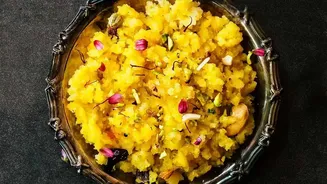
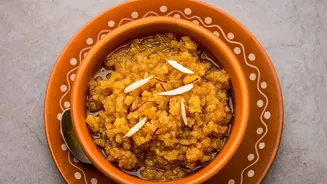
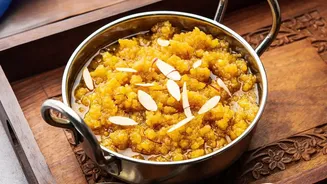
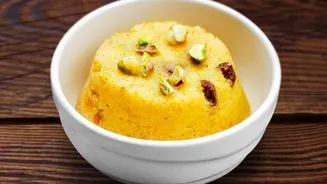
Aloo ka Halwa, or potato pudding, is a popular dessert, especially in Uttar Pradesh, known for its rich texture and comforting warmth. While using a vegetable in a dessert might seem unconventional, it's a common practice in Indian cuisine, with halwas
made from carrots, gourds, and lentils being staples. The potato version, however, holds a special place. It is particularly popular during religious fasts like Navratri or Ekadashi, where grains are avoided. Rich in carbohydrates from the potato and energy from sugar and ghee, it provides a fulfilling and permitted indulgence during periods of fasting.
Why Potatoes Create the Perfect Halwa
The secret to Aloo Halwa's incredible texture lies in the potato's high starch content. When boiled and mashed potatoes are slow-cooked in ghee, the starches begin to toast, lending a nutty aroma and a beautiful golden hue. As milk and sugar are introduced, the mixture transforms. The starch acts as a natural thickener, creating a consistency that is dense, creamy, and almost fudgy. Unlike grain-based desserts, potato halwa is naturally gluten-free, making it an excellent choice for those with sensitivities. The neutral flavour of the potato also makes it a perfect canvas for aromatic spices like cardamom and the richness of ghee.
The Essential Ingredients
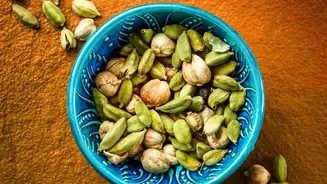
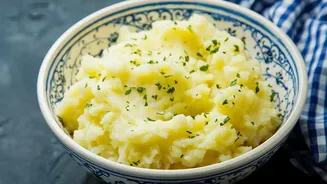
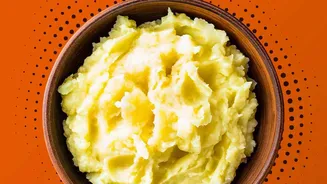
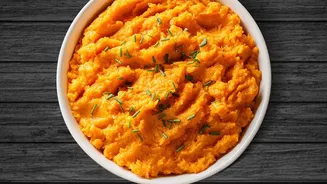
The beauty of this dish lies in its simplicity, requiring only a handful of kitchen staples. You will need about four medium-sized potatoes, boiled, peeled, and thoroughly mashed until smooth. It’s crucial to ensure there are no lumps. You’ll also need sugar, milk, and most importantly, pure ghee, which provides the signature flavour and aroma. For flavouring, a pinch of ground cardamom is classic. Finally, a garnish of chopped nuts like almonds, cashews, or pistachios adds a delightful crunch and richness.
From Potato to Pudding: The Method
Begin by heating a generous amount of ghee in a heavy-bottomed or non-stick pan over low heat. Add the mashed potatoes and sauté continuously. This is the most crucial step; you must keep stirring to prevent the potatoes from sticking and to ensure even cooking. After about 10-12 minutes, the potatoes will turn a light golden color and release a pleasant aroma. At this point, add the sugar and milk, stirring vigorously to break up any potential lumps. The mixture will become liquid at first as the sugar melts, but don't worry. Continue to cook on a medium flame, stirring constantly, until the halwa thickens again and starts to pull away from the sides of the pan. This process should take another 8-10 minutes. Finally, stir in the cardamom powder and your choice of chopped nuts, reserving some for garnish.
Tips for Halwa Perfection
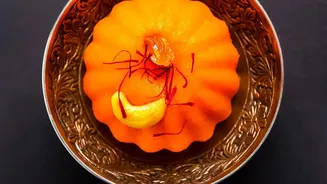
To achieve the best results, always use well-boiled and smoothly mashed potatoes; any lumps will affect the final texture. Roasting the potatoes in ghee is a step that requires patience. Do not rush it, as this is where the flavour develops. Be generous with the ghee; it is essential for both the taste and to prevent sticking. Constant stirring is non-negotiable, especially after adding the sugar, to avoid scorching. For a richer flavour, you can add a few strands of saffron soaked in warm milk along with the sugar. The halwa is best served warm, allowing its creamy texture and aromatic flavours to shine.