





The New Global Leader
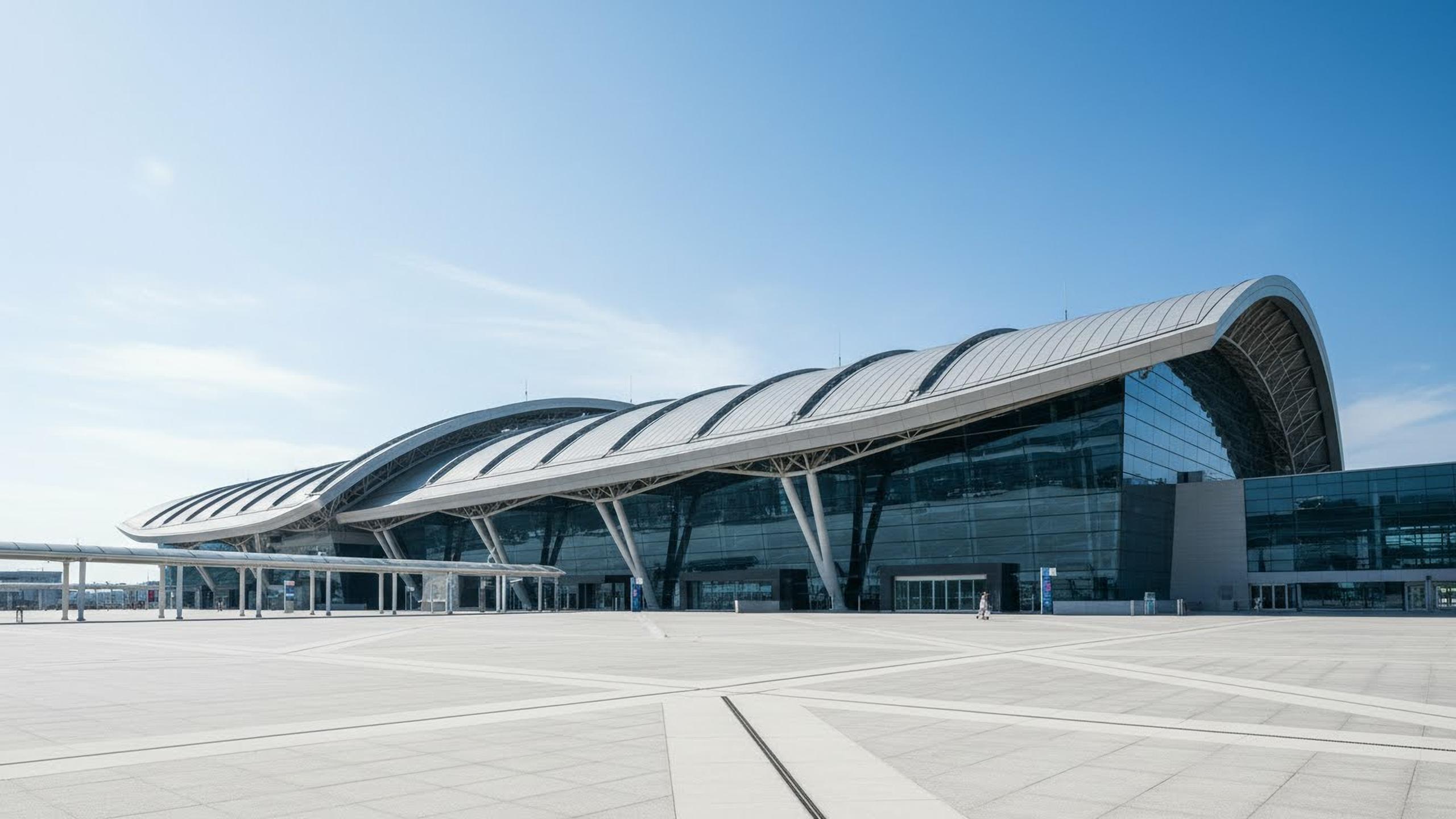
In a significant reshuffling of global aviation rankings, South Korea's Incheon International Airport (ICN) has become the world's number one airport for international passenger traffic. According to the latest preliminary data from Airports Council International for the first
half of 2026, Incheon handled an impressive 38.39 million international passengers. This figure places it just ahead of long-time frontrunners like London's Heathrow Airport, which saw 37.79 million passengers, and Singapore's Changi Airport with 34.53 million. This is the first time Incheon has secured the top spot since it opened in 2001, marking a meteoric rise from its third-place ranking in 2024 and 2025. The achievement reflects not only a surge in its own traffic but also a change in the dynamics of worldwide travel, with former leader Dubai International Airport expected to fall out of the top five.
Strategic Growth and Shifting Routes
Incheon's ascent to the top wasn't a matter of chance; it's the result of strategic planning and unforeseen geopolitical shifts. A recent conflict in the Middle East disrupted traffic through traditional hub-and-spoke leaders like Dubai, diverting a significant flow of passengers. Incheon capitalized on this, seeing a dramatic 63.2% surge in transfer passengers on European routes. Overall, transit passengers at Incheon increased by 18.1% in the first half of 2026 alone. The airport has also benefited from its own aggressive expansion. The completion of its fourth phase of construction has boosted its annual capacity to 106 million passengers, making it the third-largest in the world by capacity. With 101 airlines connecting to 183 cities, Incheon now boasts a more extensive network than rivals in Hong Kong and Japan.
The 'K-Wave' Factor
Beyond logistics, South Korea's cultural explosion—the 'Hallyu' or Korean Wave—has played a crucial role in Incheon's success. The global obsession with K-pop, K-dramas, and Korean cuisine has transformed South Korea into a primary destination rather than just a layover point. This is reflected in the airport's passenger demographics; foreign travelers accounted for a record-breaking 44.4% of all passengers in the second quarter of 2026. The surge in inbound tourists, particularly from China and Japan, has provided a massive boost. The airport itself has leaned into this, offering cultural performances and art exhibitions, turning the terminal into the first stop of a Korean cultural adventure for many visitors. This cultural magnetism directly feeds passenger growth and has become a powerful economic driver for the entire tourism industry.
A Blueprint for the Future Airport
Incheon's strategy is firmly focused on the future, blending massive infrastructure with cutting-edge technology. The airport is investing heavily in becoming a 'smart port' powered by artificial intelligence and is developing infrastructure for urban air mobility. This 'Incheon 4.0' vision aims to transform the airport from a simple transportation hub into a 'real-world testbed for emerging technologies'. For passengers, this translates into a more seamless experience, from biometric security checks to efficient, robot-assisted services. For the Indian traveler, the airport's rise brings tangible benefits. Direct flights from major Indian cities like New Delhi are operated by carriers such as Air India and Korean Air, making it an increasingly crucial gateway to East Asia and a primary hub for connecting flights to North America.