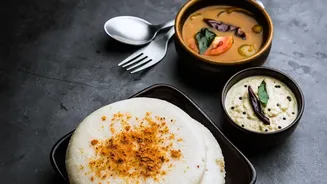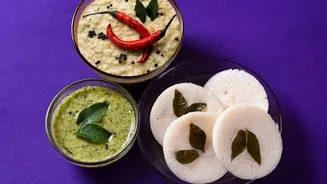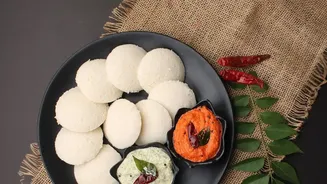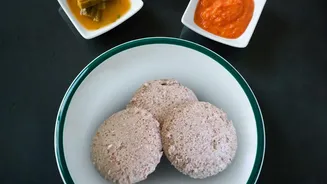



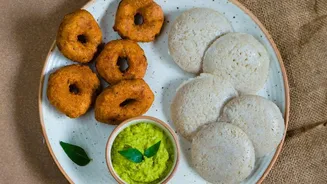
The Foundation: A Flawlessly Soft Idli
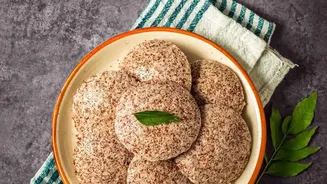
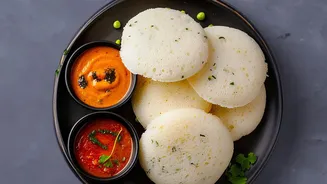
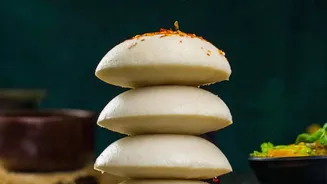
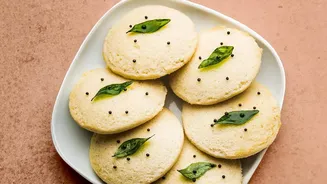
The journey to perfect podi idli begins long before the ghee hits the pan; it starts with the idli itself. A hard, dense idli can never be saved, no matter how good the podi. The secret to a soft, spongy idli lies in the batter. The classic ratio is typically
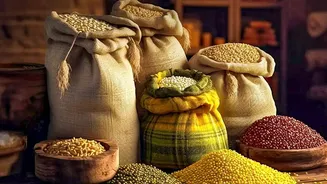
4:1 or 3:1 of idli rice to urad dal. Using high-quality, fresh urad dal is crucial, as older dal loses its ability to ferment and create the air pockets necessary for a fluffy texture. Many experts also recommend adding a handful of poha (beaten rice) or a spoonful of fenugreek seeds to the soaking stage, which aids fermentation and softness. The grinding process is just as important. The dal should be ground to a light, airy, cream-like consistency, while the rice should remain slightly coarse, like fine semolina. Grinding the rice too smooth is a common mistake that leads to gummy idlis. Perhaps the most critical step is fermentation. The batter must be left in a warm place for at least 8-12 hours until it has visibly risen. This natural leavening process creates the carbon dioxide that results in a light, porous structure. Finally, steaming should be brief, typically 10-12 minutes. Over-steaming is a frequent culprit behind tough idlis as it dries them out.
The Soul of the Dish: The Perfect Podi
Podi, also known as 'milagai podi' or 'gunpowder', is the heart of the dish's flavour. This aromatic, spicy powder is far from a single-ingredient spice. A traditional podi is a masterful blend of roasted lentils, seeds, and chillies. The most common components are urad dal, chana dal, dried red chillies, and sesame seeds, with asafoetida (hing) providing its signature pungent aroma. Variations abound across regions and households. Some recipes include coconut for a nutty sweetness, while others might add cumin or curry leaves for extra depth. The key to a flavourful podi is roasting each ingredient separately until fragrant, as they all have different cooking times. Uneven roasting can lead to a bitter taste. The texture of the grind is also a matter of preference. Some prefer a fine powder, while others enjoy a slightly coarse texture that gives a delightful crunch. This powder isn't just for flavour; the lentils in the podi contribute to the subtle crispiness of the final dish when toasted in ghee.
The Final Act: The Art of Assembly
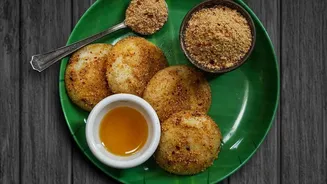
This is where the magic happens, transforming soft idlis and fragrant podi into a unified masterpiece. The secret to the soft centre and spiced exterior lies in the technique. The method is not simply mixing everything together. For the best results, start with idlis that have cooled slightly, as freshly steamed ones can break apart. Many recipes recommend using mini idlis, as their higher surface-area-to-volume ratio allows for a better coating. The process begins by heating a generous amount of high-quality ghee in a pan. Some chefs add mustard seeds and curry leaves for an extra layer of flavour, a step known as tempering. The idlis are then added to the hot ghee and toasted gently. This step is crucial: it’s where the exterior of the soft idli begins to form a delicate, golden-brown crust. Once the idlis are lightly crisped, the heat is lowered before the podi is sprinkled over them. Tossing the idlis in the podi off the high heat prevents the spices from burning and becoming bitter. The residual heat of the pan and the ghee is enough to toast the podi, releasing its full aroma and allowing it to cling to every surface of the idli. The ghee acts as a binding agent, ensuring the podi adheres perfectly while creating that irresistible spiced crust.