







The Problem with Averages
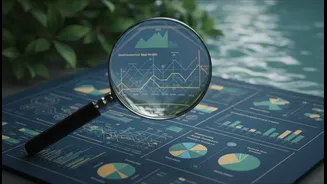
Relying on a single national number for climate change is like a doctor checking your body's average temperature while ignoring that your head is overheating. It’s a dangerously misleading simplification. A national average might suggest a manageable
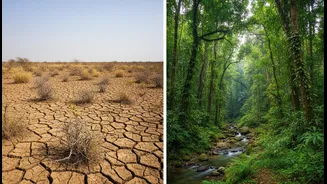
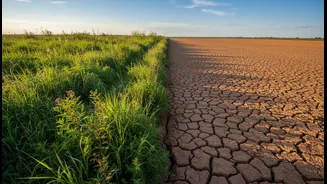
1.5°C rise in temperature, but this hides a more complex and perilous reality. Within that average, some regions might experience devastating heatwaves and droughts, while others face unprecedented floods from extreme rainfall. This variation is not just noise in the data; it is the data. Global models are useful for seeing the big picture, but regional models, which zoom in with finer resolution, are better suited for understanding how climate change will actually affect communities, agriculture, and local ecosystems.
What New Projections Reveal for India
Recent studies using advanced climate models, like the CMIP6 framework, are painting a stark picture for India that national averages simply cannot. A study from Azim Premji University, for instance, projects that by 2040, India's coastal regions will face wildly different futures. The west coast, particularly districts in Gujarat and Maharashtra, is expected to get significantly wetter during the monsoon season. The Kachchh region could see a 31% increase in average monsoon rainfall compared to historical levels. Meanwhile, coastal areas in Odisha and West Bengal may experience a reduction in rainfall. On the temperature front, about 40 coastal districts are projected to see summer average maximum temperatures rise by over 1°C, with Kerala's Ernakulam district facing a 1.3°C increase. These projections highlight that India won't experience one uniform climate crisis, but a series of distinct, regional ones.
From Data to Regional Action
If the problems are regional, the solutions must be too. This is the core of regional ecosystem management. It means moving away from one-size-fits-all national policies and developing strategies tailored to local realities. For a farmer in a drought-prone area, this could mean implementing water-harvesting techniques and planting drought-resistant crops. For a coastal community facing increased storm surges and rising sea levels, it could mean investing in mangrove restoration and building resilient infrastructure. This adaptive management approach uses continuous monitoring to plan, implement, and modify strategies in the face of uncertainty. It’s about creating a flexible response system that can evolve as our understanding of regional climate impacts improves.
A Tale of Two Ecosystems: Coasts and Mountains
Consider the contrast between India’s coasts and its Himalayan region. A national policy can't effectively address the simultaneous challenges of rising sea levels threatening coastal settlements and melting glaciers in the north. Along the coast, rising salinity in the Sundarbans is creating health issues and impacting livelihoods, while unseasonal rains in Goa are destroying salt harvests. In the Himalayas, glaciers are receding at an alarming rate, which could initially cause flooding in river valleys before leading to long-term water scarcity for millions who depend on glacier-fed rivers. Managing these diverse ecosystems requires distinct strategies: protecting coastal wetlands and freshwater sources in one area, while focusing on glacial monitoring, water storage, and slope stabilization in another. A national average rainfall or temperature figure is irrelevant to the specific needs of these vastly different environments.
The Policy Shift to Local Empowerment
Embracing regional management requires a fundamental shift in governance. It means empowering local and state-level bodies with the data, funding, and authority to act. High-resolution climate projections must be made accessible to district-level planners, agricultural extension officers, and community leaders. This allows for the development of strategies that are genuinely adapted to the landscape. Instead of a single national target, success would be measured by the resilience of each region. This involves investing in regional climate monitoring, supporting local research institutions, and creating platforms for stakeholders—from farmers and fisherfolk to businesses and local officials—to participate in planning. The goal is to build resilience from the ground up, recognizing that a nation is only as strong as its most vulnerable region.