


What Is a Natural Dam?
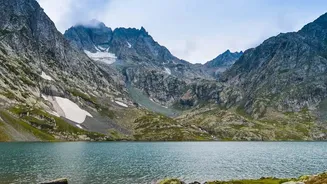
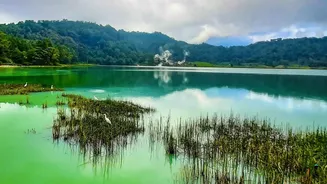
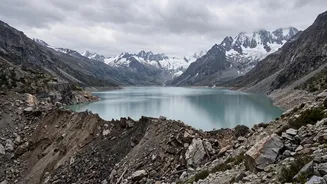
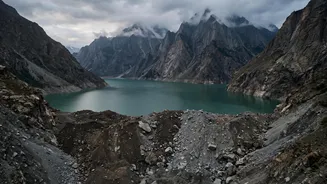
A natural dam, also known as a landslide dam, is an impromptu barrier that blocks a river. These are not engineered structures but chaotic piles of rock, soil, and debris. In mountainous regions like the Himalayas, they typically form when a massive landslide—often
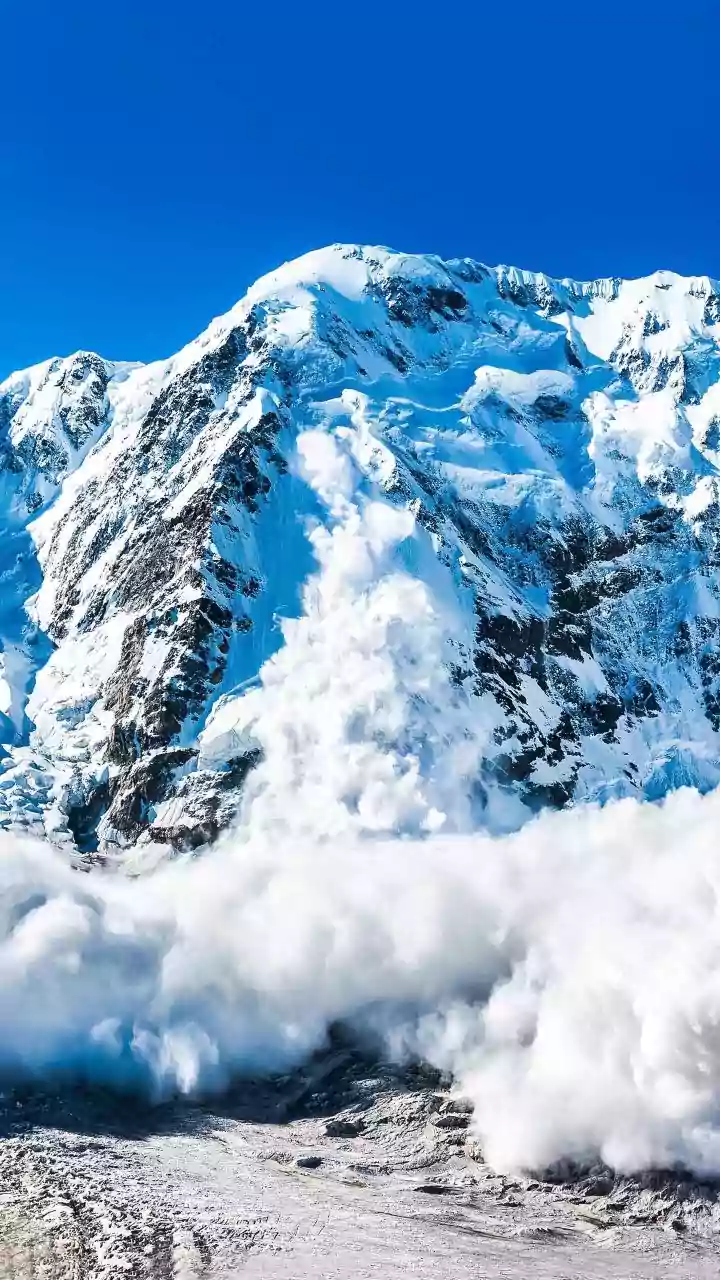
triggered by heavy rain or an earthquake—plunges down a steep valley, choking the river channel completely. The recent devastating floods in Nepal, which began on August 26, 2026, are believed to have been triggered by an ice-and-rock avalanche that blocked the Lhende Khola, a tributary of the Bhote Koshi River. This blockage created a barrier, and the river water, with nowhere to go, began to accumulate behind it, forming a rapidly growing lake.
A Ticking Time Bomb
The primary danger of a natural dam lies in its instability. Unlike concrete dams, these barriers are made of loose, unconsolidated material. As the lake behind the dam deepens, the pressure on this makeshift wall mounts relentlessly. At the same time, water begins to seep through the debris, weakening it from within. The dam faces two potential failure scenarios. The first is overtopping, where the lake level rises above the dam's crest, and water spills over, rapidly eroding the loose material. The second is a complete structural collapse, where the immense water pressure causes the entire dam to give way. Studies show that many landslide dams are extremely short-lived; about half fail within ten days of their formation, making them a ticking time bomb for anyone downstream.
The Fury of an Outburst Flood
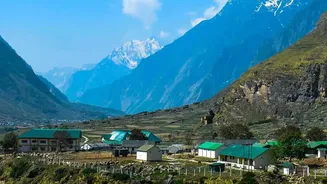
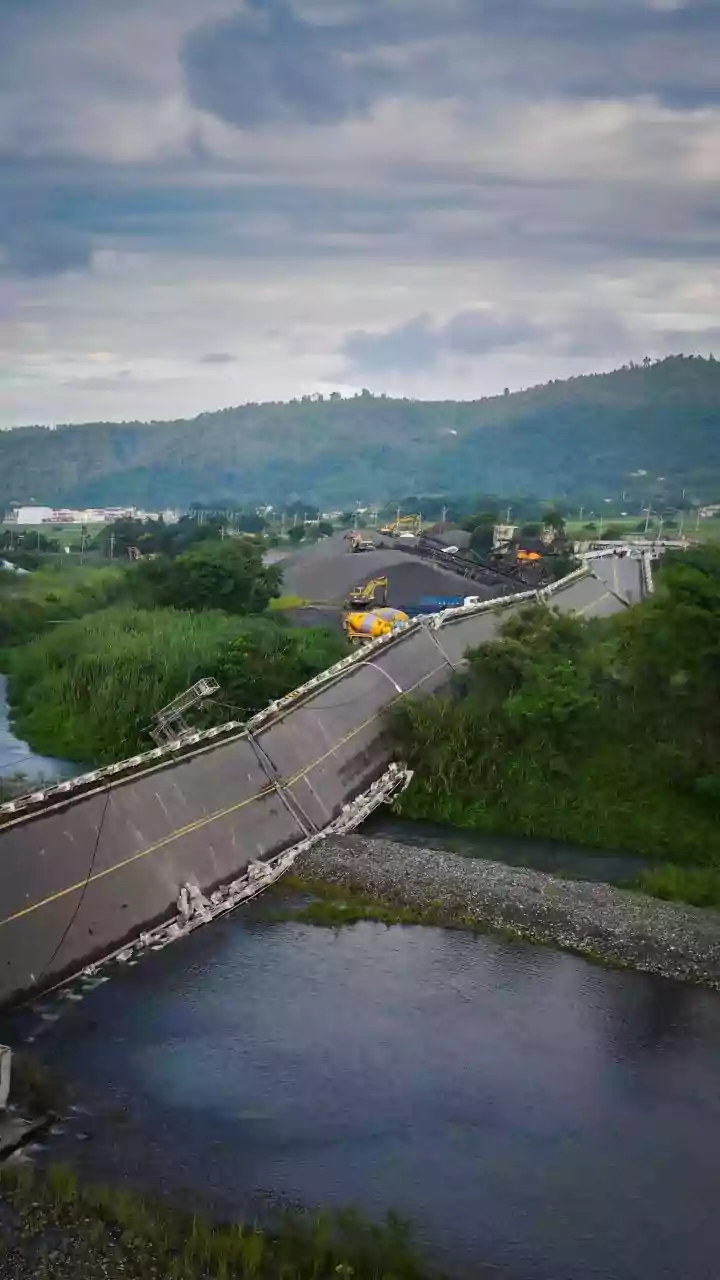
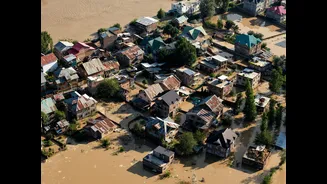
The failure of a natural dam results in a Landslide Dam Outburst Flood (LDOF), a phenomenon vastly more destructive than a typical monsoon flood. This is not just a release of water, but a sudden, violent unleashing of a thick, fast-moving slurry of water, mud, boulders, and debris. This torrent moves with incredible force, capable of destroying concrete buildings, scouring river valleys, and sweeping away bridges and roads. In the recent Nepal disaster, the floodwaters were powerful enough to carry bodies of victims 240 km downstream into parts of Uttar Pradesh in India. The sheer destructive power obliterated entire settlements and critical infrastructure, including hydropower projects and the main road linking Nepal to Tibet.
A Growing Himalayan Threat
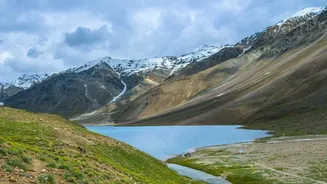
The Himalayas are particularly susceptible to the formation of these dangerous dams. The combination of steep, fragile mountains, intense monsoon rainfall, and seismic activity creates the perfect conditions for landslides. Climate change is amplifying this risk. As global temperatures rise, glaciers are retreating, leaving behind unstable slopes and moraines (ridges of rock and soil) that can collapse. Events like the one in Nepal are sometimes categorized as Glacial Lake Outburst Floods (GLOFs) when melting glaciers are the primary source of water, but the mechanism of a sudden dam breach remains the central threat. This increasing frequency of extreme weather events means that both GLOFs and LDOFs are becoming a more prominent hazard across the region.
Why This Matters for India
A disaster high in the mountains of Nepal does not respect international borders. Many of the major rivers that flow through northern India, particularly through states like Bihar and Uttar Pradesh, originate in the Himalayas in Nepal. The Gandak (known as the Narayani in Nepal) and Kosi rivers are major examples. A catastrophic outburst flood upstream can send a surge of water and debris hurtling into Indian territory with little warning. The recent Nepal flood, which saw bodies recovered in Kushinagar and Maharajganj districts of Uttar Pradesh, is a grim reminder of this cross-border risk. Indian authorities have to monitor river levels closely during such events and prepare for potential downstream impacts, including deploying disaster response teams in border areas. The safety of millions in India is directly linked to the stability of the Himalayan slopes hundreds of kilometres away.