



Beyond the Northern Giants
For decades, the global conversation around Indian tea has been dominated by two powerhouses. Assam, from the low-lying, humid plains of the northeast, is known for its strong, malty, and robust character—the backbone of countless breakfast blends. Darjeeling,
grown on the steep Himalayan slopes, is celebrated for its delicate, complex, and floral notes, often called the 'champagne of teas'. These two regions have rightfully earned their fame, but their prominence has often overshadowed India's third major tea-growing region, one with a history and flavour profile entirely its own. In the south, nestled where the Western and Eastern Ghats converge, the Nilgiri Hills produce a tea that is not a supporting actor but a star in its own right, offering a completely different experience that is central to South Indian culture.
The Treasure of the Blue Mountains
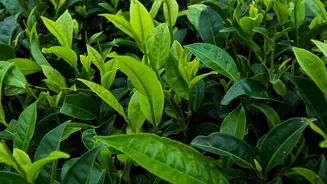
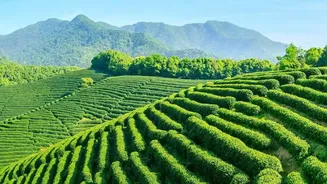
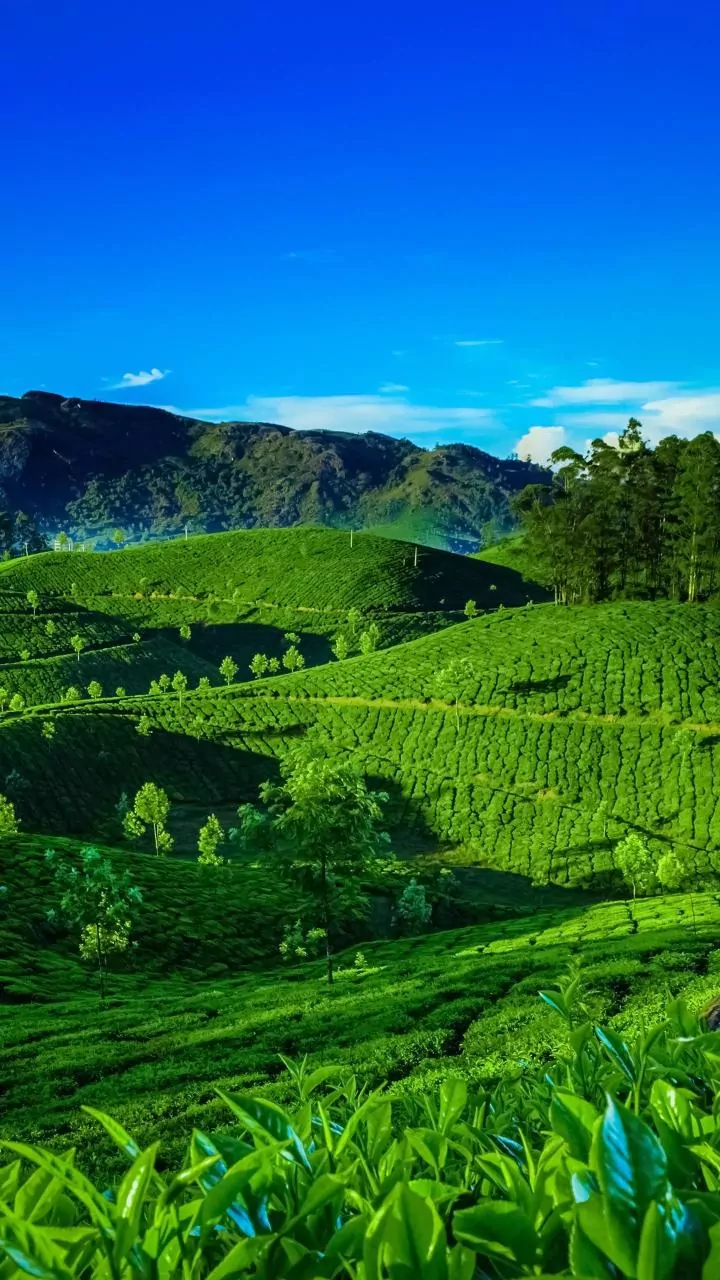
Nilgiri, which translates to 'Blue Mountains', is a stunningly scenic region with hills rising to over 8,000 feet. Unlike the seasonal harvests of Assam and Darjeeling, the tea plant here, Camellia sinensis, is cultivated year-round. This is thanks to the unique climate, which benefits from two separate monsoons and cool, misty weather, creating conditions similar to Sri Lanka's tea-growing regions. This steady growing cycle allows for a consistent harvest, but it's the high altitude that truly defines the tea's character. The slower growth in the cool mountain air concentrates the aromatic compounds in the leaves. The surrounding eucalyptus trees and other flora are also thought to contribute to its uniquely fragrant profile, creating a 'terroir' that cannot be replicated elsewhere. This distinctive quality led to Nilgiri Orthodox tea earning a Geographical Indication (GI) tag in 2008, legally protecting its name and origin.
A Profile in Fragrance and Flavour
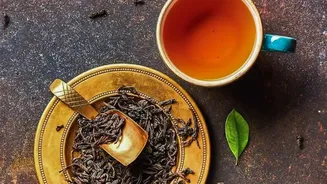
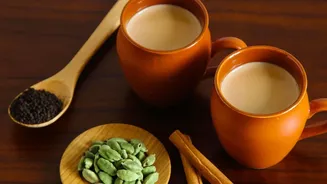
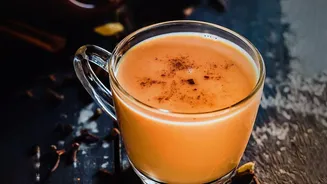
So, what does Nilgiri tea actually taste like? It is most often described as 'brisk'—a term for its lively, intensely aromatic quality. The flavour is bright, clean, and well-balanced, with prominent floral and fruity notes. Unlike the powerful astringency of some Assam teas, Nilgiri tea is smooth and mellow, with naturally low levels of tannins. This makes it incredibly versatile. It is excellent enjoyed on its own, showcasing its delicate aroma, but also holds up well with milk and sugar, making it a popular base for the lighter, less spiced chai common in South India. One of its most celebrated properties is its remarkable clarity when chilled. While other black teas often turn cloudy and bitter when iced, Nilgiri tea remains bright and clear, making a global favourite for high-quality iced tea.
A Distinct Southern Heritage
Tea was first planted experimentally in the Nilgiris in the 1830s, with commercial production beginning in the 1860s. While initiated during the British era, the region's industry evolved differently from its northern counterparts. After independence, for several decades, a significant portion of Nilgiri tea was produced for the Soviet bloc, which favoured mass-produced, lower-cost Crush, Tear, Curl (CTC) teas. However, in recent decades, there has been a concerted effort by planters to return to producing high-quality orthodox teas, as well as experimenting with green, white, and oolong varieties. The industry structure is also unique, comprising a mix of large estates and thousands of small, independent growers who often own just an acre or two of land and sell their leaves to nearby factories. This system gives the region's production a distinct community-driven character.