






The Peace Lily: Elegant and Expressive
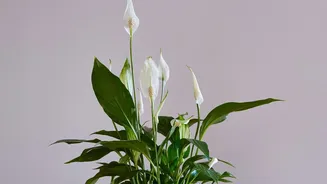
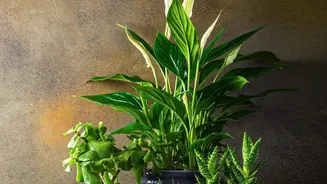
The Peace Lily (Spathiphyllum) is a long-standing favourite in Indian homes for good reason. Its glossy, dark green leaves provide a lush backdrop for its iconic white blooms, which are not true lilies but modified leaves called 'spathes'. This plant
adds a touch of sophistication to any room, but its popularity also stems from its easy-going nature. It’s a great communicator; its leaves will visibly droop when it's thirsty, making it an excellent choice for beginners who are still learning to read a plant's needs. Peace Lilies thrive in medium to low indirect light, making them adaptable to various indoor settings like bedrooms or offices where direct sun is scarce. They prefer consistently moist soil but dislike being waterlogged. Beyond aesthetics, they are also known for being excellent air purifiers, helping to filter common indoor toxins.
The Snake Plant: Striking and Self-Sufficient
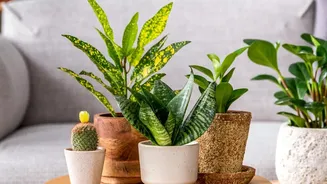
The Snake Plant (Sansevieria), also cheekily known as Mother-in-Law's Tongue, is the definition of a resilient houseplant. Its stiff, architectural leaves shoot straight up, adding a modern, sculptural element to interiors. This plant is famously hard to kill, thriving on neglect and making it perfect for busy individuals or frequent travellers. Snake Plants are succulents that store water in their leaves, so they require infrequent watering—only once every few weeks is often enough. They are incredibly versatile with light, tolerating both low-light corners and bright, indirect sun. A unique benefit is their ability to release oxygen at night, which is the opposite of most plants, making them a popular choice for bedrooms to improve sleep quality. According to NASA research, they are also effective at filtering toxins like formaldehyde and benzene from the air.
The ZZ Plant: The Indestructible Favourite
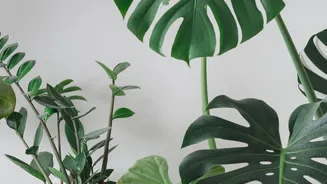
If you're looking for a plant that truly thrives on being ignored, meet the ZZ Plant (Zamioculcas zamiifolia). With its wide, waxy, dark green leaves, it adds a vibrant, polished look to any space. The ZZ Plant is a champion of low-maintenance care. It is exceptionally drought-tolerant thanks to its rhizomatous roots that store water, meaning it needs watering only once every 2-3 weeks, or even less in low light. It's perfectly happy in low-light conditions, making it ideal for apartments, hallways, or offices that don't get much natural sun. In fact, its main enemy is too much direct sunlight and overwatering. For anyone convinced they lack a 'green thumb', the hardy ZZ plant is often the one that proves them wrong.
The Money Plant: A Household Staple
No list of popular Indian houseplants would be complete without the Money Plant (Epipremnum aureum or Pothos). This fast-growing vine is a common sight in homes across the country, celebrated for its heart-shaped leaves and its association with good fortune and prosperity according to Vastu Shastra. One of its greatest strengths is its versatility; it can be grown in either soil or a simple bottle of water. It's incredibly easy to care for, thriving in indirect light and requiring minimal attention. According to Vastu experts, placing a money plant in the south-east corner of a room is believed to attract wealth. Its trailing vines look beautiful in hanging baskets or placed on shelves, adding a cascade of greenery to your decor.
The Spider Plant: The Prolific Purifier
The Spider Plant (Chlorophytum comosum) is another beginner-friendly favourite, easily recognised by its arching leaves and the small 'spiderettes' or baby plants that dangle from the mother plant. These plants are renowned for their air-purifying capabilities and were featured in NASA's Clean Air Study for their effectiveness in removing toxins like formaldehyde and xylene from the air. They are adaptable and forgiving, preferring bright, indirect light but tolerating lower light levels. They also help increase indoor humidity, which can make breathing more comfortable. Their non-toxic nature makes them a safe choice for homes with pets and children. Easy to propagate and care for, the Spider Plant is a generous plant that keeps on giving.