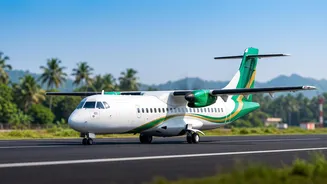








For years, travelers from Kerala have faced the frustration of soaring airfares, especially to Gulf countries. Now, a bold new proposal seeks to address this by launching India's first-ever airline based on a co-operative model.
What Is the New Airline Proposal?
The Kerala government has
officially approved a proposal from the Kerala Civil Aviation Development Cooperative Society to launch a new airline. Tentatively named 'Co-Keralam', the initiative was announced by Chief Minister V.D. Satheesan and is being spearheaded by C.N. Vijayakrishnan, a respected figure known for his leadership at the MVR Cancer Centre and other cooperative ventures. The core idea is to create an airline that breaks from the traditional corporate structure, aiming to offer more affordable and accessible regional air travel. The state has given its permission for the cooperative to move forward, marking a significant first step for what could be a pioneering venture in India's aviation sector.
A People-Powered Funding Model
Unlike typical airlines funded by large corporations or state treasuries, Co-Keralam plans to raise capital through the cooperative movement. The financing model involves around 200 cooperative societies from across Kerala investing ₹2 crore each, which could generate a starting capital of ₹400 crore. This approach is inspired by the successful public-private partnership model used to build Cochin International Airport (CIAL) and aims to be financially independent of direct state government funding. By pooling resources from various cooperative institutions, the project hopes to create an airline that is essentially owned by and operated for the benefit of its community stakeholders, expanding the cooperative model beyond its usual domains of banking and agriculture.
Connecting Kerala's Neighbours
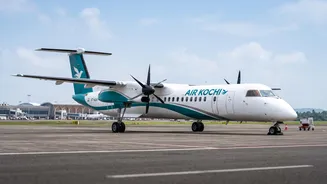
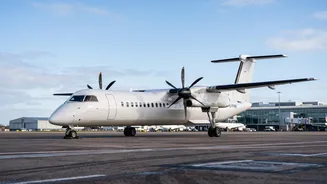
The initial plan for Co-Keralam is to improve regional connectivity. The airline proposes to start operations from Kochi by leasing two 72-seater aircraft. The proposed routes would not only connect cities within Kerala, such as Kozhikode and Kannur, but also extend to key neighbouring destinations including Bengaluru, Mangaluru, Chennai, Coimbatore, and Madurai. This focus on regional routes addresses a gap in the current market, potentially providing faster and more direct travel options for passengers in southern India. Proposed fares are projected to range from ₹3,500 to ₹7,000, which could introduce healthy competition on these short-haul routes.
An Answer to Long-Standing Travel Woes?
The idea of a Kerala-centric airline is not new. For decades, Keralites, particularly the large expatriate community in the Middle East, have grappled with exorbitant ticket prices during peak travel seasons. Previous governmentled projects like 'Air Kerala' were proposed as early as 2005 to tackle this very issue but were repeatedly stalled due to regulatory hurdles and other challenges. This new cooperative proposal revives that ambition, but with a different, communitydriven approach. While the initial focus is on domestic routes, the longterm vision for such an airline has always included services to the Gulf region, where millions of Keralites work and live.
Significant Headwinds and Challenges Ahead
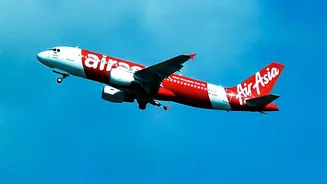
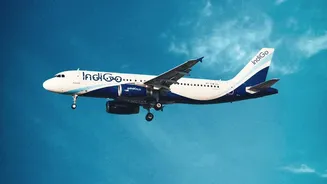
Despite the government's approval, the journey from concept to takeoff is fraught with challenges. India's aviation market is notoriously difficult, with high operational costs, thin profit margins, and intense competition from established giants like IndiGo and Air India. The industry is capitalintensive and unforgiving of missteps, as seen by the history of many failed airlines in the country. CoKeralam will need to navigate a complex regulatory environment overseen by the Directorate General of Civil Aviation (DGCA) to secure all necessary permits and an Air Operator Certificate. While the cooperative funding model is innovative, ensuring sustained financial stamina and operational efficiency will be crucial for its survival and success in a turbulent market.