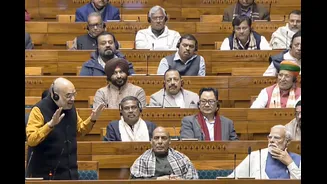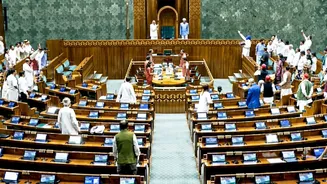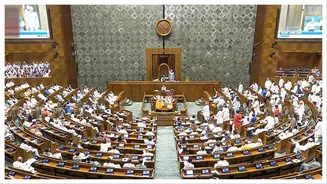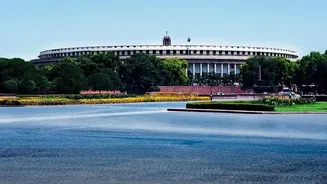





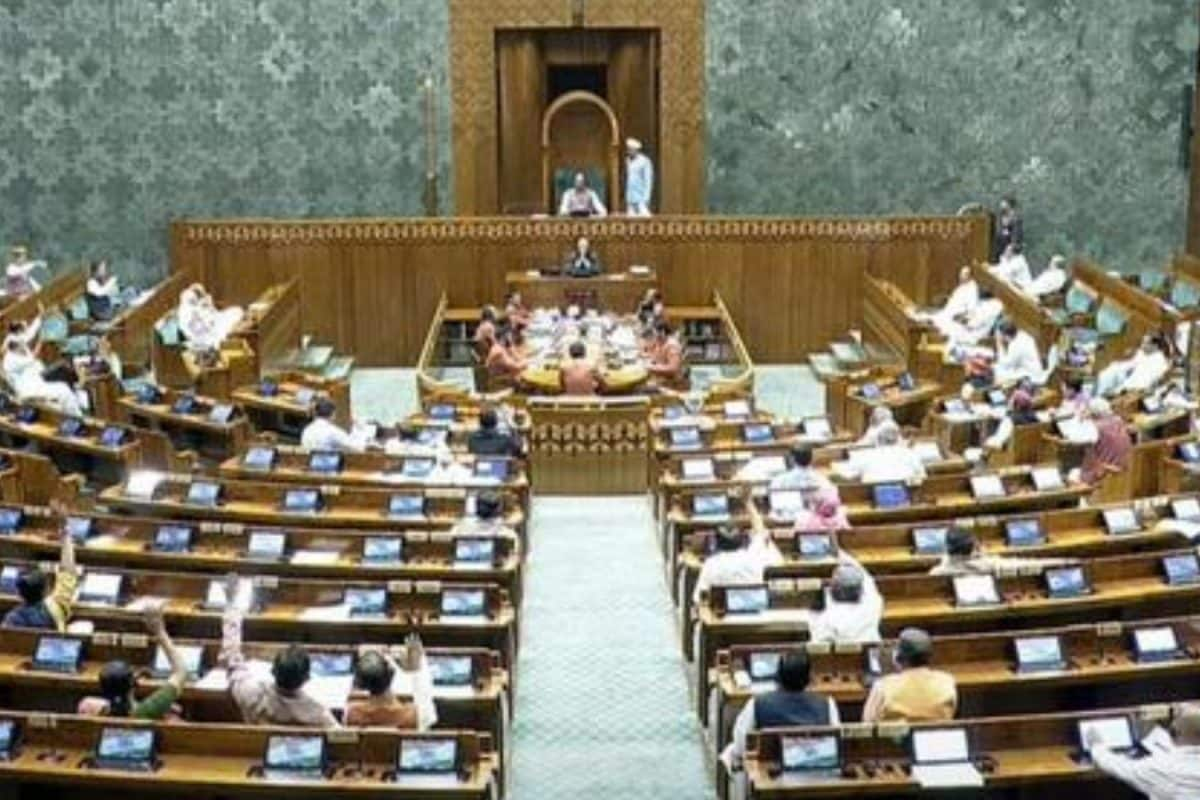

Parliament is set to reconvene for a special sitting from November 30, but two of its most vital components will be missing. The decision to skip Question Hour and Zero Hour has sparked a debate on legislative priorities versus democratic accountability.
What are Question Hour and Zero Hour?
In the daily business of Parliament, Question Hour and Zero Hour are crucial tools for accountability. Question Hour, typically the first hour of a sitting, is the time when Members of Parliament (MPs) can ask direct questions to government ministers about their ministries' policies and actions. It is a formal, regulated mechanism for scrutiny, where ministers are obligated to respond. Questions can expose financial irregularities, demand data, and force the government to defend its decisions on the public record. Question Hour, typically the first hour of a sitting, is the time when Members of Parliament (MPs) can ask direct questions to government ministers about their ministries' policies and actions. It is a formal, regulated mechanism for scrutiny, where ministers are obligated to respond. Questions can expose financial irregularities, demand data, and force the government to defend its decisions on the public record. Zero Hour is a uniquely Indian parliamentary innovation that is not mentioned in the official rule book. It follows Question Hour and allows MPs to raise matters of urgent public importance without needing extensive prior notice. It acts as a flexible forum for highlighting immediate issues—from a natural disaster in a constituency to a pressing national problem—that cannot wait for the formal legislative process. While ministers are not bound to reply during Zero Hour, it effectively brings urgent matters to the government's and the nation's attention.
Why Are They Being Skipped?
The government has stated that the upcoming session, running from November 30 to December 3, is a special sitting convened to transact 'essential Government Business'. According to official bulletins from the Lok Sabha and Rajya Sabha secretariats, the tight schedule of this short session is the reason for suspending Question Hour, Zero Hour, and Private Members' Business. This is not a new session but a continuation of the Monsoon Session, which was adjourned in August but not formally ended (prorogued). This procedural move allows the government to reconvene Parliament with shorter notice to pass specific legislation. The primary agenda is widely speculated to be the reintroduction of a constitutional amendment related to women's reservation and electoral delimitation, a bill which failed to pass in a previous sitting.
A Blow to Accountability, Says Opposition
The decision has drawn sharp criticism from opposition parties, who argue that suspending these key accountability mechanisms undermines the very essence of parliamentary democracy. The core of their argument is that these hours provide a platform to hold the government answerable to the people through their elected representatives. Critics frame the move as an attempt by the government to evade tough questions on pressing national issues. Leaders have expressed concern that a session without these checks and balances reduces Parliament to a mere 'notice board' for the government to pass its agenda without scrutiny. They contend that even if the session is short, the right of MPs to question the executive should not be compromised, calling the move a violation of their fundamental rights as members.
Is There a Precedent for This?
Yes, suspending Question Hour is not unprecedented, though it remains a rare and often contentious occurrence. Historically, it has been dispensed with during sessions called for special purposes, such as during the Chinese aggression in 1962 or to pass state budgets. It was also suspended during the national emergency in the 1970s. More recently, Question Hour was cancelled during the 2020 monsoon session, with the government citing the constraints imposed by the COVID-19 pandemic. However, on each occasion, the opposition has protested, arguing that even in extraordinary circumstances, government accountability should not be sacrificed. The distinction often made is between a special-purpose session and a regular session; critics argue that for any 'regular' business, these accountability tools are non-negotiable.
Why This Matters for the Public
While parliamentary procedure can seem distant, the suspension of Question Hour and Zero Hour has a direct impact on citizens. These are the primary forums where MPs bring the specific problems and concerns of their constituents to the national stage. An MP might use Question Hour to demand answers about a delayed railway project, a hospital's understaffing, or the implementation of a national scheme in their district. Zero Hour allows them to raise sudden, urgent issues that directly affect people's lives. When these avenues are closed, even temporarily, there are fewer opportunities for the public's voice, via their representatives, to be heard and for the government to be held directly answerable for its performance on a wide range of issues beyond the day's legislative agenda.