





The Refined Carb Connection
Many convenient vegetarian and vegan foods are built around refined carbohydrates. Think of staples like white pasta, white bread, white rice, and many processed snacks. These carbs have been stripped of most of their fiber, vitamins, and minerals during
processing. While they provide a quick source of energy, this processing is also their downfall when it comes to keeping you full. Because the fiber is gone, your body digests them very quickly. This rapid digestion is what sets off a chain reaction that ultimately leads to premature hunger, often leaving you craving even more carbs.
The Blood Sugar Rollercoaster
When you consume a meal high in refined carbohydrates, they are quickly broken down into glucose (sugar) in your bloodstream. This causes a rapid spike in blood sugar levels. In response, your pancreas releases a surge of insulin to help move this sugar out of your blood and into your cells for energy. The problem is, this insulin rush can be too efficient, causing your blood sugar to drop sharply, sometimes even below its starting point. This “crash” sends a signal to your brain that you need more fuel, triggering feelings of hunger and fatigue just a short time after eating. This cycle of spike-and-crash can leave you feeling perpetually hungry despite consuming enough calories.
The Missing Pieces: Protein and Fiber
Satiety, or the feeling of fullness, doesn’t just come from the volume of food you eat. It’s heavily influenced by macronutrients, particularly protein and fiber. Protein is more satiating than both carbohydrates and fat, meaning it helps you feel full for longer. Fiber, which is abundant in whole plant foods, slows down digestion in two ways: it adds physical bulk to your meal and some types form a gel-like substance in the stomach, which delays the emptying of the stomach. A vegetarian meal based on refined carbs often lacks sufficient protein and fiber, the two key ingredients that provide sustained energy and long-lasting fullness. Without them, the meal is digested too quickly to keep hunger at bay.
Building a More Satisfying Vegetarian Plate
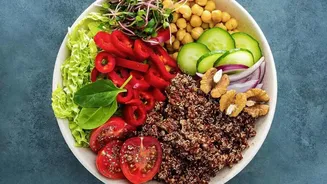
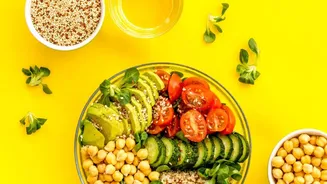
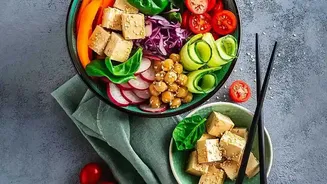
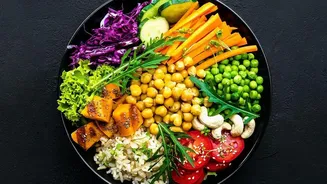
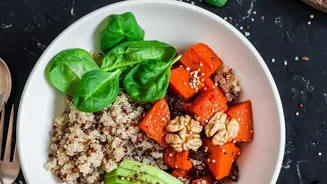
The solution isn’t to avoid carbs, but to choose them wisely and balance your plate. Focus on complex carbohydrates, which are found in whole, unprocessed foods. These are digested more slowly, providing a steady release of energy. A simple framework for a filling vegetarian meal includes a source of quality carbs, protein, and healthy fats. For an Indian audience, this is highly achievable. For example, instead of plain white rice, opt for brown rice or roti made from whole wheat. Combine this with a protein-rich dal (lentils), paneer, or chickpeas. Add a generous portion of non-starchy vegetables for fiber and nutrients. This combination slows digestion and prevents the sharp blood sugar spikes that lead to rebound hunger.
Simple Swaps for Lasting Fullness
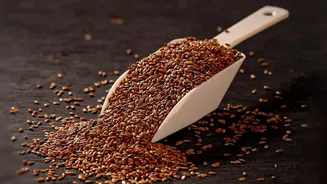
Making your vegetarian meals more satisfying can be as simple as making a few smart swaps and additions. Swap White for Whole: Replace white bread, pasta, and rice with their whole-grain counterparts like whole-wheat bread, quinoa, barley, and brown rice. Lean into Legumes: Lentils, chickpeas, beans, and peas are powerhouses of protein and fiber. Add them to salads, soups, curries, and rice dishes to instantly boost the staying power of your meal. Don't Forget Healthy Fats: Incorporate sources of healthy fats like avocado, nuts, and seeds. They contribute to satiety and provide essential nutrients. A sprinkle of toasted seeds on a salad or curry can make a big difference. Bulk Up with Vegetables: Fill at least half your plate with non-starchy vegetables. Their fiber and water content add volume to your meal with minimal calories, helping you feel physically full.