




The G1 Mission: A Dress Rehearsal for Space
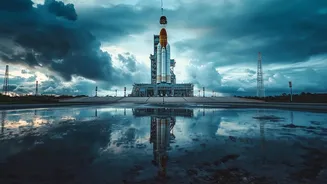
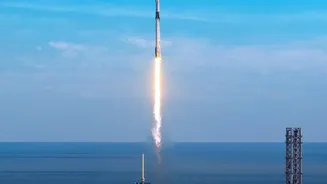
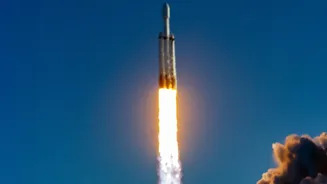
The next major milestone for the Indian Space Research Organisation (ISRO) is the first uncrewed orbital test flight, officially named the G1 mission. Targeted for the fourth quarter of 2026, this mission is essentially a full dress rehearsal of the final
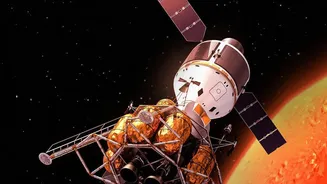
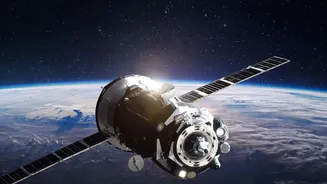
crewed flight, but without the astronauts. The plan involves launching the Gaganyaan spacecraft—comprising the crew and service modules—into a low Earth orbit of about 400 kilometres using the human-rated LVM3 rocket. The spacecraft will circle the Earth before re-entering the atmosphere and splashing down in the sea. The entire sequence, from launch to recovery, is designed to validate every system in a real-world space environment, a critical step before humans are put on board.
Meet Vyommitra: The Humanoid Stand-In
While no humans will be on the G1 flight, the crew module won't be empty. It will carry Vyommitra, a sophisticated half-humanoid robot developed by ISRO. The name is a combination of the Sanskrit words 'Vyom' (space) and 'Mitra' (friend). Vyommitra is designed to simulate human functions within the spacecraft's cabin. It can monitor key environmental parameters like temperature and pressure, operate switch panels, and communicate with the mission control centre on the ground. The data collected by Vyommitra on how the spacecraft's life support and other internal systems perform will be invaluable for ensuring the safety and comfort of future human crews.
Why This Uncrewed Flight is Crucial
Human spaceflight is an incredibly complex and high-risk endeavour, and there is no room for error. The G1 mission is designed to test the end-to-end capability of the entire Gaganyaan system. This includes the performance of the powerful, human-rated HLVM3 launch vehicle, the orbital manoeuvring of the spacecraft, the functionality of the life support systems, and the nerve-wracking re-entry and splashdown sequence. A particularly critical phase being tested is the parachute-based deceleration system, which uses a complex sequence of 10 parachutes to slow the crew module for a safe landing. ISRO has already conducted several Integrated Air-Drop Tests to validate this system. Success in the G1 mission will provide the confidence needed to proceed with further tests and, eventually, the first crewed flight.
The Road Ahead to Sending Indians to Space
The G1 mission is a pivotal part of a meticulously planned series of tests. Following its completion, ISRO plans to conduct two more uncrewed missions by 2027 before the historic first crewed flight, designated H1, which is now targeted for 2027-2028. ISRO has been clear that timelines are secondary to crew safety, leading to several revisions of the schedule to ensure every component is rigorously tested. Meanwhile, the four astronaut-designates, all decorated pilots from the Indian Air Force, are continuing their extensive training. This training involves complex simulations, academic courses, and collaboration with international space agencies to prepare them for every aspect of their journey into orbit.