
The Soul of a Snack
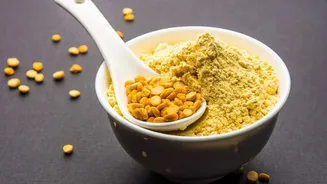
Native to Gujarat, fafda is a classic 'farsan' (savoury snack) that holds a special place in the region's culinary heart. At its core, it is a deceptively simple preparation made from gram flour (besan), seasoned with subtle spices like ajwain (carom
seeds) and black pepper, and given a light, airy texture with a pinch of baking soda. While the ingredients are humble, the magic lies entirely in the technique. It is a snack celebrated not just for its taste but for the skill required to create its signature form—long, impossibly thin, and uniformly crisp. Often enjoyed as a breakfast item, it is a staple at festivals and family gatherings, a testament to its enduring appeal.
An Exercise in Skillful Stretching
The journey from a simple dough to the final brittle strip is where the artistry truly lies. The process begins with kneading a soft, pliable, yet firm dough from gram flour and water. After resting, small, cylindrical portions of the dough are placed on a wooden board. This is the crucial step: using the heel of the palm, the maker presses down and drags the dough in a single, swift, forward motion. This action stretches the dough into a long, thin, translucent strip. It requires immense practice to apply the right amount of pressure—too much and it tears, too little and it won't be thin enough. The strip is then carefully lifted with a knife and is ready for the final step.
The Quick Fry to Crisp Perfection
Once the delicate strips are formed, they are gently slid into medium-hot oil. The frying process is brief and requires constant attention. The fafda pieces should not be overcrowded in the kadai, allowing them to cook evenly. They are fried for just a minute or two, until they achieve a light golden colour and their characteristic crispiness, but without becoming too brown. The result is a snack that is crunchy and brittle, yet light enough that it seems to melt in your mouth. This unique texture is what sets fafda apart from other fried snacks.
The Perfect Sweet and Savory Pair
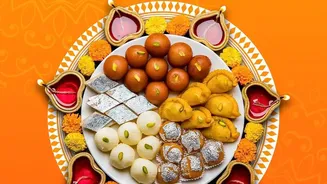
In Gujarat, and increasingly across India, you rarely see fafda served alone. Its most famous companion is the jalebi, a sweet, syrupy, spiral-shaped dessert. This combination of salty and sweet, crisp and chewy, is considered a match made in heaven. The tradition is especially strong during the festival of Dussehra, when queues form outside sweet and farsan shops from the early morning. Mythologically, it's said that jalebi was a favourite of Lord Ram, while gram flour dishes were favoured by Hanuman, so eating the two together honours them both after the victory of good over evil.
More Than Just a Snack
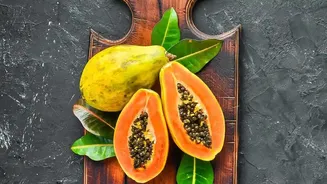
Beyond the classic jalebi pairing, fafda is almost always served with a collection of accompaniments that elevate the experience. A staple side is 'sambharo', a tangy, spicy salad made from shredded raw papaya or carrots. Also present are a vibrant green chutney made from coriander and mint, and whole green chillies fried and salted to provide a sharp, spicy kick. This complete platter—the savoury fafda, the sweet jalebi, the fresh sambharo, and the spicy chillies—creates a symphony of contrasting flavours and textures. It's a culinary experience that represents community, celebration, and the rich cultural heritage of Gujarat.