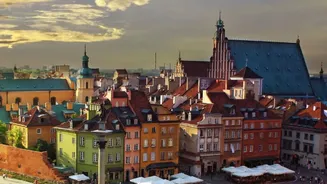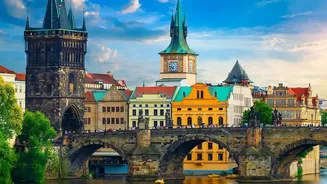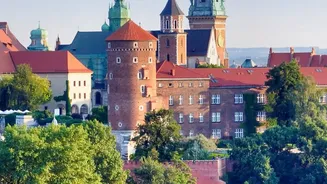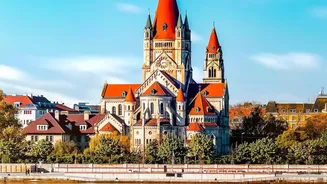



Kraków’s Historic Centre, Poland
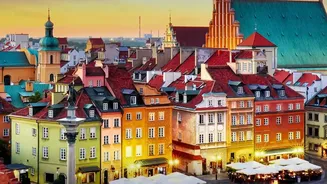
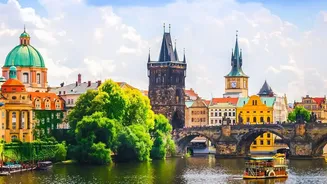
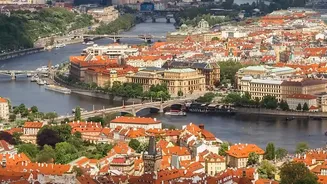
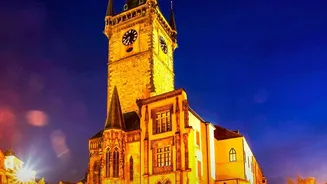
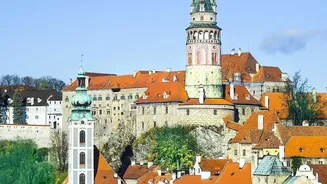
One of the very first sites inscribed on the UNESCO list in 1978, Kraków's historic heart is a story of survival and grandeur. Unlike many Polish cities, it escaped major destruction during World War II, leaving its medieval street plan and architectural
marvels intact. The site encompasses the sprawling Old Town, with Europe's largest medieval market square, the majestic Wawel Hill, where Polish kings were crowned and buried, and the historic Jewish district of Kazimierz. Wandering through its streets feels like stepping back in time, with every corner revealing centuries of cultural, religious, and political history. It’s a living museum that was once the centre of Poland's political life and remains its cultural soul.
Plitvice Lakes National Park, Croatia
A masterpiece of nature, Plitvice Lakes National Park is a paradise of sixteen terraced lakes connected by a series of cascading waterfalls. This geological wonder, a UNESCO site since 1979, owes its beauty to a process of travertine formation, where limestone deposits create natural dams. The water’s colour constantly changes from turquoise to emerald green, depending on the light and mineral content. The park covers nearly 300 square kilometres of lush forests, home to diverse wildlife including brown bears, wolves, and over 160 species of birds. A network of wooden footbridges and pathways allows visitors to walk through this breathtaking landscape, making it Croatia's most visited natural attraction.
Rila Monastery, Bulgaria
Nestled high in the Rila Mountains, this monastery is the spiritual heart of Bulgaria and a symbol of national identity. Founded in the 10th century by the hermit St. Ivan of Rila, it has been a centre of Orthodox Christianity and a guardian of Bulgarian culture and language for over a millennium. After a fire in the 19th century, it was rebuilt and became a masterpiece of the Bulgarian National Revival period. Its fortress-like exterior gives way to a stunning courtyard with brightly coloured arcades, striped arches, and walls covered in vibrant frescoes depicting biblical scenes. Recognised by UNESCO in 1983, the monastery is not just an architectural gem but an active spiritual sanctuary set against a backdrop of breathtaking mountain peaks.
Wooden Churches of Maramureș, Romania
In the remote northern region of Maramureș, a collection of nearly one hundred wooden churches stands as a testament to faith and masterful craftsmanship. Eight of these were selected by UNESCO for their unique architectural style. Built from the 17th to 19th centuries, these tall timber structures with slim, towering bell towers were a response to a prohibition by the Austro-Hungarian authorities against building stone Orthodox churches. Local builders used traditional log construction techniques, often without a single metal nail, to create these enduring places of worship. Inside, the walls are often covered with colourful, naïve-style paintings of biblical scenes by local artists, offering a unique window into the region's folk traditions and religious expression.
Kizhi Pogost, Russia
Located on an island in the vast Lake Onega, Kizhi Pogost is an architectural marvel that seems to defy logic. This 18th-century enclosure includes two spectacular wooden churches and a bell tower, built entirely without nails, relying instead on intricately fitted logs. The centerpiece is the 22-domed Church of the Transfiguration, a 37-meter-tall structure that local legend says was built by a master carpenter who, upon completion, threw his axe into the lake, claiming none could ever replicate his work. The smaller, 9-domed Church of the Intercession served as the heated winter church. Recognized by UNESCO in 1990, the ensemble is a masterpiece of Russian wooden architecture, its silvery aspen shingles shimmering in harmony with the surrounding landscape.