



A New Chapter in Indian Wildlife Tourism
In early October 2026, during the region's Wildlife Week celebrations, the Ladakh administration officially flagged off the first phase of its ambitious Snow Leopard Safari. This programme, a first for India, introduces a structured way for tourists to explore
the high-altitude habitats of one of the world's most mysterious big cats. The initiative was launched with a fleet of six specially designed, open-back safari vehicles, marking a significant step towards regulated eco-tourism in this fragile Himalayan ecosystem. The decision, announced on August 5, was executed in just two months, demonstrating a strong commitment to the project. This guided safari experience is designed to provide visitors with a rare opportunity to witness Ladakh's unique flora and fauna while creating a sustainable livelihood for local communities.
The Safari Experience: What to Expect
The initial phase of the safari will operate in three key areas known for frequent snow leopard sightings: Rumbak, Shang, and Uley. Rumbak, near the famous Hemis National Park, is already a popular destination for serious wildlife trackers. Visitors will be accompanied by trained local drivers and wildlife guides who are experts in navigating the terrain and spotting wildlife. The use of these designated open-back vehicles on approved routes is a core part of the strategy. The primary goal is to curb illegal and disruptive off-roading, which can disturb animals and damage the delicate landscape. While details on pricing and booking are yet to be announced, the model is based on established national parks like Kaziranga and Ranthambore, but adapted for Ladakh’s unique high-altitude environment. Future plans include expanding the safari routes to other wildlife-rich areas, including parts of Hemis National Park, Changthang, and Karakoram Wildlife Sanctuaries.
More Than Just a Safari
This initiative is about much more than tourism. It's a strategic effort to link conservation with community empowerment. The programme is being conducted by the Snow Leopard and High-Altitude Nature Conservation (SHAN) Society in collaboration with Ladakh's Department of Forest, Ecology and Environment. A key objective is to ensure that local communities become active partners and primary beneficiaries of this new tourism model. By creating jobs for locals as guides, drivers, and hospitality providers, the administration hopes to build a 'conservation economy'. This model aims to give residents a direct stake in protecting the wildlife and ecosystems that attract visitors, turning them into custodians of their environment. The project also includes training for youth in bird identification and spotting, further diversifying livelihood opportunities.
The 'Ghost of the Mountain' and Conservation
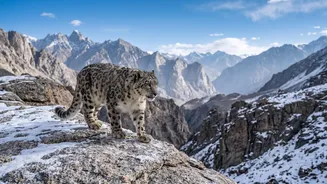
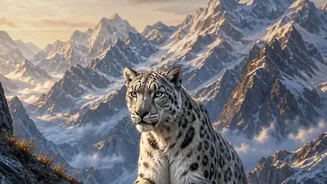
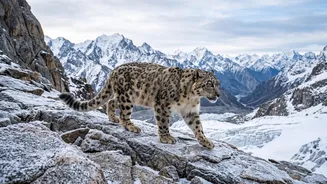
The snow leopard is notoriously difficult to spot, earning its nickname 'Ghost of the Mountain'. Ladakh is a critical habitat for the species, hosting an estimated 477 of India's total population of around 718. The safari is an extension of broader conservation efforts like Project Snow Leopard, launched in 2009, which treats the big cat as an 'umbrella species'—protecting it means protecting its entire habitat and the other species within it. The regulated nature of the safari, with controlled vehicle movements and trained guides, is designed to minimise disturbance to wildlife. It aims to create a responsible way for people to appreciate these animals without causing harm, a stark contrast to the unregulated tourism that often puts pressure on sensitive ecosystems.
Managing Expectations and Visiting Responsibly
While the launch of the safari is exciting, potential visitors should manage their expectations. Spotting a snow leopard is never guaranteed due to their elusive nature and the vast, rugged terrain they inhabit. The experience is as much about immersing oneself in the breathtaking Himalayan landscape as it is about the potential sighting. The core principle of this initiative is responsible tourism. Visitors will be expected to follow strict guidelines, such as maintaining a safe distance from animals, not feeding them, and staying within the vehicle unless instructed otherwise by a guide. The success of this programme will depend not just on the administration, but also on the cooperation of tourists in respecting the fragile environment and its magnificent inhabitants.