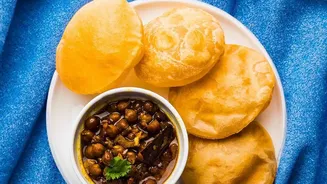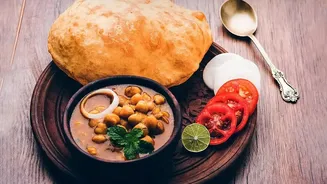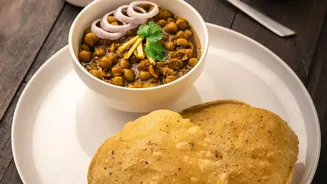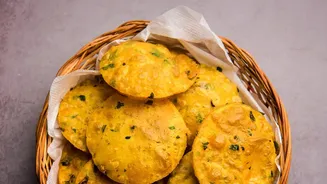






The Science of the Perfect Puff
The magical ballooning of a poori is a simple feat of physics. When the rolled dough is slipped into hot oil, the moisture trapped within the dough quickly turns into steam. This rapidly expanding steam needs to escape, so it pushes outwards against the dough's
surfaces. If the dough is sealed perfectly, the steam gets trapped between the top and bottom layers, forcing them apart and creating that iconic puffed sphere. However, as the headline suggests, any tear, crack, or weak spot in the dough provides an escape route for that steam. When steam leaks out, there’s not enough internal pressure to inflate the poori, leaving you with a flat, often greasy disc.
It All Starts With the Dough
The foundation of a great poori is the dough. Its consistency is crucial for trapping steam effectively. The ideal poori dough should be firm and stiff—noticeably firmer than dough for chapatis or rotis. A dough that is too soft or wet will not only be difficult to roll but will also absorb more oil during frying, resulting in a heavy, greasy finish. To achieve the right texture, add water gradually while kneading. If you press a finger into the dough, it should leave a slight indentation rather than springing back immediately. Adding a teaspoon of oil or ghee during the final minute of kneading can make the dough smoother and more pliable. Let the dough rest for about 15 to 20 minutes, but no longer; over-resting can make it too soft. Using fresh dough is also key, as refrigerated dough tends to absorb more oil and puff less.
The Art of Flawless Rolling
This is where many home cooks falter. The goal is to roll a perfectly uniform disc without any thin spots, thick edges, or, most importantly, tears. Uneven rolling is a primary cause of puffing failure. If the edges are thinner than the center, they will cook too quickly and may not seal properly, allowing steam to escape. To avoid this, apply even pressure with your rolling pin. Another critical tip is to avoid using dry flour (atta) for dusting. When you fry the poori, the loose flour burns in the hot oil, leaving behind dark specks and giving the oil an unpleasant burnt taste. Instead, lightly grease your dough balls and the rolling surface with a few drops of oil. This prevents sticking and ensures the frying oil stays clean. Aim for a thickness of about 1-2 millimeters—too thin and it won't have enough structure to puff, too thick and it may remain raw inside.
Frying for Ultimate Success
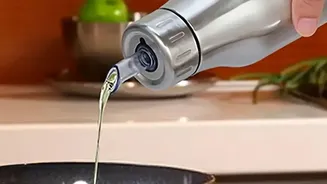
Even with perfect dough and rolling, the frying technique can make or break your poori. The oil temperature is paramount. It must be hot, but not smoking. A simple way to test it is to drop a tiny piece of dough into the oil; it should sizzle and rise to the surface immediately. If it sinks, the oil is too cold, and your poori will soak up grease. If it browns instantly, the oil is too hot, and it will burn before cooking through. When you slide the poori into the kadhai, do it gently from the side. As it floats to the top, use a slotted spoon to gently press it down into the oil. This submersion helps trap the heat and encourages the steam to build up, initiating the puff. Once it balloons, flip it over and cook for another 20-30 seconds until both sides are golden brown. Avoid flipping it repeatedly, as this can also lead to more oil absorption.