



The Pesarattu: A Wholesome Foundation
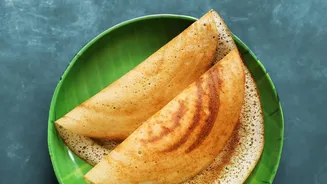
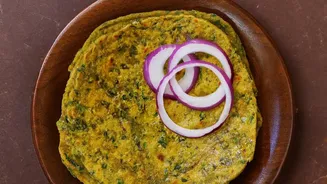
Before we dive into the toppings, it’s important to appreciate the base. Pesarattu is a beloved dish from Andhra Pradesh, a savoury crepe made by grinding whole green moong beans (pesalu) into a batter. Unlike many other dosas, its batter typically requires
no fermentation, making it a quick and nutritious option. On its own, a well-made pesarattu is delightful; it has a beautiful green hue, a soft centre, and edges that crisp up on the griddle. Its inherent texture is slightly coarse and tender, with an earthy flavour from the lentils. This wholesome canvas is perfect for layering on more complex textures and tastes.
Raw Onions: The Juicy, Pungent Crunch
The most common and transformative topping for pesarattu is a generous sprinkle of finely chopped raw onions. This isn't just a garnish; it's a critical textural component. As the thin batter is spread on the hot tawa, the onions are pressed into it. They don't fully cook through, retaining a significant amount of their raw character. The result is a multi-sensory experience. With every bite of the soft crepe, you get a sharp, juicy crunch from the warm onions. This contrast is key; the yielding base of the pesarattu highlights the firmness of the onion, while the heat from the griddle mellows its pungency just enough, releasing a subtle sweetness. This simple addition introduces a layer of moisture and a satisfying bite that prevents the dish from being monotonous.
Cumin Seeds: Aromatic, Earthy Pops
Cumin seeds, or jeera, are often ground into the batter itself, but they also play a vital role when used as a topping, sometimes alongside the onions. When whole cumin seeds hit the hot, oiled griddle, they toast almost instantly. This process, known as blooming, releases their essential oils, infusing the crepe with a warm, earthy aroma that complements the green gram perfectly. Texturally, these tiny seeds offer a different kind of crunch from the onions. They are not juicy, but rather provide small, concentrated pops of flavour and a sandy, brittle texture. This subtle, intermittent crunch adds another dimension of complexity, ensuring that each bite is slightly different from the last. Using whole seeds is crucial, as ground cumin would simply blend into the batter, losing this distinct textural effect.
The Synergy of Two Toppings
The magic truly happens when onions and cumin are used together. They create a textural harmony that defines the classic pesarattu experience. The soft, pliant crepe is the base. The finely chopped onions provide a consistent, juicy crunch and a sharp flavour. The toasted cumin seeds interject with their surprising, aromatic pops. This combination prevents any single texture from dominating. One moment you experience the soft dal, the next the crisp onion, and then a fragrant burst of cumin. This interplay is central to the dish's appeal and is often enhanced by the addition of finely chopped ginger and green chillies, which add their own fibrous texture and heat. Some recipes even call for lightly sautéing the onions and cumin before adding them to the crepe to deepen their flavour.
Achieving the Perfect Texture at Home
For the home cook, recreating this texture is an achievable art. The key is in the preparation and timing. Chop your onions very finely to ensure they distribute evenly and don’t overwhelm the thin crepe. Sprinkle the onions and cumin onto the pesarattu immediately after spreading the batter on the griddle, when it's still wet. This allows you to gently press them in with a spatula, ensuring they adhere as it cooks. Don’t overcook the second side; a brief flip is enough to warm the onions without turning them soft and mushy. The goal is to retain their crispness. Master this, and you’ll have unlocked the secret to a perfect, texturally brilliant Andhra pesarattu every time.