




The Art of Selecting the Perfect Papaya
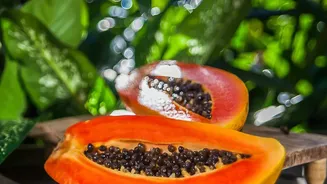
The journey to enjoying papaya begins at the store. Selecting a perfectly ripe fruit is key to experiencing its full, sweet potential. Look for papayas with skin that is turning from green to a golden yellow or orange-gold. A ripe papaya should yield
slightly to gentle pressure, much like a ripe avocado or peach. If you press your thumb into it and the skin breaks easily, it's likely overripe. Another good indicator is the smell; a ready-to-eat papaya will have a faint, sweet aroma near its stem. Avoid fruits with blemishes, dark spots, or overly soft, mushy areas, as these can be signs of decay. If you can only find green papayas, don't worry. You can ripen them at home by leaving them on the counter for a few days. To speed up the process, place the fruit in a paper bag with a banana or an apple.
A Nutritional Powerhouse in a Bright Orange Package
Beyond its sweet, melon-like flavor, papaya is packed with nutrients. It is an excellent source of Vitamin C, with a single small papaya providing more than the daily recommended amount. The fruit is also rich in Vitamin A, potassium, and fiber. Papayas are loaded with powerful antioxidants called carotenoids, particularly lycopene, which the body absorbs more effectively from papayas than from many other fruits and vegetables. These antioxidants help combat oxidative stress, which is linked to various chronic diseases. Regular consumption of fruits rich in lycopene and Vitamin C, like papaya, may contribute to heart health by helping to protect the heart and improve cholesterol ratios.
The Papain Enzyme: A Digestive Aid
One of papaya's most notable components is papain, a proteolytic enzyme that helps break down proteins into smaller fragments called peptides and amino acids. This is why papain is a common ingredient in meat tenderizers. In the body, this enzyme can aid in digestion. While much of the research focuses on papain supplements, eating the fruit itself may help ease digestive issues like bloating and constipation for some people. The enzyme is more concentrated in unripe, raw papaya, but it is still present in the ripe fruit. Because it is gentle on the stomach due to its low acid content, papaya is often recommended for those with sensitive digestive systems.
Simplicity Is Best: How to Enjoy Papaya Plain
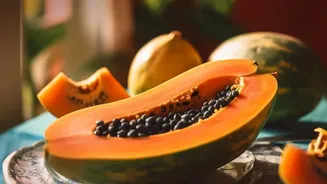
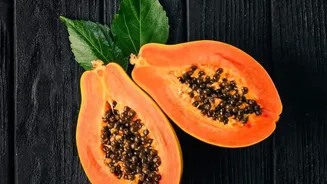
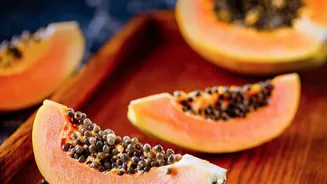
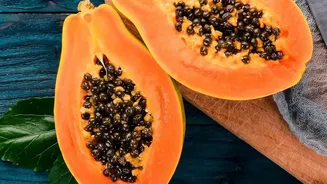
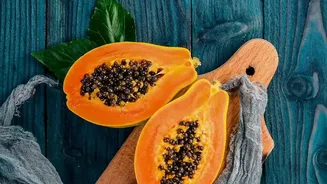
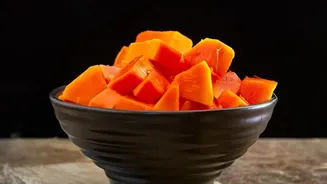
The core message is simple: ripe papaya needs no help to be delicious. The easiest and arguably best way to enjoy it is to serve it fresh and raw. Simply slice the papaya in half lengthwise, scoop out the black seeds with a spoon, and then either cut the flesh into cubes or slices, or eat it directly from the skin. The flavour is often described as a mix between a melon and a peach, with a soft, buttery texture. A simple squeeze of fresh lime or lemon juice is the most popular addition, as the acidity provides a perfect contrast that brightens and enhances the papaya's natural sweetness without overpowering it.
Elevated Pairings, No Sugar Added
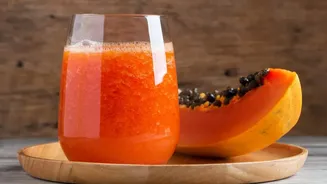
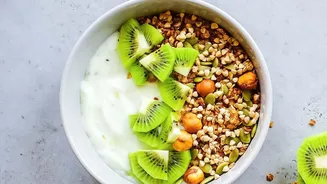
If you want to move beyond eating it plain, there are many simple ways to dress up papaya that don't involve heavy sweeteners. For a satisfying breakfast or snack, fill a papaya half (with the seeds scooped out) with yogurt, nuts, and other fresh fruits to create a 'papaya boat'. In smoothies, papaya's creamy texture blends beautifully with ingredients like banana, mango, and a splash of milk or a dairy-free alternative. For a savory twist, a sprinkle of chili powder and salt can offer a delightful contrast to the fruit's sweetness. The edible seeds can even be ground and used as a substitute for black pepper, as they have a similar peppery taste.