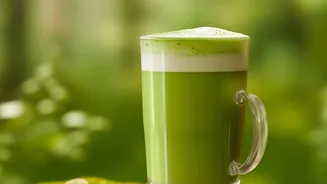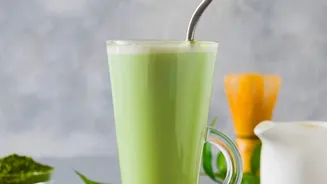



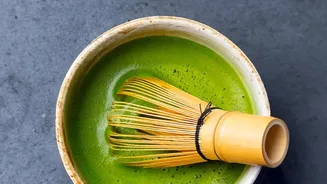
First, What Exactly Is Matcha?
Before we get into the caffeine, it's important to know that matcha isn't just another green tea. While both come from the same plant, Camellia sinensis, their preparation is worlds apart. Green tea is made by steeping leaves in hot water, which are then
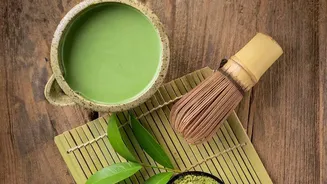
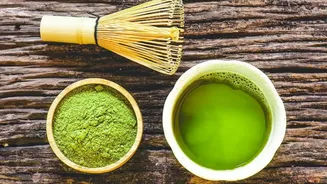
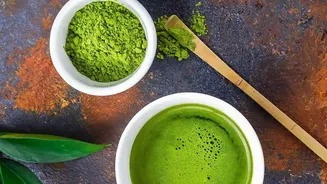
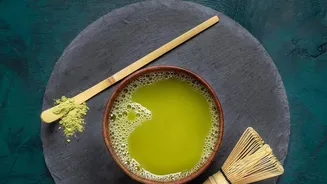
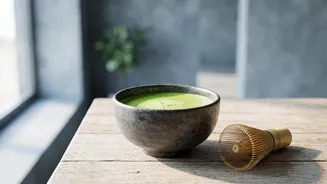
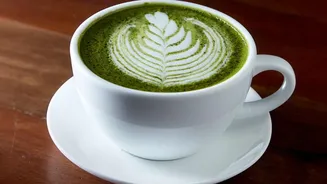
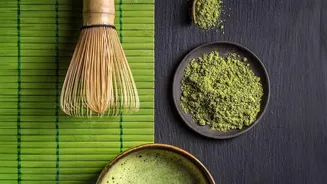
discarded. Matcha, on the other hand, is made from young, shade-grown tea leaves that are stone-ground into a fine powder. When you drink matcha, you're consuming the entire leaf, not just an infusion. This distinction is key to understanding everything that follows, from its flavour to its caffeine kick and health benefits. This method of consumption is why matcha has a higher concentration of caffeine, antioxidants, and other beneficial compounds compared to its steeped cousin.
The Caffeine Question: Matcha vs. Coffee vs. Chai
Let's get straight to the numbers. A typical cup of matcha, made with about 1-2 grams of powder, contains roughly 60-80 milligrams of caffeine. In comparison, a standard cup of brewed coffee can have anywhere from 95 to 200mg. So, cup for cup, coffee usually packs a bigger initial punch. Your daily masala chai typically contains even less, around 40-50mg of caffeine per cup. Recent Google Trends data from India shows a 70% rise in searches for 'does matcha have caffeine' and breakout interest in 'matcha vs coffee', highlighting this growing curiosity. While the numbers suggest coffee is the stronger stimulant, the story of how your body experiences that energy is completely different.
The Secret Ingredient: L-Theanine
The magic of matcha lies in a unique amino acid called L-theanine. Tea plants, especially those grown in the shade like matcha, are rich in this compound. L-theanine is known for promoting a sense of relaxation and calm without causing drowsiness. It does this by increasing alpha brain waves, the same ones associated with a state of meditative focus. When paired with caffeine, L-theanine works synergistically. It slows down the absorption of caffeine into the bloodstream, which smooths out the energy spike you get from coffee. This combination is responsible for the signature 'calm alertness' that matcha drinkers rave about—a sustained, focused energy without the jitters or the dreaded afternoon crash.
Why People Are Making the Switch
The growing interest in matcha across Indian cities like Delhi, Mumbai, and Bengaluru isn't just about trying something new; it's a conscious wellness choice. Many are looking for a gentler, more sustained energy source to power through their busy days. The appeal is moving beyond cafes and into homes, with searches for 'how to make matcha' and 'matcha kit' surging dramatically over the past year. People are choosing the focused, crash-free energy of matcha over the sharp jolt of coffee. It's less about replacing chai or coffee entirely and more about adding a different kind of tool to their daily energy toolkit—one for steady focus in the morning, another for a comforting ritual in the afternoon.
More Than Just an Energy Boost
While the caffeine effect is a major draw, matcha's benefits don't stop there. Because you consume the whole leaf, you get a potent dose of antioxidants, particularly catechins like EGCG. Research suggests these compounds have anti-inflammatory properties and may support heart health, metabolism, and overall cognitive function. The wellness connection is strong among Indian consumers, with searches for 'matcha health' and 'matcha protein' seeing massive increases of 1,000% and 2,500% respectively. This indicates that users see matcha not just as a beverage, but as a functional food that aligns with a healthier lifestyle.