






The Tiny Spice with a Mighty Punch
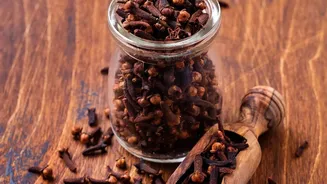
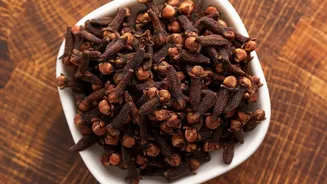
Cloves are the dried, unopened flower buds from the evergreen tree Syzygium aromaticum, native to the Maluku Islands of Indonesia, famously known as the Spice Islands. For centuries, this small, nail-shaped spice has been treasured in cuisines across
the globe, from perfuming biryanis and masalas in India to anchoring festive European bakes. Its flavour profile is complex and unmistakable: intensely warm, sweet, and slightly bitter with a peppery, pungent kick. It’s a scent and taste that instantly evokes feelings of comfort and nostalgia, making it a staple in any serious baker's pantry. But as many have learned, it's a spice that demands respect; a little goes a very long way.
The Science of Potency: Meet Eugenol
The secret to clove’s commanding presence lies in its chemical makeup. It is packed with an aromatic compound called eugenol, which can constitute up to 85% of its essential oil. Eugenol is responsible for that signature warm, spicy, and slightly medicinal aroma that defines clove. This compound is so potent that it’s not just a flavouring agent; it has natural anesthetic properties, which is why clove oil has been used in dentistry for generations to numb pain. When you use too much ground clove in a recipe, this eugenol concentration is what creates an overpowering, almost sharp or metallic taste, and can even cause a slight numbing sensation in the mouth. Understanding the power of eugenol is the key to mastering the use of clove in your kitchen.
A Little Goes a Long Way
Because of its high eugenol content, restraint is the golden rule for baking with ground cloves. Most recipes wisely call for very small measurements, often just a pinch, or between 1/8 and 1/4 of a teaspoon. For context, some culinary experts suggest that a quarter teaspoon of ground cloves has as much flavour presence as a full tablespoon of many other spices. Overdoing it can make your baked goods bitter or give them a dominant medicinal quality that masks all other delicate flavours. A good guideline for bakers is to start with about 1/4 teaspoon of ground cloves per two cups of flour in a recipe for cookies or cakes. This small amount is enough to impart its wonderful warmth without stealing the show. You can always add a touch more, but you can never take it out.
Perfect Pairings in the Indian Kitchen
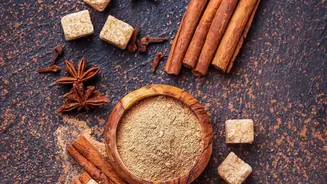
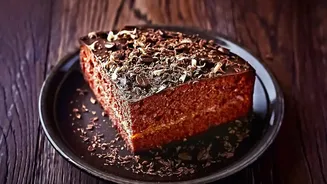
In India, clove (or ‘laung’) is a familiar player in savoury dishes, but its potential in baking is immense. It forms the backbone of many classic spice blends and pairs beautifully with other warm spices. Think of it alongside cinnamon, nutmeg, ginger, and cardamom in a traditional plum cake or a modern spiced apple crumble. Its robust flavour stands up well to rich ingredients like molasses and brown sugar in gingerbread-style cookies, and it can add a surprising depth to chocolate-based desserts like brownies or hot cocoa. It also works wonderfully with fruits such as apples, pears, oranges, and pumpkin, making it an essential ingredient for seasonal fruit cakes and pies.
Ground vs. Whole: A Baker’s Choice
While they come from the same source, ground and whole cloves behave differently in the kitchen. Ground cloves release their flavour almost instantly, making them ideal for batters and doughs where you want the spice evenly distributed. Whole cloves, on the other hand, are better for slow infusions, like in a simmering syrup, mulled wine, or when flavouring rice, and are typically removed before serving. It’s important to note that ground cloves are generally considered more concentrated in flavour release than whole cloves. If you ever need to substitute, a rule of thumb is to use about ¾ teaspoon of ground cloves for every teaspoon of whole cloves called for in a recipe.
Keeping Your Cloves Fresh and Fierce
Like all spices, cloves lose their potency over time, especially once ground. Heat, light, air, and moisture are the enemies of freshness. To preserve that powerful flavour, store your ground cloves in a small, airtight container in a cool, dark cupboard, away from the stove. While whole cloves can retain their flavour for up to three years, ground cloves are best used within a year, as their essential oils dissipate much more quickly once the bud is milled. Because you only need a small amount for baking, it’s wise to buy ground cloves in smaller quantities to ensure what you’re using is always fresh and aromatic.