






The Catalyst: An International Summit
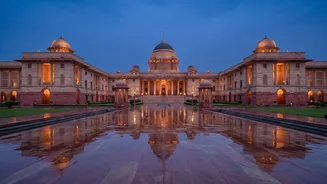
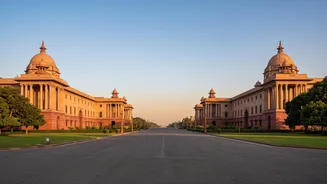
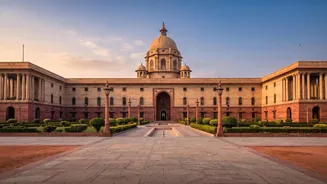
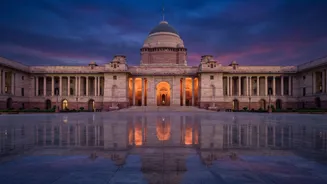
The driving force behind this flurry of activity is the upcoming 18th BRICS Summit, scheduled to take place in the capital on September 12-13, 2026. As India holds the chairmanship, the NDMC is tasked with ensuring the city presents a world-class face
to international delegates from Brazil, Russia, China, South Africa, and other participating nations. The plan aims for seamless urban services, enhanced aesthetics, and efficient civic management throughout the summit period, projecting an image of a clean, green, and well-maintained capital.
A Dual Focus on Beauty and Infrastructure
The NDMC's strategy is a two-pronged approach, focusing on both aesthetic enhancements and critical infrastructure maintenance. The beautification component is designed to create a visually appealing environment, while the repair work addresses the practical needs of a bustling metropolis. NDMC Chairman Manoj Kumar Dwivedi stated that the goal is coordinated execution to achieve international standards of urban management. This involves a comprehensive plan covering sanitation, horticulture, electricity, public health, and round-the-clock monitoring.
Floral Fountains and Green Corridors
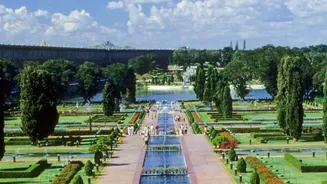
The most visually striking part of the plan involves a major horticultural push. The NDMC has identified nine locations for new flower fountains and 15 spots for large floral boards. Additionally, 17 prominent roundabouts will receive special beautification, landscaping, and decorative illumination. The horticulture teams will focus on planting seasonal flowers, creating green corridors, fixing brown patches, and installing decorative planters to give public spaces a vibrant, well-manicured appearance. This echoes the successful beautification drives seen before previous international events.
Smoothing the Path: Road and Footpath Repairs
Alongside the beautification, a significant portion of the effort is dedicated to infrastructure. The plan includes extensive repairs of potholes and footpaths, maintenance of railings and road signs, removal of debris, and ensuring proper drainage to prevent waterlogging. To manage this massive undertaking, 41 major roads within the NDMC area have been grouped into 14 circles. Each circle is assigned a dedicated nodal officer responsible for daily inspections and ensuring all civic issues are addressed promptly.
Sanitation, Monitoring and Coordination
To maintain cleanliness, special round-the-clock sanitation arrangements will be in place from September 9 to 14, featuring additional staff and night-duty teams. Mechanical sweepers, scrubbers, temporary dustbins, and mobile toilets will be deployed, and measures will be taken to remove stray animals from key areas. A 24x7 command and control centre will monitor all civic services in real-time. The NDMC will also display BRICS branding on 154 digital screens and at public utilities as part of a city-wide publicity campaign.
Beyond the Summit: A Lasting Legacy?
While the immediate focus is the BRICS Summit, these upgrades are part of a broader push to make New Delhi cleaner, greener, and more future-ready. The plan involves coordination with hotels, resident welfare associations (RWAs), and market traders' associations to foster a culture of civic discipline. Dedicated arrangements are also being made for associated public events like the BRICS Bazaar, BRICS Run & Ride, and a Food Festival. The ultimate hope is that these improvements will not just serve the summit but will provide a lasting benefit to the residents and visitors of the capital long after the delegates have departed.