



From Trade Artery to Active Conflict Zone
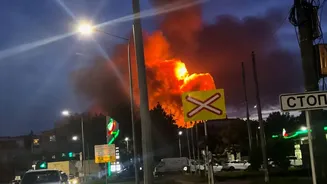
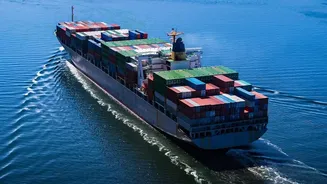
The Black Sea has been transformed from a bustling highway for commodities into a volatile frontline. In recent months, attacks on commercial ships, port infrastructure, and export terminals by both Russia and Ukraine have surged, making navigation a perilous
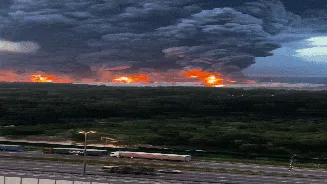
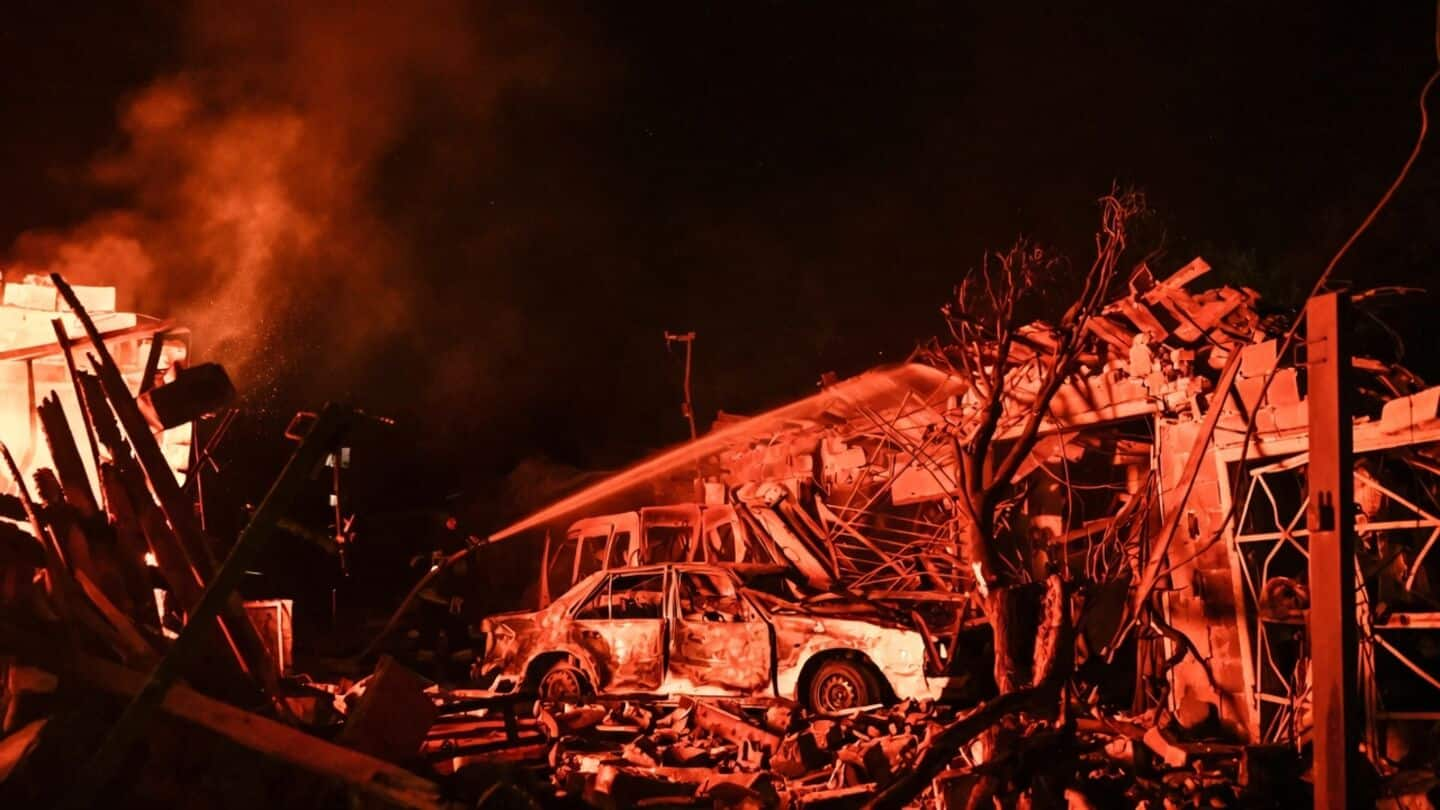
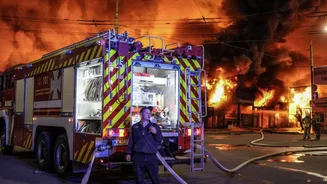
gamble. In July 2026 alone, Ukraine reported dozens of strikes on port facilities and attacks on vessels. This escalation means that any ship entering the area is potentially a target, regardless of its flag or cargo. The sea is no longer just a backdrop to the war but a central theatre of conflict, with both sides using naval drones and missiles to disrupt the other's economic lifelines.
The Global Breadbasket Under Siege
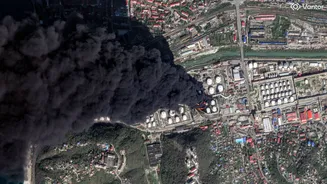
The stakes for global food security are immense. Before the conflict, Russia and Ukraine together accounted for nearly a third of the world's wheat exports, with a significant portion of Ukraine's agricultural products—including 50% of the global supply of sunflower oil—shipped through its Black Sea ports. Recent attacks have severely hampered these exports. In August 2026, Ukrainian strikes reportedly disabled over 90% of Russia's grain export capacity in the region by shutting down key terminals. Simultaneously, Russian attacks have forced Ukraine to slash its own export forecasts by more than half for the 2026-27 season. This dual disruption threatens to tighten global grain supplies, putting upward pressure on food prices worldwide and impacting food security in import-dependent nations.
Soaring Insurance and Shipping Costs
The direct military risk has created a secondary economic crisis for maritime trade. War risk insurance premiums for vessels operating in the Black Sea have skyrocketed. For some routes, the cost has climbed to as high as 2% of a ship's value for a single voyage, an exponential increase that can add hundreds of thousands of dollars to a trip. These costs are reviewed daily, reflecting the extreme volatility. The result is a de facto financial blockade. Some shipowners are deterred from entering the region altogether, while those who do pass the inflated costs on, leading to higher prices for consumers globally. This financial pressure compounds the physical risk, effectively squeezing one of the world's most important trade corridors.
Turkey's Critical Role as Gatekeeper
At the heart of this crisis is Turkey, which controls the Bosphorus and Dardanelles straits—the only maritime passage in and out of the Black Sea. Under the 1936 Montreux Convention, Ankara has the authority to regulate the transit of warships, a power it has used to limit naval escalation since 2022. Turkey has attempted to play the role of mediator, having brokered the original grain deal and recently pushing for a moratorium on attacks. However, its position is a delicate balancing act, maintaining its 'regional ownership' principle while cooperating with NATO allies. The stability of the entire Black Sea region, and by extension a significant portion of global trade, rests heavily on Turkey's ability to navigate these complex geopolitical currents.