

The Ancient Grain We Forgot
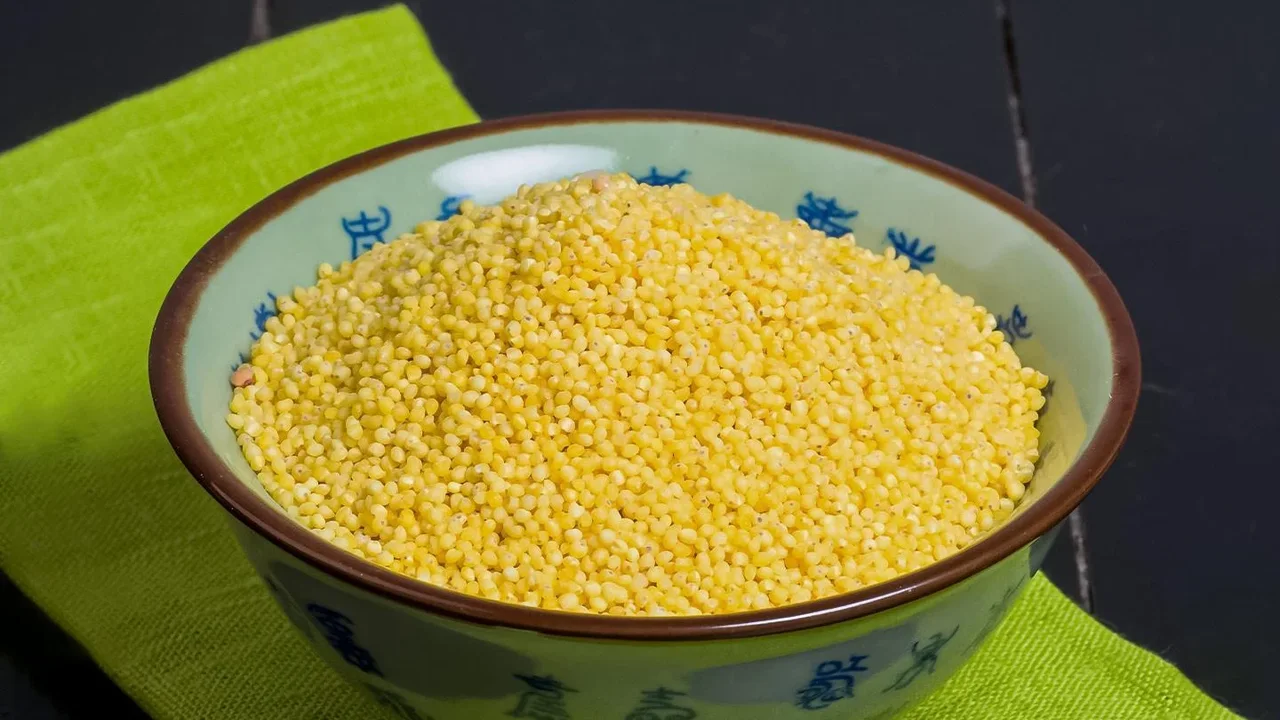
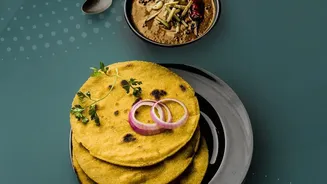
Ragi, also known as finger millet, is a tiny, reddish-brown grain that has been cultivated in India and Africa for thousands of years. In India, it has been a dietary backbone, particularly in southern states like Karnataka, where it's known as 'ragi',
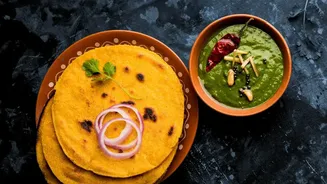
and Maharashtra, where it's called 'nachni'. For generations, it was a source of sustenance for farming communities, often prepared as a simple porridge (ragi malt) or dense, energy-giving balls (ragi mudde). Despite being incredibly resilient and easy to grow, ragi was gradually overshadowed by mass-produced wheat and rice during the Green Revolution. It was often dismissed as “poor people’s food,” but a modern rediscovery of its benefits is bringing it back into the spotlight.
A Nutritional Powerhouse
The renewed interest in ragi isn't just about nostalgia; it's backed by science. This gluten-free superfood is packed with nutrients. It is one of the best plant-based sources of calcium, containing 5 to 30 times more than other cereals, making it excellent for bone health. Ragi is also rich in iron, which can help combat anaemia, and dietary fibre, which aids digestion and promotes a feeling of fullness, making it a great addition for weight management. Furthermore, its low glycemic index helps in managing blood sugar levels, making it a favorable choice for people with diabetes. It also contains essential amino acids, including methionine, which is often lacking in other vegetarian diets.
Beyond Porridge: Ragi in Desserts
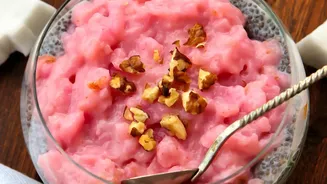
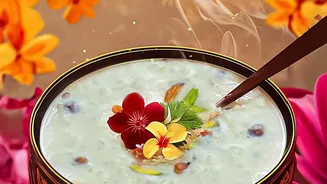
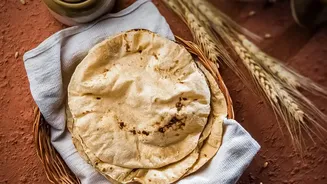
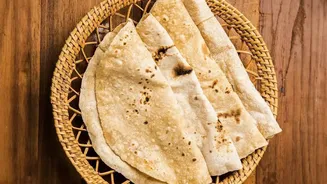
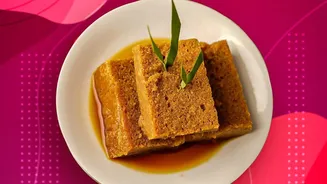
While ragi is traditionally used in savory dishes like rotis, dosas, and mudde, its unique flavour profile makes it surprisingly versatile for sweets. The flour has a distinct nutty and earthy taste that, when roasted properly, pairs wonderfully with ingredients like jaggery, coconut, chocolate, and cardamom. In many Indian households, ragi is used to make ladoos, kheer, and halwa. The key to a delicious ragi dessert is to toast the flour in a little ghee until it releases a pleasant aroma. This step is crucial as it removes any raw taste and brings out the grain's inherent nuttiness, transforming it into a perfect base for a healthy yet indulgent treat.
Recipe: Ragi Walnut Ladoos
These ladoos are a perfect entry point into ragi desserts—they are quick, require no baking, and are packed with nutrition. This recipe combines the earthiness of ragi with the richness of walnuts and the natural sweetness of jaggery. Ingredients: 1 cup Ragi Flour ¾ cup Powdered Jaggery (adjust to taste) ½ cup Walnuts, coarsely chopped ¼ cup Ghee (clarified butter) ½ tsp Cardamom Powder A pinch of Salt Instructions: 1. Heat 2 tablespoons of ghee in a pan over low heat. Add the ragi flour and roast for 8-10 minutes, stirring continuously until it becomes aromatic and sandy in texture. This step is vital to cook the flour. Transfer to a bowl and let it cool slightly. 2. In the same pan, lightly toast the chopped walnuts for a minute or two until fragrant. 3. Add the powdered jaggery, toasted walnuts, cardamom powder, and a pinch of salt to the roasted ragi flour. Mix everything well. 4. Melt the remaining ghee and pour it over the mixture. While it's still warm enough to handle, mix everything together. 5. Take small portions of the mixture and press firmly between your palms to form round ladoos. If the mixture is too dry, add another teaspoon of melted ghee. Let the ladoos cool completely before storing them in an airtight container.
Tips for Perfect Ragi Desserts
Cooking with ragi is easy, but a few tips can elevate your dish. Always use fresh ragi flour, as old flour can taste bitter. Roasting the flour is non-negotiable for desserts; it completely changes the flavour from raw and grassy to nutty and pleasant. When substituting ragi for other flours in cakes or cookies, it's best to start with a 50:50 ratio with whole wheat or all-purpose flour, as ragi is gluten-free and can result in denser textures if used alone. Finally, don't be afraid to experiment with flavours. Ragi's profile works well with everything from fruits like bananas and apples to rich spices like cinnamon and nutmeg.