
A New Chapter for Ladakh Tourism
In early October 2026, Ladakh launched India's first high-altitude wildlife safari, a significant step toward regulated and eco-friendly tourism in the fragile Himalayan region. The initiative, flagged off by Lt. Governor Vinai Kumar Saxena, is more than
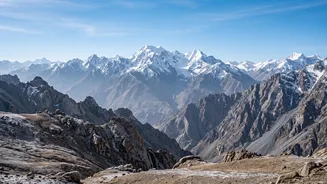
just a tourist attraction; it's a structured effort to protect the region's unique ecosystem while creating economic opportunities for local communities. The service was rolled out in just two months after its announcement, demonstrating a commitment to fast-tracking sustainable development. Six specially designed, open-back safari vehicles are now operating in areas like Rumbak, Shang, and Uley, which are well-known for frequent snow leopard sightings. This venture provides a guided and safe way for visitors to experience Ladakh's wildlife, moving away from the risks of unregulated, illegal off-roading that can disturb the animals and their habitat.
The Collaborative Force Behind the Safari
The strength of this new service lies in its core partnership. The safari is operated by the Snow Leopard and High-Altitude Nature Conservation (SHAN) Society in close collaboration with Ladakh's Department of Forest, Ecology and Environment. This model ensures that conservation principles are at the heart of the operation. The goal is to make local communities active partners in protecting the environment, fostering a sense of ownership over their natural heritage. This approach builds on a long history of community-based conservation in Ladakh, where organisations like the Snow Leopard Conservancy India Trust (SLC-IT) have worked for years to turn the snow leopard from a perceived threat to a valued asset. By involving local people as trained drivers and wildlife guides, the safari directly invests in the community, ensuring the economic benefits of tourism stay within the region.
Beyond the Safari: A Model for Coexistence
For decades, the relationship between local herders and snow leopards was one of conflict, as the predators would often prey on livestock. Innovative programmes like the Himalayan Homestays, pioneered by SLC-IT, began to change this dynamic by allowing villagers to earn income from tourism. Tourists stay with local families, providing an authentic cultural experience and generating revenue that helps offset livestock losses. This has been instrumental in changing attitudes, making the snow leopard worth more alive than dead. The new safari service is an extension of this philosophy. It formalises wildlife viewing, reduces environmental impact, and provides stable livelihoods linked directly to conservation. Ten percent of income from many homestay programmes is channeled into a village conservation fund, used for activities like trail maintenance and habitat restoration.
The Experience for the Responsible Traveller
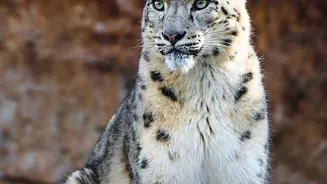
For those embarking on this adventure, the experience is about more than just a photograph. The safari season typically runs from November to April, when winter snows encourage the cats to descend into more accessible valleys. The new guided tours operate on carefully selected routes through Hemis National Park, Changthang Wildlife Sanctuary, and other prime habitats to maximize viewing opportunities while minimizing disturbance. Ladakh is home to an estimated 477 snow leopards, the largest population in India, making it a globally significant location for sighting these cats. The safari is designed to be an immersive journey into a fragile ecosystem. Travellers are guided by local experts who possess generations of knowledge about the terrain and its inhabitants. This not only increases the chances of a sighting but also enriches the visitor's understanding of the delicate balance between wildlife and human communities in the high Himalayas.