






Why Soaking Is Non-Negotiable
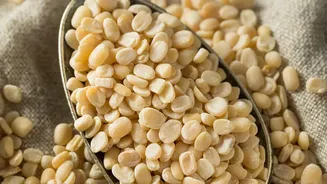
Soaking urad dal is not just about softening it; it's a critical scientific step. When you soak the lentils, water penetrates the hard exterior, hydrating them from the inside out. This process does several important things. Firstly, it makes the dal significantly
easier to grind into a smooth, fluffy batter. Secondly, it activates enzymes that begin to break down complex starches and anti-nutrients like phytic acid. This not only makes the dal easier to digest, reducing the chances of bloating and gas, but also improves your body's ability to absorb essential minerals like iron, calcium, and zinc. A well-soaked dal leads to a superior final product, whether it's a lighter idli or a creamier dal makhani.
The Golden Rule: Soaking Times by Dish
There is no single correct soaking time for all urad dal preparations. The ideal duration depends on the specific dish you're making and the type of dal you are using (whole or split). For batters used in idli and dosa, a soaking time of 4 to 8 hours is widely recommended. This duration provides the perfect balance, allowing the dal to soften completely for a fluffy grind while also encouraging the growth of beneficial microbes essential for good fermentation. For making vadas, a slightly shorter soaking time of 2 to 4 hours is often sufficient. For dishes using whole urad dal (the black variety), a longer soak of at least 6-8 hours, or even overnight, is necessary to soften the tough outer skin.
Signs of Under-Soaking and Over-Soaking
How do you know if you've gone wrong? Under-soaked dal is easy to spot. It will feel hard and won't have plumped up significantly. Grinding it will result in a gritty, coarse batter that struggles to ferment properly, leading to hard, dense idlis and vadas that don't puff up. Conversely, over-soaking also presents problems. If left for too long, especially at room temperature, the dal can begin to ferment prematurely, developing a sour or unpleasant smell and a slimy texture. This can interfere with the main fermentation process and affect the final taste of your dish. A properly soaked dal should be soft enough to break easily with a fingernail but still retain its shape without feeling mushy.
Climate, Water, and Other Variables
The time on the clock isn't the only factor. Your kitchen's climate plays a significant role. In warmer, more humid weather, soaking and fermentation happen much faster. You might only need 4-5 hours of soaking on a hot day. In colder climates, you may need to extend the soaking time to the full 8 hours or even longer. Some cooks use slightly warm water to speed up the process, but boiling hot water should be avoided as it can start to cook the dal's exterior, leading to an uneven texture. Using cold water, especially when using a mixer-grinder, can help prevent the batter from heating up, which is beneficial for a light and airy result.
Expert Tips for Perfect Preparation
To get consistent results, always rinse your urad dal thoroughly 3-4 times before soaking to remove any dust or impurities. Use plenty of water for soaking, as the dal will swell to at least double its size. Many recipes for idli and dosa call for adding a teaspoon of fenugreek (methi) seeds to the soaking dal. This aids in fermentation and contributes to the final flavour and softness. After soaking, it's best to drain the soaking water and use fresh water for grinding to get rid of any released starches or compounds that could cause bitterness. Finally, when grinding, especially for batters, add water sparingly to achieve a thick, fluffy consistency.