





Thinking Beyond the Main Ticket
Experienced commuters know that during the monsoon, your journey doesn't just start at the station platform. It begins the moment you step out of your door. While checking the railway or bus timetable is a crucial first step, it’s only one part of a much
larger puzzle. The real challenge often lies in the “in-between” stages: navigating waterlogged streets to reach the station, managing long and slippery interchanges, and securing that final ride home. Heavy rains can increase travel time by up to 40% in some regions, making it essential to plan for the entire transit, not just the segment covered by your ticket. A holistic approach means factoring in buffer time for every leg of the journey, acknowledging that delays can and will happen before you even board.
The Challenge of Reaching the Station
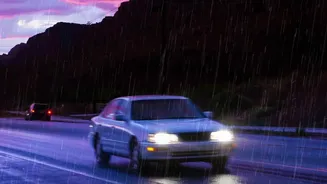
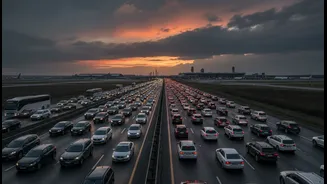
Waterlogging is a primary disruptor, turning major roads and local lanes into obstacle courses. This chaos directly impacts the availability of autos, taxis, and ride-hailing services. Drivers are often reluctant to navigate flooded areas or may refuse shorter fares, while app-based services frequently implement surge pricing. To counter this, plan to leave for the station significantly earlier than you normally would. Have multiple transport options in mind. Check local traffic updates before you leave and identify alternative routes. For many, the nearest bus stop or metro station might be a more reliable starting point than waiting for a cab that may never arrive.
Mastering the Station Interchange
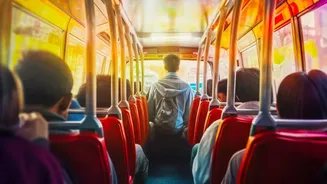
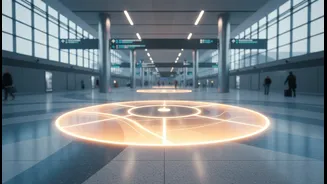
Large, busy interchange stations become even more chaotic during a downpour. Slippery platforms, dense crowds, and last-minute platform changes can make transfers stressful and hazardous. The key is to minimise rush and stay informed. When booking, try to choose routes with fewer or less complex interchanges if possible. If a change is unavoidable, familiarise yourself with the station layout in advance. Keep your luggage light and manageable. Most importantly, wear footwear with a good grip to navigate wet surfaces safely. Avoid standing near the edge of platforms and be mindful of sudden train movements, as visibility can be poor.
Securing Your Last-Mile Connection
Arriving at your destination station is often just another beginning. The final leg of your journey, known as last-mile connectivity, is notoriously difficult during the monsoon. Just as when you were leaving home, finding local transport can be a major hurdle. Instead of relying solely on hailing an auto or cab upon arrival, research your options beforehand. Many cities have integrated transport apps like Chalo, Tummoc, or city-specific services like Mumbai's Mumbai One app, which provide information on local bus routes from major railway stations. Knowing the number and route of a bus that gets you close to your final destination can be a lifesaver when no other transport is available.
Using Digital Tools for Real-Time Updates
Technology is your best ally against monsoon uncertainty. Before and during your trip, use official apps and websites for real-time information. For trains, the National Train Enquiry System (NTES) and apps like RailOne provide live train status and delay information. For local transport, apps like Mappls and various city-specific metro and bus apps offer route planning and sometimes even live tracking. Follow the official social media accounts of railway zones and local transport authorities, as they often post immediate updates about disruptions, cancellations, and route changes.
Packing Smart for the Entire Journey
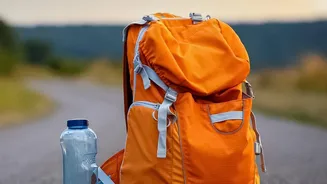
Your packing list should cater to the entire transit experience. A lightweight poncho or raincoat is often more practical than an umbrella in crowded spaces. Use a waterproof backpack or a rain cover to protect your belongings, and keep electronics, documents, and wallets in separate zip-lock pouches for an extra layer of security. A fully charged power bank is a non-negotiable essential for dealing with unexpected delays. Finally, if you have space, packing a spare pair of socks or even a change of clothes can make a huge difference in comfort if you get caught in a downpour.